
OJK Drafting Regulation to Ease Funding Access for MSMEs with Bad Credit History
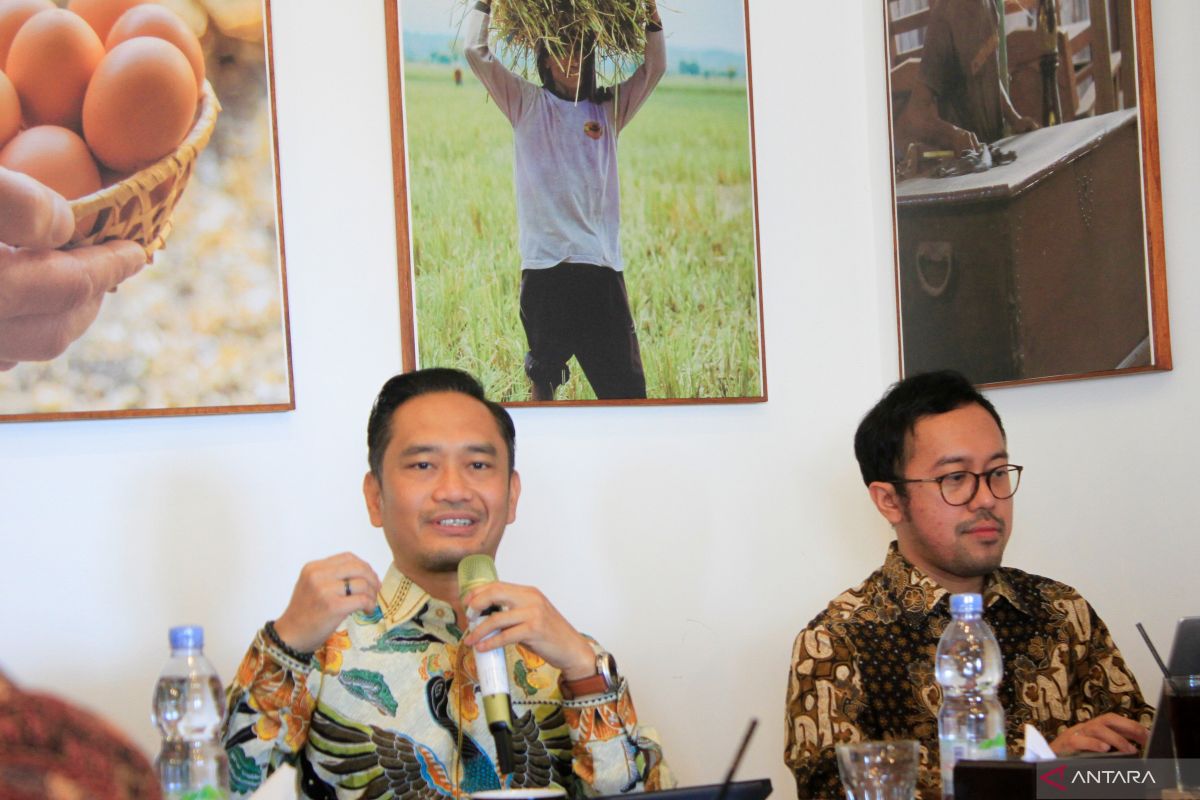
The Financial Services Authority (OJK) is drafting a regulation to ease access to funding for micro, small, and medium enterprises (MSMEs) that are currently hindered by bad credit histories recorded in the Financial Information Service System (SLIK).
Aris Budiman, Head of the OJK Jember office, stated that the regulation is expected to be completed by the end of June. It will provide leniency for MSME entrepreneurs who have problematic credit records, particularly those with failed payments below IDR 1 million, by ensuring such records do not automatically appear as a barrier when applying for new financing from banks or other financial institutions.
“We have been discussing this relief for the past two months,” Aris said during a Media Communication Forum in Situbondo, East Java. He noted that credit growth for MSMEs has been limited because many are blocked by their history in the SLIK, formerly known as the BI Checking system.
Aris emphasised that while the regulation will provide a fresh start for affected MSMEs, borrowers must still act responsibly. “This is not a licence for moral hazard. We hope those with poor track records will improve and settle their outstanding obligations if they have the capacity to do so,” he explained.
Under the planned rule, small default histories will not be counted as an initial criterion when MSMEs apply for credit. Aris also urged entrepreneurs with clean records to maintain them, as a history of bad credit will remain a significant obstacle to future funding.
He highlighted the Vorsa UMKM programme, a local government initiative in Situbondo that offers business vouchers, training, and zero-interest loans. Despite its potential, out of more than a thousand MSME applicants, only a few successfully secured funding due to SLIK-related issues.
“The programme is excellent in principle, but many applications are hindered by SLIK records,” Aris said. He reaffirmed the OJK’s commitment to broadening access to finance for MSMEs, while stressing the importance of responsible loan management to grow businesses and improve welfare.