
OJK and BI Strengthen Collaboration for Regional Economic Development
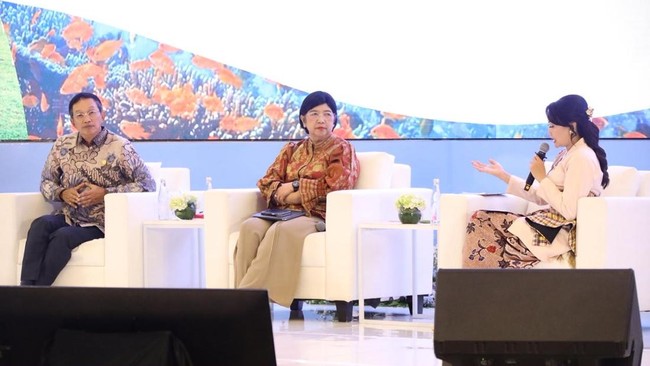
JAKARTA, CNBC Indonesia — The Financial Services Authority (OJK) and Bank Indonesia are strengthening collaboration to drive regional economic development through enhancing an inclusive, digital, and sustainable financial ecosystem, particularly in supporting micro, small and medium enterprises (MSMEs) across Indonesia. OJK Vice-Chair Hernawan B. Sasongko stated that the OJK not only oversees the financial services sector but also actively contributes to tangible economic growth in regional communities. “Regional OJK offices must do more than ensure a healthy and stable financial services industry; they must also make tangible contributions to regional economic growth and public welfare,” Hernawan said on Tuesday, 26 May 2026. Hernawan explained that the OJK currently has 39 regional offices acting as drivers of regional economic ecosystem development, engaging all stakeholders including local governments, the financial services industry, businesses, and media. He added that regional economic development requires cross-sector synergy and collaboration to create a sustainable ecosystem that is not dependent on changes in local leadership or institutions. To bolster MSMEs, the OJK is also pushing for expanded financing access across various financial services sectors, not just banking, but also alternative funding schemes such as securities crowdfunding, credit guarantee institutions, and insurance. “The OJK is directing various financial institutions to collectively support regional development, including helping MSMEs become more bankable and gain wider access to financing,” Hernawan said. Additionally, the OJK, Bank Indonesia, and the Regional Financial Access Acceleration Team (TPAKD) are enhancing financial literacy and inclusion through various MSME mentoring and development programmes across regions. Senior Deputy Governor of Bank Indonesia Destry Damayanti stated that Bank Indonesia supports regional economic growth through macroprudential policies and payment systems that enhance financial access for MSMEs and the public. Destry explained that Bank Indonesia has provided liquidity incentives to banks channeling credit to priority sectors such as agriculture, downstreaming, housing, and MSMEs. The total liquidity incentives returned to banks amount to approximately Rp424.7 trillion to strengthen credit allocation to productive sectors. Furthermore, Bank Indonesia continues to promote payment system digitalisation through the development of the Quick Response Code Indonesian Standard (QRIS), now used by millions of merchants, mostly MSMEs. This digitalisation is seen to open up financial access and build digital transaction records for MSMEs, improving their creditworthiness. “Through digitalisation and strengthened financial access, MSMEs are expected to grow further, become more competitive, and penetrate national and global markets,” Destry said. Destry also stressed that Bank Indonesia, alongside the OJK and local governments, continues to strengthen MSME mentoring programmes through capacity building, business matching, and entrepreneurship development in various regions according to their unique strengths. The OJK believes regional economic development must be supported by productive local fund management that drives the real sector. Therefore, it is promoting optimal regional financing allocation through enhanced risk mitigation, financial industry collaboration, and improved MSME mentoring to better prepare them for financing access. Going forward, the OJK and Bank Indonesia will continue to strengthen collaboration with all stakeholders to create an inclusive, competitive, and sustainable regional economic ecosystem to support national economic growth.