
Oil Traffic in Strait of Hormuz May Not Fully Recover
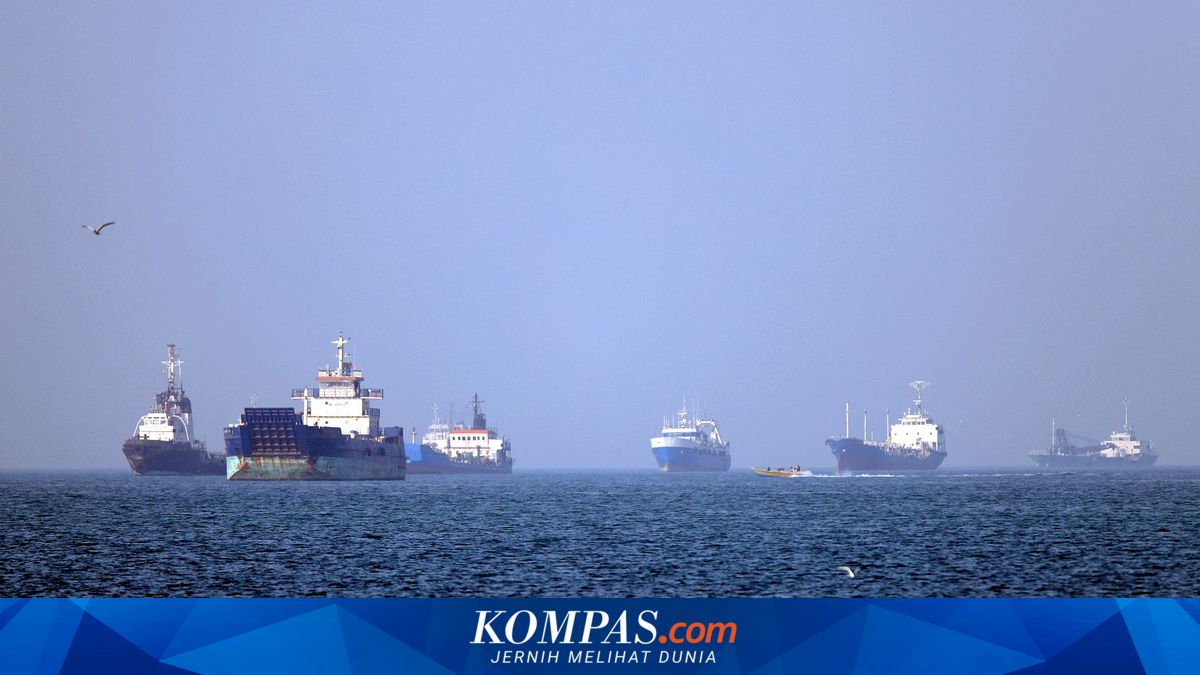
Global oil trade is expected to face a new reality even if the Iran-US conflict ends completely. Oil exports through the Strait of Hormuz are forecast not to return to pre-conflict normal levels. Citing CNBC on Sunday (31 May 2026), ship owners must now consider the risk of sudden conflict resurfacing in the Persian Gulf, a region highly prone to geopolitical tensions. The situation grows more complex if vessels must coordinate with Iran’s Revolutionary Guard, potentially leading to violations of US sanctions. This scenario carries unpredictable consequences given the Strait of Hormuz’s critical role in global energy markets. Before the conflict, oil exports enjoyed unimpeded navigation. Iran’s blockade of the Strait of Hormuz triggered the largest oil supply disruption in history, heightening pressure on the US to reach a peace deal as global economic threats mounted. Tehran is reportedly seeking to leverage its position to strengthen control over the Strait in any post-conflict resolution. Several Middle Eastern leaders believe Iran has already taken control of the Strait. According to Hochstein, regardless of negotiation outcomes, Iran will maintain long-term control over the Strait of Hormuz. ‘Whatever happens, Iran will control the Strait of Hormuz for the foreseeable future,’ Hochstein said. ‘It doesn’t matter what the deal entails; all regional parties believe this is inevitable,’ he added.
Source: jawawa.id (https://jawawa.id/newsitem/oil-traffic-in-strait-of-hormuz-may-not-fully-recover-1780291499)
Originally published by Kompas (https://money.kompas.com/read/2026/05/31/090000726/lalu-lintas-minyak-di-selat-hormuz-berpotensi-sulit-pulih-sepenuhnya?utm_source=ABC&utm_medium=rss), translated from Indonesian