
Oil-Rich Russia Faces Sudden Fuel Crisis as Supply Chain Falters
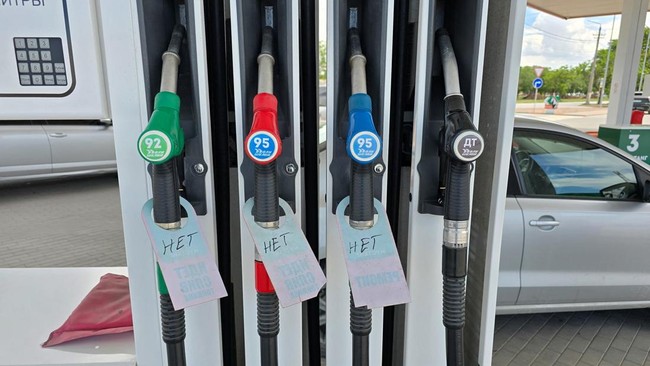
Fuel shortages are increasingly strangling Russia, forcing the largest petrol station networks in the capital Moscow to tighten sales of petrol en masse. This emergency measure was taken after domestic energy supplies were reported to be continuously declining, triggering public panic.
Citing UNN reports referencing local Russian media, these fuel volume restrictions have now been officially implemented by several of the country’s largest state-owned and private energy giants. Beyond the Moscow region, the strict rationing has reportedly spread to the second-largest city, Saint Petersburg, and the Republic of Tatarstan.
The rationing policies at the pump vary depending on the internal regulations of each oil and gas company. The Tatneft station network has imposed the strictest rules, limiting purchases of AI-92 and AI-95 petrol to a maximum of just 20 litres, and diesel fuel to a maximum of 40 litres per vehicle. Meanwhile, the giant oil company Rosneft has set a limit of up to 90 litres per tank or jerry can. On the other hand, the Lukoil network is restricting purchases to no more than 100 litres of petrol or diesel per single transaction receipt at their cashiers.
“Tatneft petrol stations in Saint Petersburg have imposed fuel sales restrictions: up to 20 litres of petrol and 40 litres of diesel per person. Previously, a 50-litre limit was reported at other stations,” one local media report stated regarding the panic situation on the ground.
Despite growing queues of vehicles in various regions, the Saint Petersburg Energy Committee released an official statement claiming there are currently no prerequisites that could trigger a shortage of fuel resources in their territory. Local authorities stated that national stock levels remain at a safe level to meet daily public needs.
These volume restriction measures have also begun to be adopted by several petrol stations in the Republic of Tatarstan. Authorities emphasised that the fuel tank rationing was deliberately implemented as a preventive measure to maintain energy security stability and prevent mass panic in the domestic market. “This step is taken to avoid an artificial hype in demand and to ensure a stable situation among the public,” stated a press representative from the office of the head of the Republic of Tatarstan regarding the motive behind the tightened rules.
This fuel supply crisis has proven to be not merely a local problem in western Russia, but has expanded into a systemic national issue. The chain of petrol shortages has reportedly moved massively, penetrating the cold hinterlands of Siberia and reaching the far eastern extremities of Russia. Civilian residents in the Khabarovsk Krai region have begun lodging strong protests with the central government due to frequent disruptions and delays in fuel supplies to local petrol stations in recent weeks. This situation has severely hampered logistics vehicle operations and local economic activity due to the lack of guaranteed fuel availability in the local market.