
Oil-Rich Libya Plunged into Darkness and Fuel Shortages Amid Corruption and Mismanagement
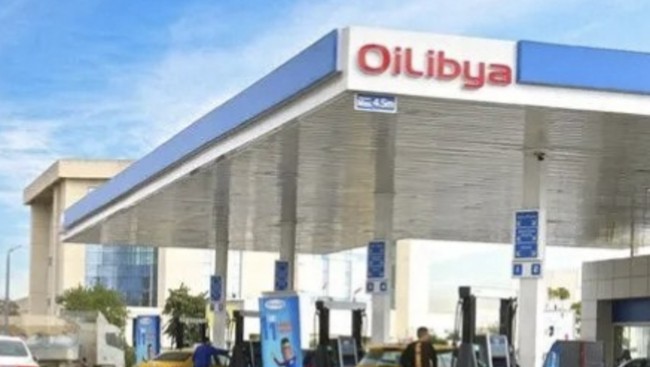
A prolonged electricity blackout crisis and severe fuel shortages have paralysed daily life in Libya. The country is gripped by political deadlock, conflict, and rampant corruption, despite holding the largest proven oil reserves on the African continent.
Citing Arab News on Friday (28/8/2026), the worst crisis in recent years has gripped Libyan citizens amid the peak of summer heat. Experts and United Nations (UN) officials assert that the root of the energy crisis lies in corruption, weak governance, and years of neglected power plant maintenance.
Libya actually possesses around 48 billion barrels of proven oil reserves and is capable of producing about 1.5 million barrels per day, with a target of increasing output to 2 million barrels per day. Ironically, the country only produces one-third of its total domestic fuel needs, forcing it to import fuel worth US$7.8 billion (Rp 138.06 trillion) last year.
Air temperatures approaching 50 degrees Celsius in some parts of the country have made it difficult for residents to cool their homes and keep businesses running. Grocery shop owner Slimane Fitouri in Tripoli complained that two refrigerators and dairy products were ruined due to the lack of electricity.
“I don’t know how long I can hold on,” he said. “It is very expensive and multiplies the losses,” he added, noting that he was forced to run a generator whose price has soared due to surging demand and which also requires a great deal of fuel.
Health ministry worker Abderrahmane Souissi also highlighted the issue. Generator prices, he said, are unreasonable amid the fuel scarcity.
“The prices are very high and the fuel to operate them is not available. It leaves you bewildered when you live in a resource-rich country,” he explained.
“I have four children, and my wife forced me to buy a generator because they cannot sleep due to the heat and high humidity. Our entire stock of frozen food rotted,” he revealed.
Meanwhile, long queues of vehicles have been seen snaking around various petrol stations across western and central Libya. One motorist, Abdeslam Zarti, described the suffering of residents forced to wait in petrol queues.
“Six hours or more, with cars lined up in front of the station for distances that sometimes reach four kilometres,” he said.
International relations researcher Bechir Jouini assessed that the crisis is further complicated by the smuggling of oil abroad and the failure to implement power plant maintenance programmes. He explicitly blamed mismanagement and budget corruption in the energy sector.
“Libya has the resources and the funds, but suffers from poor governance and rampant corruption… despite large budget allocations for the electricity company,” he stressed.
UN envoy to Libya Hanna Tetteh also linked the energy crisis to broader institutional failure. She argued that the widespread blackouts have exposed the consequences of institutional fragmentation, large-scale diversion of public resources, and a lack of investment.
“The contradiction is that this is happening in a country that does not lack energy resources and has the largest oil deposits on the African continent,” she concluded.
Libya’s energy security situation has worsened further after a major reservoir containing about 4.5 million litres of petrol was targeted by several drone attacks in Zawiya earlier this month. The area, located 45 kilometres west of Tripoli, has for years been a hotbed of armed conflict between groups, as well as a hub for fuel, drug, and migrant smuggling.
Source: jawawa.id (https://jawawa.id/newsitem/oil-rich-libya-plunged-into-darkness-and-fuel-shortages-amid-corruption-and-mismanagement-1787932292)
Originally published by CNBC Indonesia (https://www.cnbcindonesia.com/news/20260828162225-4-763192/negara-raja-minyak-krisis-negara-gelap-gulita-bensin-tak-ada), translated from Indonesian