
Oil Prices Touch US$91 as US-Iran War Threat Returns
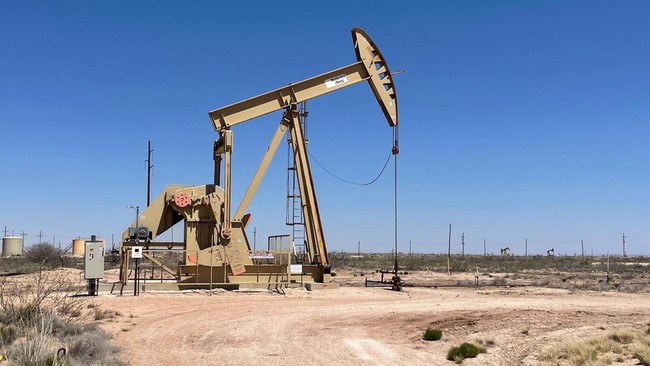
Global oil prices strengthened again in early trading on Tuesday (18/8/2026) WIB. Based on Refinitiv data as of 09.50 WIB, Brent crude stood at US$91.21 per barrel, up 0.37% from the previous close. West Texas Intermediate (WTI) crude was trading at US$84.99 per barrel, up 0.58%.
The increase extends a rally in oil prices over recent days. Brent has strengthened from US$82.49 per barrel on 6 August to US$91.21 per barrel on 18 August. Over the same period, WTI rose from US$77.29 to US$84.99 per barrel. This means Brent has surged around 10.6% in less than a fortnight, while WTI has gained almost 10%.
The rise in oil prices continues to be driven by an elevated geopolitical risk premium. Reuters reported that the market is refocusing on potential global supply disruptions after a 60-day ceasefire between the United States and Iran expired. Tehran has said it will shift to a fully offensive military posture, while US President Donald Trump has stressed he has no interest in extending the truce.
The change in the situation has led market participants to factor the risk of disruption to oil production and distribution from the Middle East back into price calculations. The region plays a crucial role in global oil supply, so any increase in tension is usually quickly reflected in futures prices.
Reuters reported that oil prices jumped by more than US$2 on Monday as investor attention returned to global supply concerns. In early Asian trading on Tuesday, Brent contracts were still holding around US$91 per barrel, indicating that the market has not yet shed the risk premium that has built up.
The rise in oil prices has coincided with a shift in sentiment in global financial markets. The yield on 10-year US government bonds rose to 4.728%, while the 30-year yield touched 5.3146%, its highest level in more than two decades. At the same time, Wall Street stock indices weakened after US retail sales data unexpectedly fell, triggering a reassessment of expectations regarding the Federal Reserve’s interest rate policy.
These conditions have led market participants to reduce exposure to risky assets. According to Reuters, Westpac analysts assessed that the market has entered a risk-off mode after President Trump reaffirmed his stance on Iran. Rising tensions in the Middle East have lifted oil prices while weighing on sentiment in global financial markets.