
Oil Prices Surge 10% in Two Days as Strait of Hormuz Returns to Focus
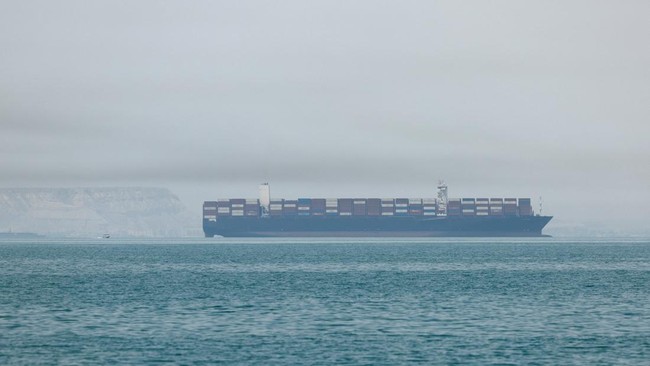
Global oil prices surged again on Tuesday morning, extending a sharp rally that began earlier in the week. Based on Refinitiv data, Brent crude stood at US$84.19 per barrel, up 1.07%, while West Texas Intermediate (WTI) strengthened 1.55% to US$79.35 per barrel.
The increase follows Monday’s spike. Brent has rocketed from US$76.01 per barrel on 10 July to US$84.19 per barrel this morning, a jump of approximately 10.8% in just two trading days. WTI surged around 11.1% over the same period, pushing oil prices to their highest level in about a month.
The market is rebuilding a risk premium after conflict between the United States and Iran escalated sharply in the Strait of Hormuz region, a vital artery for global oil distribution. The United States has reimposed a blockade on Iranian shipping, with President Donald Trump stating Washington has reactivated the blockade and is asking countries benefiting from protection in the Strait to share the costs.
Iran has increased its military response. The UAE Ministry of Defence reported that two of its tankers were struck by Iranian cruise missiles in the southern lane of the Strait of Hormuz in Omani waters. The attack killed one Indian crew member and injured eight others. Tensions are not confined to the sea. US Central Command stated it has entered a third consecutive night of strikes on Iran, while semi-official news agency YJC reported at least seven explosions in the port city of Bandar Abbas and two more on Kish Island.
Tim Waterer, Chief Market Analyst at KCM Trade, said the latest escalation has added a risk premium to energy markets. He noted that the US blockade and Tehran’s military response make the oil supply outlook far more unpredictable, even though the Strait has not been fully closed. Geopolitical risk widened further after Yemen’s Houthi group launched missiles at Saudi Arabia, accusing Riyadh of bombing an airport under their control. Simon Wong, portfolio manager at Gabelli Funds, warned that if Houthi attacks disrupt Saudi oil product distribution via the Red Sea, uncertainty over Middle East supply flows will intensify.
Beyond geopolitics, the market is also anticipating a tightening of supply in the United States. A preliminary Reuters survey estimates US crude stockpiles fell last week, while petrol and distillate inventories are expected to have risen. Official data from the Energy Information Administration will be closely watched in the coming days for a clearer picture of the supply-demand balance in the world’s largest economy.