
Oil Prices Rebound, Hormuz Threat Remains
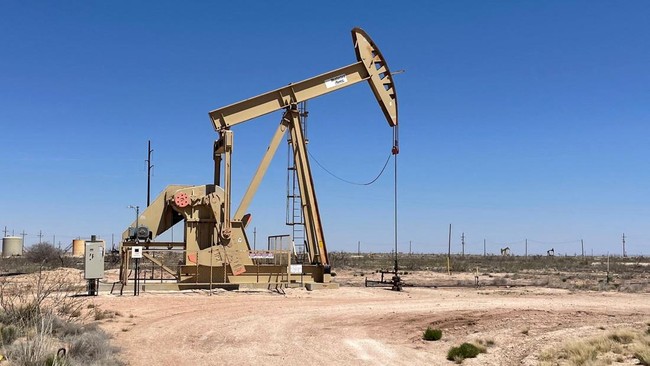
Oil prices recovered slightly on Tuesday morning after plunging in the previous session, as the market reassessed the prospects for an end to the US-Iran conflict and the ongoing threat to energy shipments from the Middle East. Brent crude rose 0.53% to US$84.21 per barrel, while West Texas Intermediate (WTI) gained 0.56% to US$80.79 per barrel, according to Refinitiv data. The modest rebound followed Monday’s sharp decline, when Brent slumped more than 7% and WTI fell over 5%, pushing both benchmarks to multi-week lows.
The sell-off was triggered after US President Donald Trump indicated he would postpone new strikes against Iran and opened the door to negotiations aimed at ending the war and resolving disputes over the Strait of Hormuz. The waterway is a critical artery for global energy trade, with roughly one-fifth of the world’s daily oil consumption passing through it. However, optimism was quickly dampened after Iranian Foreign Ministry spokesman Esmail Baghaei stated that no negotiations with the US were taking place and no meetings had been scheduled.
Analysts warned that the oil price weakness remains fragile. Tim Waterer of KCM Trade noted that if the conflict escalates again or vessels near the Strait of Hormuz come under renewed attack, prices could spike once more. Barclays data showed energy export activity through the strait beginning to recover, with net exports of crude and refined products averaging 4.2 million barrels per day in the week ending 31 July, up from 3.2 million barrels per day the previous week.
Nevertheless, shipping risks persist. Tracking data revealed six Saudi-flagged supertankers altered course in the Gulf of Aden to sail around southern Africa, while two other tankers continued through the Bab el-Mandeb strait carrying Saudi crude. Traffic in the Strait of Hormuz also remained slow following reports of attacks on vessels. The United Kingdom Maritime Trade Operations (UKMTO) received a report of a cargo ship struck by an unknown projectile approximately 20 nautical miles northeast of Al Khasab, Oman. The security situation has kept insurance costs elevated and forced some ships to take longer routes. As long as the two critical chokepoints for global energy trade remain under threat, the geopolitical risk premium in oil markets is expected to persist.
Source: jawawa.id (https://jawawa.id/newsitem/oil-prices-rebound-hormuz-threat-remains-1785811882)
Originally published by CNBC Indonesia (https://www.cnbcindonesia.com/market/20260804084846-17-756281/harga-minyak-bangkit-ancaman-hormuz-belum-hilang), translated from Indonesian