
Oil Prices Plunge 4% After Trump Announces US-Iran Peace Deal
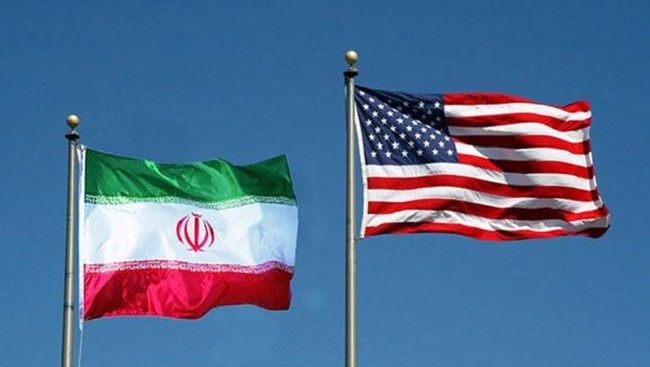
Global oil prices slumped at the start of trading this week after the United States and Iran were reported to have reached a peace agreement, paving the way for the normalisation of energy traffic through the Strait of Hormuz. The sentiment immediately erased a portion of the geopolitical risk premium that had propped up oil prices at elevated levels over recent weeks.
Based on Refinitiv data as of Monday (15/6/2026) at 08.00 WIB, Brent crude oil stood at US$83.92 per barrel, plunging 3.91% compared to Friday’s close of US$87.33 per barrel. Meanwhile, West Texas Intermediate (WTI) crude fell even deeper, dropping 4.58% to US$80.99 per barrel from US$84.88 per barrel previously.
This decline extends a sharp correction that has been underway since early June. Brent, which had traded at US$97.81 per barrel on 3 June, has now lost nearly 14% of its value. WTI has corrected more than 15% from its peak of US$96.02 per barrel recorded in the same period.
Reuters reported that Pakistani Prime Minister Shehbaz Sharif announced an agreement had been reached between Washington and Tehran. President Donald Trump also stated that the deal includes the reopening of the Strait of Hormuz, the shipping lane that serves as the artery of global energy trade.
The market has long viewed the Strait of Hormuz as a primary source of concern. Approximately one-fifth of the world’s oil trade passes through this narrow channel. The threat of supply disruptions from the Gulf region had caused energy prices to spike sharply throughout the conflict. As that risk begins to subside, investors are swiftly reducing speculative positions previously built to anticipate potential supply shocks.
Nevertheless, the details of the agreement remain unclear. Iran stated that traffic arrangements in the Strait of Hormuz would be managed jointly with Oman. This statement raises new questions regarding shipping mechanisms and potential additional costs that might be imposed on vessels transiting the area.
ITC Markets foreign exchange analyst Sean Callow assessed that the lack of detail regarding freedom of navigation still leaves some uncertainty. However, the market is currently more focused on improving global risk appetite and the prospect of lower energy prices in the medium term.
The drop in oil prices immediately altered investor expectations regarding the policy direction of the world’s central banks. Over the past several months, the energy surge had been one of the factors feared to trigger new inflationary pressures. As oil prices fall sharply, that threat is also easing.
The impact is visible in the United States bond market. The yield on two-year government bonds fell to 4.02%, while market participants reduced bets on the likelihood of further interest rate hikes this year. Major central banks, from the Federal Reserve, Bank of England, and Bank of Japan to the Reserve Bank of Australia, are scheduled to hold policy meetings this week.
For energy-importing nations, the oil price correction is welcome news. Japan, which is heavily reliant on energy imports, recorded a stock market rally of up to 3%, while South Korea’s stock index surged more than 4%. Investors view lower energy costs as potentially improving economic growth prospects while simultaneously easing price pressures.
Although oil prices have slumped, current levels remain far higher than conditions before the conflict erupted. WTI is still hovering around US$81 per barrel, higher than the roughly US$67 per barrel before the war began. This means a portion of the geopolitical risk premium still lingers in the market.
Commonwealth Bank of Australia (CBA) estimates Brent could decline towards US$80 per barrel by year-end if the Strait of Hormuz remains open and oil exports from the Gulf region return to normal. However, this projection remains clouded by uncertainty regarding the condition of production facilities and refineries affected by the earlier conflict.
If attention was focused on the threat of supply disruptions a few weeks ago, this week investors are beginning to calculate how quickly global oil flows can return to normal. As long as there are no new surprises from the Middle East region, downward pressure on oil prices could potentially continue.
Source: jawawa.id (https://jawawa.id/newsitem/oil-prices-plunge-4-after-trump-announces-us-iran-peace-deal-1781488264)
Originally published by CNBC Indonesia (https://www.cnbcindonesia.com/market/20260615080918-17-742776/harga-minyak-anjlok-4-usai-trump-umumkan-kesepakatan-damai-as-iran), translated from Indonesian