
Oil Prices Explode, Energy Giants Pour Funds into Expansion
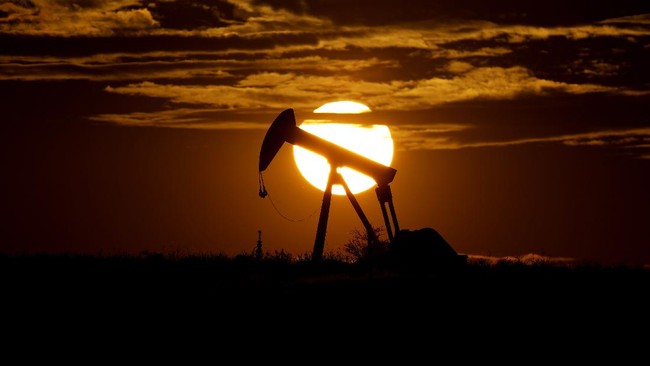
Oil prices have surged once again amidst the intensifying conflict involving Iran. This price spike is simultaneously boosting investment within the sector.
Initially, 2026 was expected to be a bleak period for global oil companies. An abundance of global supply had even raised concerns regarding a massive super-glut. Brent crude prices were previously projected to fall below US$60 per barrel, after averaging around US$68 per barrel in 202cap 2025 and US$80 per barrel in 2024.
However, the escalation of war in the Gulf region has reversed these projections. Disruptions to production and oil shipping routes have pushed prices into triple digits. Some analysts now estimate that average Brent prices could reach US$85 per barrel or more throughout 2026. Prices could even breach US$120 per barrel if attacks on vessels in the Strait of Hormuz continue.
Pressure on supply has also intensified after Saudi Arabia closed the East-West pipeline—a key alternative route for oil delivery—on 11 September following drone attacks. Brent oil prices during trading on Monday (14/9/2026) at 17:11 WIB jumped 2.6% to US$107.4 per barrel, while WTI prices soared 2.7% to US$102.7 per barrel. Current oil prices are at their highest level since 15 May 2026.
This continuous surge in oil prices is causing global anxiety, with global stock markets collapsing last week. While the world feels the squeeze of rising oil prices, the industry itself is experiencing a windfall. The price surge has become a major blessing for the global oil and gas industry.
Since the beginning of the year, global oil and gas stocks have risen by an aggregate of approximately 40%. This figure far exceeds the 12% rise seen in the overall stock market. The financial performance of major oil companies has also surged. The combined profits of the seven largest integrated oil companies in the West and Saudi Aramco reached US$91 billion in Q2-2026, doubling compared to the same period the previous year.
However, experiences in the mid-2010s have made the industry more cautious regarding expansion. While capital expenditure (capex) did increase after the Russian invasion of Ukraine pushed oil prices above US$120 per barrel, cash flows grew even faster, and most surpluses were used to reduce debt and provide returns to shareholders. Part of the capex increase at that time also reflected inflation in drilling and support service costs rather than a surge in production activity.
This time, with cash reserves accumulating again due to the Gulf war, oil companies may not be able to maintain a conservative stance. This situation could pave the way for a wave of exploration and acquisitions that could shape the industry’s direction until the end of the decade.
So far, oil companies are still using much of their additional profits to strengthen balance sheets, provide shareholder returns, and slightly increase production from existing assets. Following the invasion of Ukraine, companies used most of their extra cash flow to repair their balance sheets. However, about 18 months before the Gulf war, when oil prices weakened again, companies began increasing debt to maintain investor payments and finance planned capital expenditure.
Now, the situation has reversed. In Q2-2026, five major oil companies—ExxonMobil, Chevron, Shell, BP, and TotalEnergies—cut their combined net debt by US$36 billion, or nearly 20%. Smaller companies have been even more aggressive in cutting debt, as they generally carry higher leverage.
Prior to the outbreak of war with Iran, investors were bracing for a difficult period. Major oil companies had even announced a combined decrease of approximately 11% in shareholder distributions, primarily through the suspension of share buyback programmes. The surge in oil prices has since changed the situation. Almost all major oil companies, except for BP, have maintained or increased dividends and buybacks. Smaller companies have also begun offering not only special dividends but regular payments.
Nevertheless, after debt repayment and investor distributions, the funds remaining for expansion are still limited. The aggregate cash position of major oil companies remained almost unchanged between Q4-2025 and Q2-2026, while executives emphasised that most of the extra profits in 2026 will continue to be returned to shareholders. An exception is seen in Diamondback Energy, as well as large private companies such as Continental Resources and Hilcorp Energy, which have begun financing short-term projects, such as completing existing wells in the US shale region.
As oil reserves dwindle, oil giants are rethinking their strategies. Sustained high oil prices are beginning to alter the calculations of energy companies. If these price levels persist, new projects will become more economically viable, while the need to replenish reserves becomes increasingly urgent. This is because production from ageing oil fields continues to decline. Wood Mackenzie estimates that global oil and gas production could decrease by up to 31 million barrels per day by 2040, nearly one-fifth of current production. Approximately 70 companies even face the risk of losing half of their production.
This condition is forcing oil companies to update their asset portfolios. The surge in oil prices now provides them with the cash flow and stronger balance sheets needed to begin moving. One pathway is exploration. Although budgets have not yet surged significantly, major companies are beginning to secure vast exploration areas and are utilising AI to search for new opportunities.