
Oil Prices Edge Up as Market Awaits Certainty on US-Iran Peace Deal
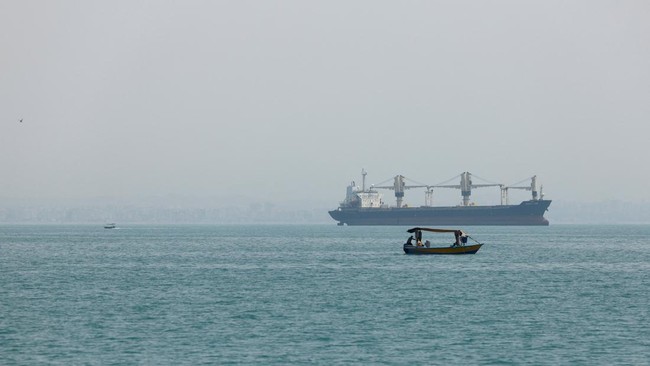
Jakarta, CNBC Indonesia - Global oil prices edged higher during early trading on Wednesday (17/6/2026), following two days of heavy selling pressure. Market participants are still attempting to gauge whether a peace deal between the United States and Iran will hold, and when oil flows through the Strait of Hormuz can return to normal.
According to Refinitiv data at 08:20 Western Indonesia Time, Brent crude stood at US$79.23 per barrel, a slight increase from the previous close of US$78.96 per barrel. West Texas Intermediate (WTI) crude was at US$76.27 per barrel, up from US$76.05 per barrel the day before.
Despite the morning uptick, the weekly trend remains under severe pressure. Brent has plummeted from US$94.25 per barrel on 8 June to US$79.23 per barrel today, a decline of approximately 15.9%. WTI fell from US$91.30 per barrel to US$76.27 per barrel, a correction of around 16.5%. The sharp drop occurred as markets began to price in the easing of supply disruptions from the Middle East.
The market’s primary focus remains on the Iran conflict and the prospect of the Strait of Hormuz reopening. Reuters reported that oil prices had slumped around 5% over two consecutive sessions after hopes emerged that a deal between Washington and Tehran would restore energy traffic through the world’s most vital shipping chokepoint. The Strait of Hormuz handles roughly one-fifth of global oil trade, meaning any disruption typically triggers a spike in the energy market’s risk premium.
Initial details of the agreement emerged on Tuesday local time. US President Donald Trump stated the deal would ensure Iran does not possess nuclear weapons. A US official also indicated that Iran would be allowed to resume oil sales once the agreement is formally signed. The memorandum of understanding extends a ceasefire first announced in April by an additional 60 days to allow space for negotiations towards a permanent peace.
Under the deal, the United States will lift its blockade of Iranian ports. In return, Tehran will reopen tanker traffic through the Strait of Hormuz, which has been effectively disrupted since US and Israeli strikes in late February. This hope triggered the massive sell-off in oil markets over the past week and into the start of this week.
However, the market is not yet fully convinced that geopolitical risks have ended. Israel has distanced itself from the agreement reached between the US and Iran, raising questions about the deal’s durability. Tensions in the region remain visible following a drone strike by Israel in southern Lebanon that killed at least four people. This situation has prompted some investors to hold back from further selling while awaiting clarity on the implementation of the peace agreement.
On the fundamental side, the market also received support from US inventory data. The American Petroleum Institute (API) reported that US crude oil stockpiles fell by 8.3 million barrels in the week ending 12 June. This figure far exceeded market expectations of a 4.6 million barrel draw. The deeper-than-expected decline in inventories indicates tightening domestic supply, providing a cushion for oil prices.
However, global demand sentiment remains mixed. Recent data showed that China’s crude oil processing rate in May fell 9.1% compared to the same period last year, hitting its lowest level in nearly four years. This signals that refinery activity in the world’s largest oil importer remains sluggish. The slowdown in China’s energy consumption could limit the upside for oil prices, even as geopolitical tensions have not fully subsided.
Source: jawawa.id (https://jawawa.id/newsitem/oil-prices-edge-up-as-market-awaits-certainty-on-us-iran-peace-deal-1781664700)
Originally published by CNBC Indonesia (https://www.cnbcindonesia.com/market/20260617082627-17-743229/harga-minyak-naik-tipis-pasar-masih-tunggu-kepastian-damai-as-iran), translated from Indonesian