
Oil Prices Continue to Slide
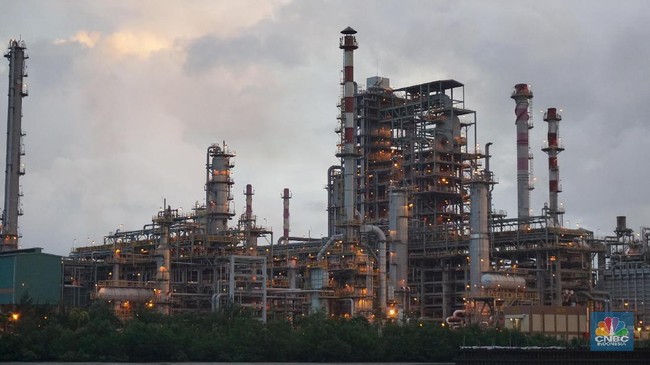
Global oil prices continued to weaken during Thursday’s trading. Based on Refinitiv data as of 09:40 Western Indonesia Time, Brent crude was priced at US$78.28 per barrel, a decline of 1.6% from the previous close of US$79.55 per barrel. West Texas Intermediate (WTI) crude was recorded at US$75.42 per barrel, down 1.8% from the prior day’s US$76.79 per barrel.
Persistent selling pressure in recent days has led to a significant correction. Since 12 June, Brent has fallen more than 10%, while WTI has slumped around 11%. At the start of June, Brent had touched US$97.81 per barrel and WTI reached US$96.02 per barrel. In roughly two weeks, Brent has shed nearly US$20 per barrel, with WTI losing more than US$20.
The decline was triggered by a provisional agreement between the United States and Iran that paves the way for an end to the Iran conflict and the restoration of shipping activity in the Strait of Hormuz. This route is one of the world’s most vital energy corridors, serving as the main conduit for oil and gas exports from the Middle East to global markets. Under the memorandum of understanding agreed by both nations, Iran will permit unimpeded vessel traffic through the Strait of Hormuz during a 60-day negotiation period. The deal also opens the possibility of lifting oil sanctions on Iran, potentially allowing the country’s crude exports to re-enter the international market sooner than previously anticipated.
The market views the resumption of Iranian exports and the normalisation of shipping through the Strait of Hormuz as reducing the risk of global supply disruptions, which had been a key factor driving up prices in recent months. IG analyst Tony Sycamore noted that market participants are now aggressively pricing in the potential return of Iranian barrels to the global market in the near term. The prospect of increased supply is further reinforced by projections from the International Energy Agency (IEA). In its latest monthly report, the IEA warned that the current supply crisis could transform into a substantial surplus by 2027 if Middle Eastern production recovers. The agency estimates that global oil supply could exceed demand by as much as 5.05 million barrels per day next year.
Nevertheless, the market remains cautious about the implementation of the agreement. A day earlier, oil prices had attempted to recover as investors assessed lingering uncertainties regarding the durability of the peace deal and the process of reopening the Strait of Hormuz. Israel has also not fully endorsed the latest agreement between Washington and Tehran, meaning geopolitical risk has not entirely dissipated from the energy market. On the fundamental side, industry data showed that US crude oil inventories fell by 8.3 million barrels in the week ending 12 June, far exceeding expectations of a 4.6 million barrel draw. However, this sentiment failed to lift prices as market attention remained fixed on the potential surge in Middle Eastern supply.
Global oil demand is also facing new headwinds. Recent data indicates that China’s crude processing activity in May fell 9.1% compared to the same period last year, hitting its lowest level in nearly four years. Meanwhile, the US central bank is beginning to consider the possibility of raising interest rates again this year to curb inflation. If monetary policy tightens further, economic activity risks slowing, which could in turn dampen energy consumption.