
Oil Price Surges Past US$100 Again, Stock Markets Jittery
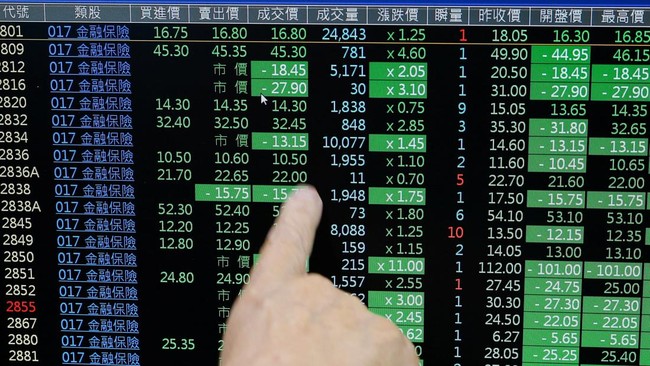
Oil prices have surged past US$100 per barrel for the first time in two months as a fresh escalation in the Middle East conflict threatens to worsen disruptions to global oil supplies. Benchmark crude prices rose sharply on Thursday from US$95 a day earlier, amid concerns that Yemen’s Houthi militia could choke off Saudi oil exports via the Red Sea, while US-Iran tensions over flows through the Strait of Hormuz intensify. The disruption to these two vital oil trading arteries has revived fears that prices could climb to US$120 per barrel, dealing a blow to households and the global economy after years of energy cost inflation.
Stock markets fell on both sides of the Atlantic, reflecting the volatile situation in the Middle East and concerns over an AI stock bubble, which saw the tech-heavy Nasdaq index in New York drop more than 2%. Tesla shares plunged 12% after reporting lower-than-expected earnings amid broader worries about AI spending. The Middle East conflict broadened as Iran-allied Houthis claimed responsibility for attacks on two Saudi oil tankers, the Encelia and Layla, using ballistic missiles, cruise missiles, and drones, causing one vessel to catch fire. The militia accused the tankers of violating a blockade it has imposed in the Red Sea.
This escalation marks a new front in the Gulf oil crisis, nearly five months after an effective blockade of the Strait of Hormuz by Tehran triggered fears of the biggest energy supply disruption in market history. Oil prices had previously spiked following US-Israeli strikes on Iran, with market watchers forecasting prices up to US$150 per barrel as flows through Hormuz stalled. Prices peaked above US$126 in April before falling back below US$100 by late May, eventually hitting US$71 in early July on hopes of a regional ceasefire. However, prices have rebounded after a memorandum of understanding between the US and Iran collapsed and fresh hostilities erupted in the Gulf.
Fatih Birol, head of the International Energy Agency, noted that a “balancing factor” had so far prevented runaway oil prices, but warned there was no room for complacency amid the escalating hostilities. Growing concerns about the economic impact of the conflict caused government borrowing costs for the world’s largest economies to rise, as investors weighed the risk that the oil price surge could reignite global inflationary pressures. Investors sold off US, German, and Japanese government bonds, pushing yields higher. In the UK, the yield on 10-year government bonds rose by about 0.1 percentage points to above 5.1% for the first time since May, amid unease over new Prime Minister Andy Burnham’s tax and spending plans. Chris Beauchamp, chief market analyst at IG, warned that rising government bond yields signal major trouble for developed economies and risk a repeat of the market panic seen in March and April 2025.
Source: jawawa.id (https://jawawa.id/newsitem/oil-price-surges-past-us-100-again-stock-markets-jittery-1784868709)
Originally published by CNBC Indonesia (https://www.cnbcindonesia.com/market/20260724092053-17-753486/harga-minyak-tembus-us-100-lagi-pasar-saham-kembali-cemas), translated from Indonesian