
Oil Palm Farmers Union Urges Government Not to Raise MinyaKita Cooking Oil Prices
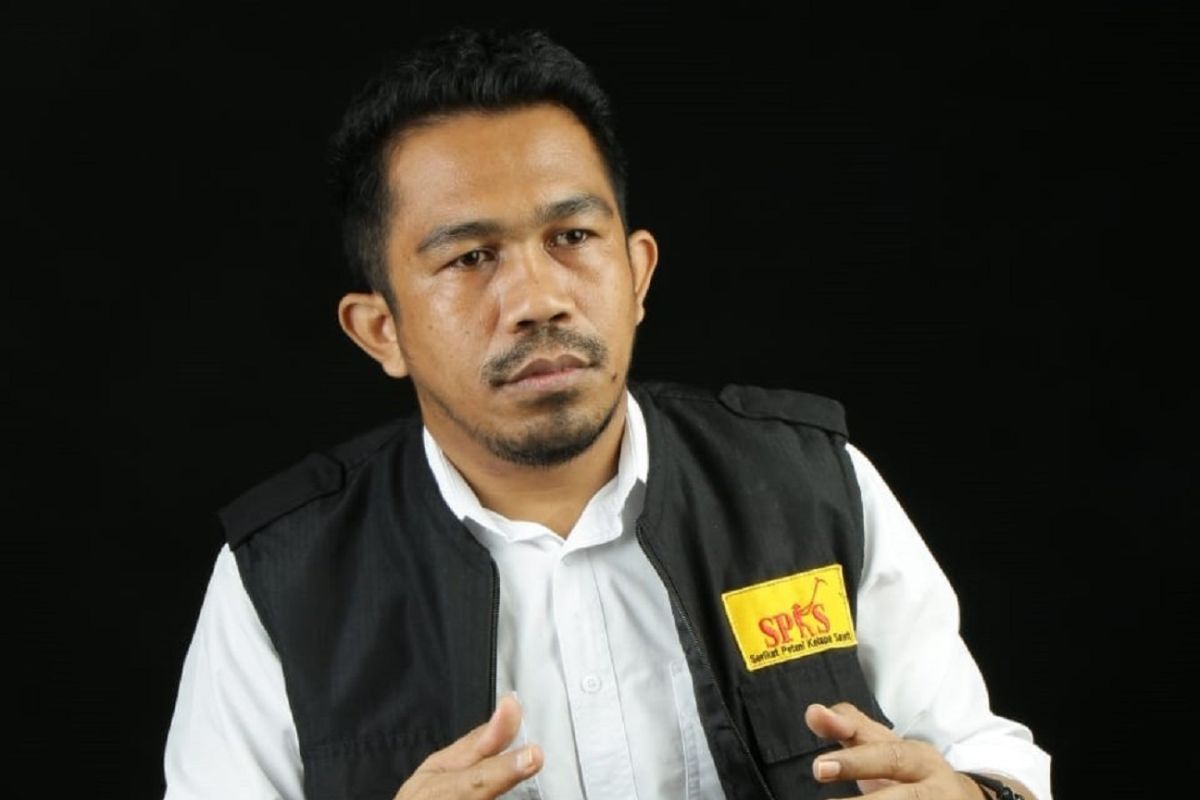
The Indonesian Oil Palm Farmers Union (SPKS) has requested that the government refrain from increasing the maximum retail price (HET) of MinyaKita, the state-subsidised cooking oil, as such a move would further burden the Indonesian people, including palm oil farmers who are already facing economic hardships.
Sabarudin, General Chairman of SPKS, stated in Jakarta on Saturday that the challenges currently faced by the community, including palm oil farmers, include the rising cost of food and fertilisers. “Due to the excessive burden placed on palm oil farmers, the lives of independent farmers are becoming increasingly difficult, much like the majority of the Indonesian people,” he said.
He also noted that the sale price of palm oil harvests is still subject to export duties (BK) and export levies (PE) managed by the Palm Oil Fund Management Agency (BPDPKS), which reduces farmers’ income. According to him, the existence of export duties and levies since 2015 has not benefited the Indonesian people, particularly palm oil farmers, because the management of export levy funds is primarily used to subsidise biodiesel prices and benefits large palm oil companies.
Therefore, he urged that the selling price of MinyaKita, which is intended for underprivileged communities, must not undergo an increase. To address potential price hikes caused by rising global Crude Palm Oil (CPO) prices, SPKS proposed that the price difference be supported by the export levy funds managed by BPDPKS.
Sabarudin continued, noting that the management of the palm oil trade is already highly complex, involving various obligations such as the Domestic Market Obligation (DMO) and Public Service Obligation (PSO). He emphasised that DMO and PSO regulations must be transparent so that the volume of MinyaKita required by disadvantaged communities can be widely known. “If DMO and PSO data are transparent, the funds needed to support MinyaKita prices to prevent increases could be sourced from the export levy funds managed by BPDPKS, rather than being enjoyed solely by a few large companies,” he added.
Previously, the Minister of Trade, Budi Santoso, stated that the government would consider raising the maximum retail price (HET) for MinyaKita within the next two weeks. Budi explained that the decision to raise the HET is being considered based on the price developments of Crude Palm Oil (CPO), which has recently experienced increases. Furthermore, the Ministry of Trade is also monitoring the price of Fresh Fruit Bunches (TBS), which had recently declined. He noted that a new HET can only be established once CPO and TBS prices have stabilised.
The Minister of Trade aims to finalise the new HET for MinyaKita within one to two weeks. Currently, the HET for MinyaKita is set at Rp15,700 per litre. Any upcoming adjustments to the HET are driven purely by the rising cost of CPO raw materials and production costs, which affect the economic viability of the people’s cooking oil product.