
Oil Palm Farmer Regeneration Depends on Human Resource Quality Improvement
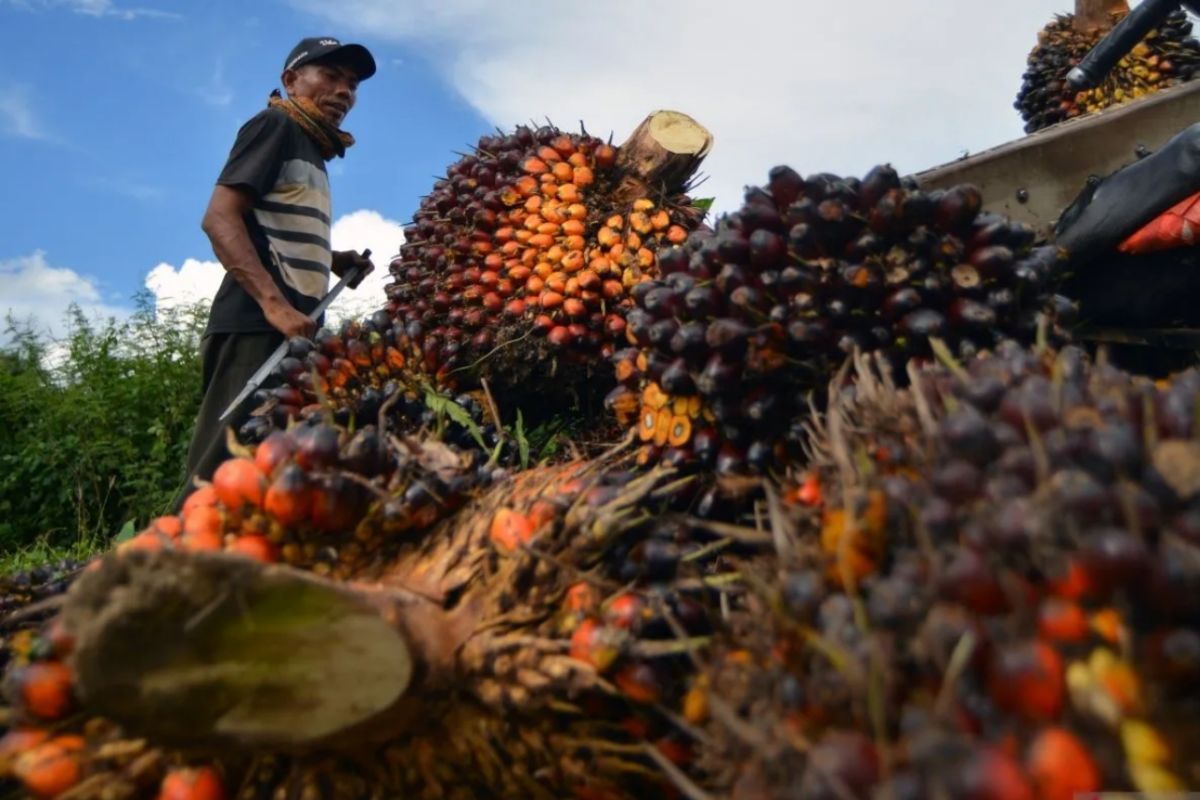
The regeneration and professionalisation of oil palm smallholders are considered decisive factors for the Indonesian palm oil industry to remain competitive amid technological developments, climate change, and increasing global market demands for sustainable plantation practices. Therefore, strengthening human resource capacity through continuous learning is seen as a long-term investment for the future of smallholder oil palm plantations.
This message was conveyed by the Vice Director of the Yogyakarta Plantation Community Academy (AKPY), Idum Satia Santi, at the opening of an oil palm farmer training programme under the Plantation Human Resource Development Programme (SDMP) in Banjarbaru, South Kalimantan. The activity, supported by the Plantation Fund Management Agency (BPDP) and the Directorate General of Plantations at the Ministry of Agriculture, took place from 27 June to 2 July 2026. A total of 118 participants attended the training, comprising 84 participants in the Oil Palm Cultivation Technical class, divided into three groups, and 34 participants in the Oil Palm Mapping Techniques class.
According to Idum, the challenges facing smallholder plantations today are no longer limited to increasing production but also include preparing growers capable of adapting to technological developments and implementing modern, sustainable cultivation practices. “The success of oil palm is not solely determined by superior seeds or fertilisers but is highly dependent on the quality of human resources. The best investment is enhancing knowledge and skills because knowledge will continue to provide benefits for both the plantation and the family,” she said.
She explained that climate change, increasing pest attacks, and demands for certification and product traceability require growers to continuously update their competencies. According to her, the farmers of the future need to be able to utilise technology, manage farming data, and apply Good Agricultural Practices (GAP) and sustainability principles in plantation management.
In this programme, AKPY organised two types of training: Oil Palm Cultivation Techniques and Plantation Mapping Techniques. The two materials were designed to complement each other to increase productivity while encouraging more modern and efficient plantation management. The cultivation material covered seed selection, fertilisation, pest and disease control, soil and water conservation, and effective plant maintenance techniques. Meanwhile, the mapping training equipped participants with the ability to accurately identify plantation conditions so that every decision in crop management could be made more precisely.
“Mapping is not just about drawing the plantation; it is the basis for knowing the land area, plantation boundaries, plant conditions, and facilities, so that management becomes more effective,” Idum explained.
The Head of the Plantation Division of the Food Security and Agriculture Office of Tanah Bumbu Regency, Agus Dwi Wahyono, assessed that improving the competence of growers must be carried out continuously. According to him, all stages of farming, from cultivation, harvesting, and post-harvest to mapping, are interconnected in determining plantation productivity. “If you only understand cultivation but do not master harvesting and post-harvest, the results will certainly not be optimal. All materials must be studied continuously,” he said.
Agus added that the trust of the BPDP and the Directorate General of Plantations in Tanah Bumbu Regency continues to grow, as reflected in the increasing quota of training participants each year. He hopes that more smallholders, extension workers, and farmer group administrators will take advantage of this opportunity to improve their capacity while disseminating the knowledge gained to other farmers.
Meanwhile, the Head of the Plantation and Livestock Office of South Kalimantan Province, Suparmi, emphasised that improving human resource quality is the main foundation for building a productive and competitive smallholder oil palm sector. According to her, mastering cultivation technology and mapping will strengthen growers’ ability to face industry dynamics while increasing plantation productivity. She also reminded participants that the knowledge gained during the training should not stop in the classroom but must be applied in the field and shared with other growers so that the programme’s benefits can be felt more widely.
“This programme is expected to give birth to a professional young generation of oil palm growers who are adaptive to technological developments and ready to bring the Indonesian palm oil industry to be more productive, sustainable, and globally competitive,” Suparmi concluded.