
Oil Hits US$100: Petrochemical Stocks to Gain or Suffer
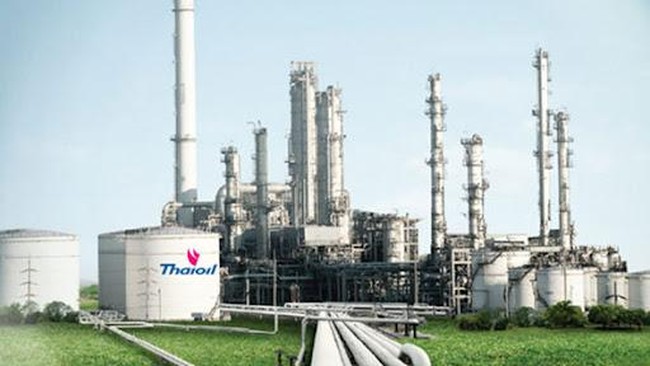
As conflicts in the Middle East show no sign of resolution and the war between Russia and Ukraine intensifies, global oil prices have surged. Brent crude stood at approximately US$101.7 per barrel on Monday (21/09/2026), after touching US$107.5 per barrel the previous week, while WTI hovered around US$98 per barrel.
Disruptions to shipping near the Strait of Hormuz are maintaining high risk premiums for oil. This impact is spreading to the prices of naphtha, benzene, paraxram, ethylene glycol, and various types of plastic resins. This situation is not automatically detrimental to all companies; basic chemical producers have the opportunity to enjoy higher selling prices. Conversely, companies that purchase naphtha and resin face pressure if increased costs cannot be passed on to customers.
From a monitored group of 18 issuers, nine recorded profit growth, six achieved a turnaround to profitability, and three experienced a decline in profit during the first half of 2026. PDPP recorded the highest profit growth, reaching 369.57%. However, in nominal terms, the largest profit was still booked by UNIC at Rp559.73 billion, followed by ESSA at Rp543.13 billion. Meanwhile, IMPC recorded the highest net margin at 18.1%, demonstrating the strong contribution of branded and value-added products.
In contrast, three large issuers experienced a decline in profits. The 18 issuers collectively recorded revenue of approximately Rp225 trillion and a profit of Rp11.45 trillion, though this figure includes double counting due to consolidations between BRPT, TPIA, and CDIA. Excluding these, the remaining 15 companies generated revenue of around Rp24.9 trillion with a profit of Rp2.62 trillion, representing a simple net margin of approximately 10.5%.
The first group of companies includes basic chemical producers, resins, industrial gases, holding companies, and infrastructure providers. This group has varying exposure to oil prices. UNIC, TPIA, and FPNI are quite sensitive to oil-derived raw materials, whereas ESSA is more influenced by gas and ammonia prices. AGII relies more on electricity costs, plant utilisation, and industrial demand. TPIA possesses the widest portfolio following its entry into refining and fuels through Aster in Singapore.
The second group is closer to end consumers, with products including packaging, plastic films, adhesives, and building materials. Plastic packaging accounts for about two-thirds of PBID’s sales in 2025. IMPC maintains a relatively defensive character as its products, such as polycarbonate roofing, uPVC, and FRP, possess higher brand value. Other players include IGAR, focusing on pharmaceutical packaging, and PDPP, which supplies the beverage and consumer goods industries.
Global energy and petrochemical prices are surging. The highest spike occurred in Asian LNG (Japan Korea Marker), with prices more than doubling compared to last year. Brent, WTI, and naphtha have also increased by more than 50% due to geopolitical tensions and risks to energy trade routes. This pressure has extended to benzene, propylene, and paraxylene, which all saw increases of over 50%.
For petrochemical issuers, rising prices act as a double-edged sword. Upstream producers stand to gain from higher selling prices, while companies relying on imported raw materials face rising production costs. The ultimate impact on profitability depends on a company’s ability to raise selling prices and maintain the spread between product prices and raw material costs.
Source: jawawa.id (https://jawawa.id/newsitem/oil-hits-us-100-petrochemical-stocks-to-gain-or-suffer-1789995121)
Originally published by CNBC Indonesia (https://www.cnbcindonesia.com/research/20260921140420-128-769599/minyak-tembus-us-100-ini-saham-petrokimia-yang-untung-tertekan), translated from Indonesian