
Oil and Gas Giants Reap Windfall Profits from Strait of Hormuz Crisis
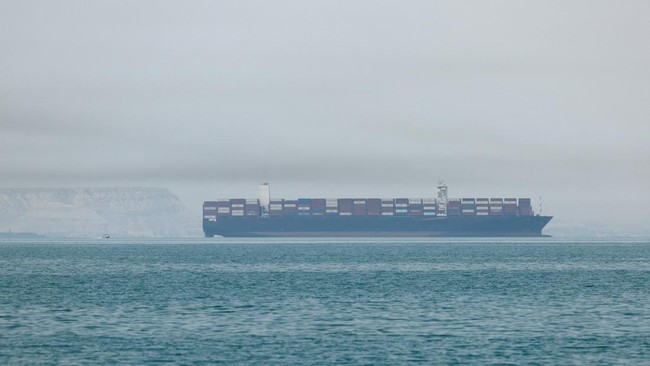
Jakarta, CNBC Indonesia – The war still raging between the US-Israel and Iran continues to roil global energy markets, yet it has proved a blessing for the world’s oil giants. Several of the largest oil and gas companies have reported their highest quarterly profits in years for the April-June 2026 period.
International oil prices averaged around US$96 per barrel in the second quarter of 2026, surging 45% compared with the same period a year earlier. The increase has benefited companies still able to produce and distribute oil worldwide amid the conflict in the Middle East.
Exxon Mobil, the largest US oil and gas company, booked a profit of US$14.53 billion in the second quarter of 2026, more than double the same period in 2025. Chevron recorded an even sharper jump in profit, from US$2.49 billion to US$12.07 billion. Exxon CEO Darren Woods said his company was prepared for a situation like this, even though it had never specifically predicted it.
A similar trend occurred among European energy companies. Shell of the UK reported second-quarter 2026 profits tripled from last year to US$10.82 billion, while TotalEnergies of France booked profits of more than double to US$5.44 billion. TotalEnergies CEO Patrick Pouyanné described the situation in the Strait of Hormuz as still highly volatile and a frequent battleground.
Saudi Aramco, the world’s most valuable oil and gas company, faces different conditions. Because the majority of its operations are located domestically, close to the centre of the conflict, the war’s impact on Aramco has been relatively greater. Analysts surveyed by FactSet project that Aramco’s second-quarter 2026 profit, due to be released next week, will grow only around 27% from the previous year.
Energy supply disruptions have worsened since the ceasefire between the US and Iran collapsed earlier this month, compounded by the battle for control over the Strait of Hormuz, the access route to the Persian Gulf. A new wave of attacks in the Red Sea, an alternative shipping route, occurred after the second quarter ended, pushing energy prices higher again. World oil prices, which had briefly returned to pre-war levels of around US$72 per barrel in early July, climbed to roughly US$87 per barrel over the weekend.
The business of refining crude oil into petrol and other transport fuels has also been highly lucrative for a number of companies, as damage to refineries in the Persian Gulf and Russia has kept fuel prices elevated even when crude prices briefly slumped.
According to energy consultancy Wood Mackenzie, the oil and gas industry is currently inclined to hold on to extra cash rather than spend it on increasing production. Industry-wide oil and gas production spending this year is expected to be lower than in 2025, given the continued high uncertainty over the direction of the war. Even so, Chevron CEO Mike Wirth said there are no significant signs that the war will suppress oil and gas demand in the long term.
The profit surge among oil and gas giants has drawn criticism from environmental groups, several European finance ministers, and US President Donald Trump, who in June accused the companies of taking excessive profits from consumer-level petrol prices. The European Union previously imposed a similar windfall profit tax in 2022 following Russia’s invasion of Ukraine, but a similar move in the US is now considered unlikely to materialise, as the Republican-controlled Congress tends to side with the oil and gas industry.
Amid this situation, some investors have begun questioning the level of Western energy companies’ exposure to the Persian Gulf region, given that Exxon and TotalEnergies hold major investments in Qatar, the United Arab Emirates and Saudi Arabia. Exxon, however, insists it remains optimistic about the region. “The world needs the resources in that region, and the Strait of Hormuz must remain open,” said Woods, adding that he was confident this would ultimately be achieved.
Source: jawawa.id (https://jawawa.id/newsitem/oil-and-gas-giants-reap-windfall-profits-from-strait-of-hormuz-crisis-1785829915)
Originally published by CNBC Indonesia (https://www.cnbcindonesia.com/market/20260804134244-17-756443/raksasa-migas-panen-cuan-imbas-krisis-selat-hormuz-ini-buktinya), translated from Indonesian