
Oil and Gas Decarbonisation: Existing Assets Now Key Beyond New Energy
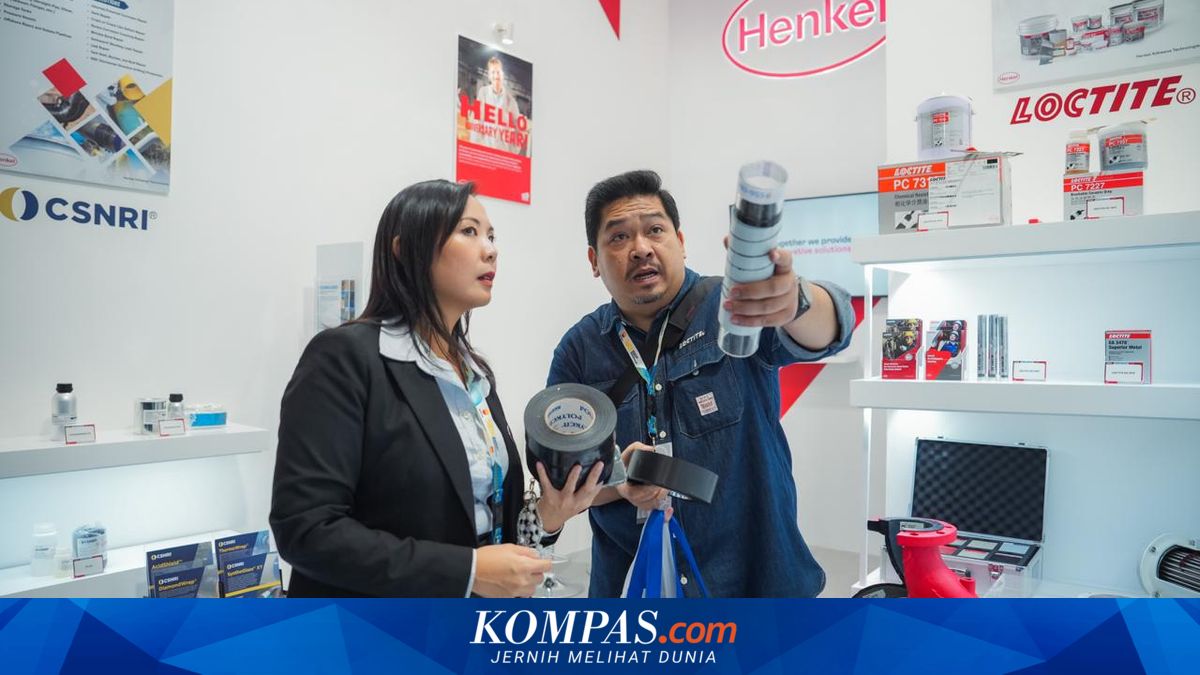
JAKARTA, KOMPAS.com – Efforts to reduce carbon emissions in the oil and gas sector are no longer solely reliant on transitioning to new and renewable energy. The oil and gas industry is also exploring alternative strategies, such as extending the lifespan of existing assets and improving the efficiency of current production facilities.
This approach was highlighted at the IPA Convex 2026 event, where energy industry players discussed various technologies to sustain oil and gas operations while reducing carbon footprints.
Mickey Kasemphaibulsuk, OPEX Manager for SEA at Henkel Adhesive Technologies, said emissions reductions can be achieved by enhancing industrial asset integrity and production equipment efficiency.
“Extending asset lifespans automatically reduces consumption of new materials like high-carbon steel, while optimising energy use in production equipment prone to performance decline,” Mickey stated in his presentation on Sunday, 24 May 2026.
Therefore, the industry is increasingly considering asset management approaches to maintain operational efficiency and cut carbon emissions.
Henkel introduced several asset protection and thermal efficiency technologies claimed to help reduce emissions from oil and gas operational activities.
One corrosion protection technology presented has potential to reduce carbon emissions compared to conventional methods. Additionally, thermal coating technology is said to boost energy efficiency, lowering fuel consumption.
IPA Convex 2026 is an annual energy industry forum bringing together businesses, technology providers, and regulators to discuss innovations in the oil and gas sector, including technologies supporting operational efficiency and carbon emission reductions.