
Oil and blood: Remembering the heroic events in Sanga-Sanga
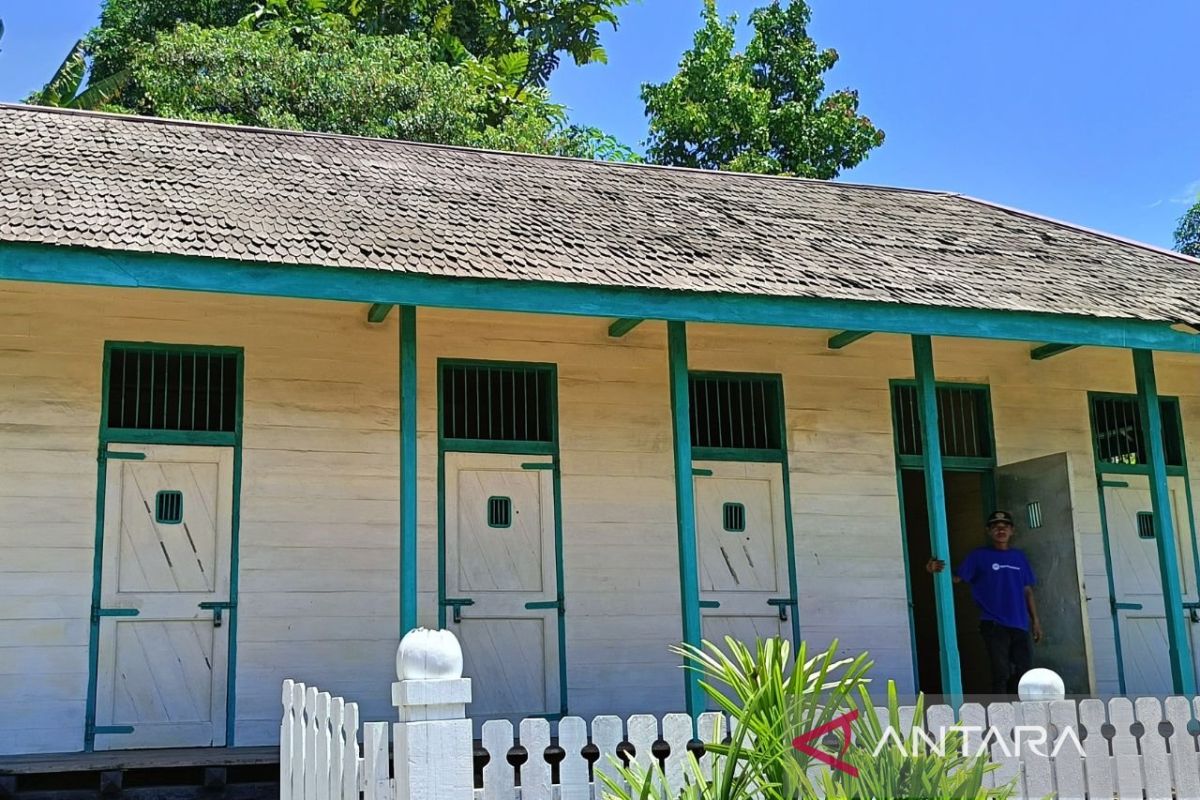
Sanga-Sanga in Kutai Kartanegara, East Kalimantan, may appear quiet, but it holds memories of how dearly independence was won.
Long before Indonesia gained independence, Sanga-Sanga had captivated the world thanks to the discovery of natural wealth beneath its soil. In this land, oil wells once spouted flames of glory for European nations, but the fighting spirit of the people burned even brighter.
In the past, Sanga-Sanga was merely a fishing village, where residents depended on sea catches, copra, and spices for their livelihood.
The book “Sanga-Sanga Kota Bersejarah Provinsi Kalimantan Timur” records that the village landscape changed when Dutch mining engineer J.H. Menten arrived and discovered oil reserves in 1888.
In 1897, the first well gushed oil. This drilling area is often called Sumur Noni in memory of a Dutch girl who reportedly fell into the well.
The oil produced from that well is said to have helped restore the Dutch economy, which had been devastated by war.
Managed by De Bataafsche Petroleum Maatschappij (BPM), 613 wells produced up to 70,000 tonnes of crude oil per month. Sanga-Sanga then transformed into an oil town.
However, that change also brought a social paradox. Colonial officials lived luxuriously in elite European-style housing in District 10, complete with electricity, gas, and clean water.
In contrast, workers and contract labourers brought in by the Dutch had to live crammed together in narrow wooden barracks.
Source: jawawa.id (https://jawawa.id/newsitem/oil-and-blood-remembering-the-heroic-events-in-sanga-sanga-1786874091)
Originally published by Antara (Indonesian) (https://www.antaranews.com/berita/5697180/minyak-dan-darah-mengenang-kembali-peristiwa-heroik-di-sanga-sanga), translated from Indonesian