
Often Confused: The Difference Between Angina and a Heart Attack
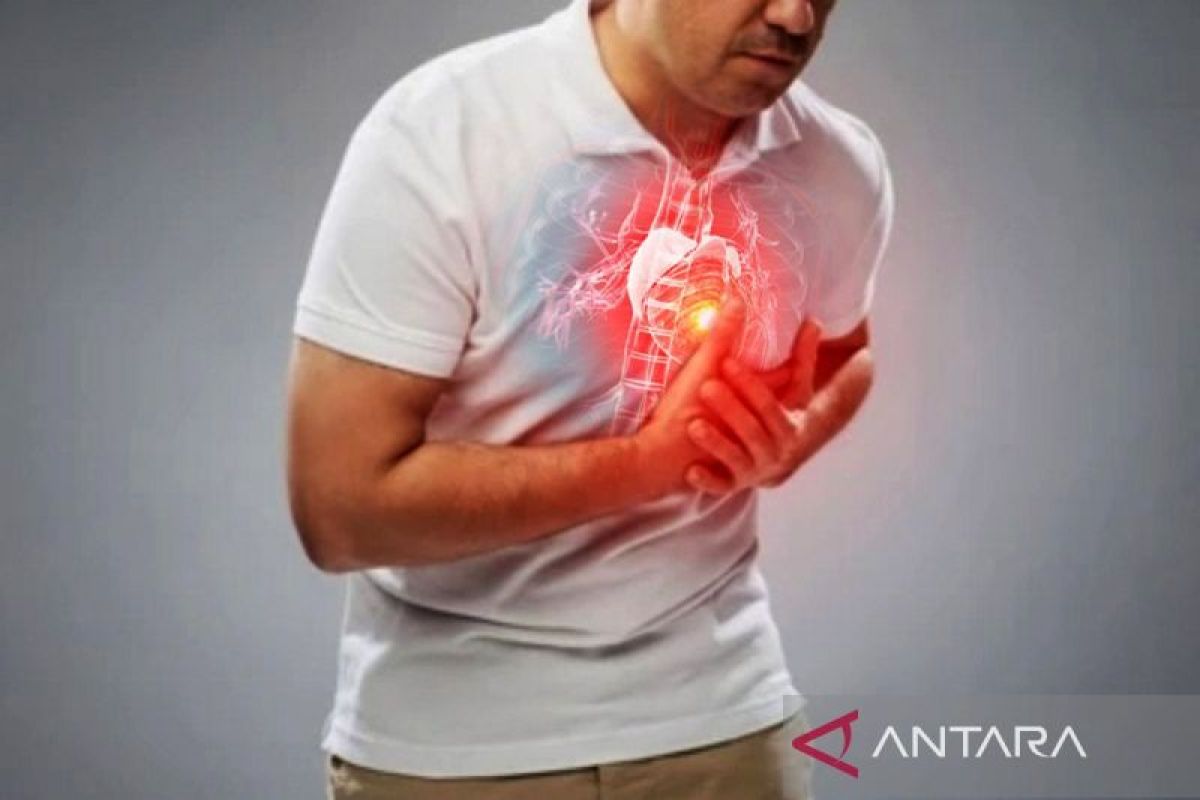
Jakarta (ANTARA) – Chest pain, shortness of breath and cold sweats are often associated with heart problems. However, these symptoms can occur in two different conditions: angina, also known in Indonesia as angin duduk, or angina pectoris, and a heart attack.
Both are linked to reduced oxygen-rich blood flow to the heart muscle. Although their symptoms can be similar, angina and a heart attack are not the same condition. The main difference lies in the severity of the disruption to blood flow and its effects on the heart muscle.
Angina generally occurs when blood flow to the heart muscle is temporarily reduced, while a heart attack occurs when blood flow is severely obstructed or cut off, causing the heart muscle to begin sustaining damage.
It is important to recognise the difference. However, symptoms alone are not always enough to determine whether someone is experiencing angina or a heart attack. Medical assessment is needed because both conditions can cause similar complaints.
1. Understanding angina
Angin duduk is a commonly used Indonesian term for angina pectoris: chest pain or discomfort caused by the heart muscle not receiving enough oxygen-rich blood.
The condition is generally associated with narrowed coronary arteries due to plaque build-up. When someone is physically active or under emotional stress, the heart’s demand for oxygen increases. But narrowed arteries cannot meet that demand, causing symptoms.
In stable angina, symptoms usually follow a relatively consistent pattern. Pain may occur when walking quickly, climbing stairs, exercising or experiencing emotional stress. It generally eases with rest or after taking medication prescribed by a doctor.
Symptoms of angina to look out for include:
A feeling of pressure, heaviness or squeezing in the chest.
Pain that may spread to the arm, shoulder, neck, jaw, back or upper abdomen.
Shortness of breath during activity.
Fatigue or weakness.
Nausea, dizziness and sweating.
Stable angina is usually brief, often lasting around five minutes or less. However, this is not a reliable measure for determining whether someone is safe from a heart attack.
There is also unstable angina, which is more dangerous because pain can occur suddenly, including while resting. Symptoms may last longer, become more frequent or fail to improve with rest.
Unstable angina is a medical emergency because it may indicate acute coronary syndrome and carries a risk of progressing to a heart attack.
2. Understanding a heart attack
A heart attack, or myocardial infarction, occurs when blood flow to part of the heart muscle is obstructed, depriving the tissue of oxygen and causing it to begin sustaining damage.
The most common cause is the rupture of plaque on the wall of a coronary artery, which then triggers the formation of a blood clot. The clot can block blood flow to the heart muscle.
Unlike stable angina, a heart attack can cause permanent damage to the heart muscle if it is not treated promptly.
Common heart attack symptoms include:
Pain or pressure in the centre of the chest that lasts for several minutes, or goes away and then returns.
Pain spreading to one or both arms, the shoulders, neck, jaw, back or upper abdomen.
Shortness of breath, with or without chest pain.
Cold sweats.
Nausea or vomiting.
Dizziness, light-headedness or feeling close to fainting.
Unusual fatigue.
Not every heart attack begins with severe chest pain. Some people experience mild symptoms, or no typical chest pain at all.
Women, older people and people with diabetes may also have less typical symptoms, such as shortness of breath, nausea, back pain or excessive fatigue. Heart attack symptoms should therefore not be judged solely by the severity of chest pain.
Angina and a heart attack can both cause chest pain, shortness of breath and discomfort that spreads to other parts of the body. There are, however, some general differences.
What triggers the symptoms
In stable angina, chest pain usually occurs during physical activity or emotional stress, and tends to follow a relatively consistent pattern.
A heart attack, by contrast, can happen during activity or at rest. Symptoms may appear suddenly without an obvious trigger.
How long the pain lasts
Stable angina generally lasts for a few minutes and eases when the person stops being active or rests.
During a heart attack, chest pain or pressure may last longer, persist, or go away and return. However, a heart attack can also cause mild symptoms, so the duration of pain cannot be used as the sole distinguishing factor.
Whether rest helps
Stable angina usually improves with rest or medication prescribed by a doctor.
Heart attack pain generally does not improve simply with rest. Even so, symptoms that subside do not rule out the possibility of a heart attack.
Effects on the heart muscle
In stable angina, the supply of blood to the heart muscle is temporarily reduced and generally does not cause the death of heart muscle tissue.
In a heart attack, blocked blood flow can damage or kill part of the heart muscle. Delayed treatment can extend the damage.
These differences are general guidelines, not a way to diagnose the condition oneself. Unstable angina and a heart attack can have very similar symptoms.
To establish whether someone has angina or a heart attack, a doctor must carry out medical examinations. The assessment cannot be based solely on the location, intensity or duration of chest pain.
Tests that may be carried out include:
- Electrocardiogram (ECG)
This records the heart’s electrical activity to identify possible rhythm problems or signs of impaired blood flow to the heart muscle.
- Troponin blood test
Troponin is a protein released into the blood when the heart muscle is damaged. An elevated troponin level can be an important indicator in diagnosing a heart attack.
- Echocardiogram
This uses sound waves to examine the structure of the heart and its ability to pump blood.
- Examination of the coronary arteries
A doctor may recommend coronary angiography to identify narrowing or blockages in the heart’s blood vessels.
The tests selected depend on the patient’s condition and the initial evaluation. If a heart attack is suspected, emergency treatment must not be delayed while waiting for all tests to be completed.
3. When should chest pain raise concern?
Sudden chest pain, particularly when accompanied by shortness of breath, cold sweats, nausea, or pain spreading to the arm and jaw, should be taken seriously.
Seek emergency medical help immediately if you experience:
New chest pain or pressure with no known cause.
Chest pain that lasts for several minutes, does not improve, or goes away and then returns.
Chest pain that occurs while resting.
Chest discomfort that becomes more frequent or severe, or lasts longer than usual.
Chest pain accompanied by shortness of breath, cold sweats, nausea, dizziness or feeling close to fainting.
Do not wait for the pain to become severe before seeking help. Call the emergency services or ask for medical assistance to take the patient to an emergency department. If possible, do not drive yourself.
Anyone with a history of angina who experiences a change in their usual symptom pattern should also seek prompt medical assessment. Angina that previously occurred only during activity but then starts happening at rest may indicate a more serious heart problem.
Some risk factors for heart disease are linked to lifestyle and health conditions that can be managed. The following steps may help protect heart health.
- Stop smoking
Substances in cigarettes can damage blood vessels and increase the risk of heart disease.
- Manage blood pressure
Uncontrolled high blood pressure can increase the heart’s workload and damage blood vessels.
- Control cholesterol and blood sugar levels
High cholesterol and diabetes can increase the risk of narrowed coronary arteries.
- Eat a balanced diet
Eat more vegetables, fruit, wholegrains and healthier sources of protein. Limit excessive salt, sugar and saturated fat.
- Exercise regularly
Choose physical activity suited to your ability and health. People who already have angina should consult a doctor before increasing the intensity of their exercise.
- Maintain a healthy weight
Excess weight can be associated with high blood pressure, diabetes and abnormal cholesterol levels.
- Have regular health checks
Check blood pressure, blood sugar and cholesterol regularly, particularly if you have risk factors or a family history of heart disease.
These steps may help reduce risk factors, but cannot guarantee complete protection from heart disease.
Angina and heart attacks are both associated with disrupted blood flow to the heart muscle. Stable angina usually occurs during activity and eases with rest, while a heart attack can damage the heart muscle when blood flow is obstructed.
However, the two conditions cannot always be distinguished easily by symptoms alone. Unstable angina may itself be a warning of an emergency and can carry a risk of progressing to a heart attack.
Do not dismiss chest pain, particularly if it comes on suddenly, becomes more severe, or is accompanied by shortness of breath and cold sweats. Early medical assessment and treatment are essential to help prevent more serious complications.