
Official: ASN to Work from Home Every Friday Starting 1 April 2026
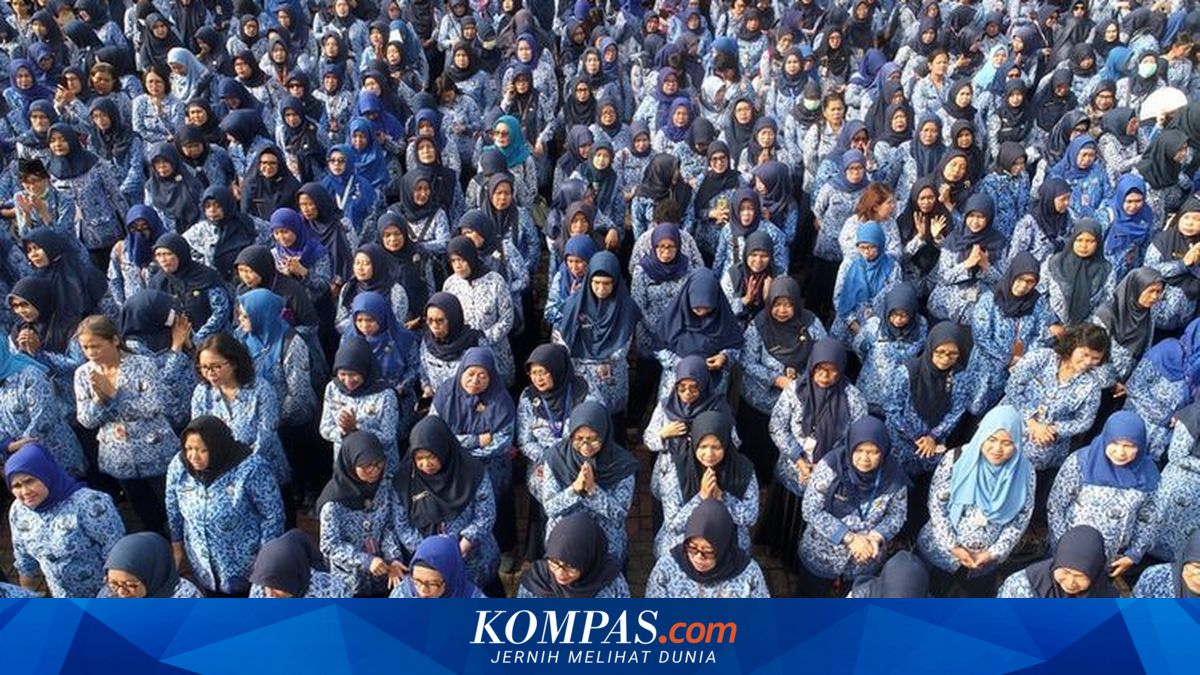
The government is implementing a work-from-home (WFH) policy for civil servants (ASN). This scheme applies one day per week, namely every Friday, both in central and regional agencies. The policy forms part of the government’s strategy to curb energy consumption amid global pressures, while safeguarding national economic stability. Coordinating Minister for the Economy, Airlangga Hartarto, stated that the policy is also aimed at promoting a shift to more efficient and digitally-based work patterns. “The government is establishing a cultural transformation policy that encourages behavioural changes towards more efficient, productive, and digitally-based work,” said Airlangga during a press conference on Tuesday (31/3/2026). Through this policy, ASN are required to work from home for one day a week, while the other working days continue as usual in the office. The government is also encouraging the private sector to adopt a similar pattern. However, its implementation will be adjusted to the needs and characteristics of each business sector. The arrangements will be further detailed through a circular from the Ministry of Manpower. The government targets a reduction in the use of official vehicles by up to 50 per cent, except for operational needs and electric vehicles. In addition, ASN are encouraged to use public transport more extensively to reduce fuel oil (BBM) consumption. Beyond that, the efficiency policy also includes restrictions on official travel. Domestic travel is cut by up to 50 per cent, while overseas travel is reduced by up to 70 per cent. Savings from BBM compensation are projected to reach Rp62 trillion. Meanwhile, the reduction in societal BBM consumption is estimated at Rp59 trillion. Overall, this policy is deemed capable of driving budget efficiency while reducing the burden of energy subsidies. The government views this step not merely as a short-term response, but as part of a transformation in work patterns towards a more modern and efficient system. “This situation is not an obstacle, but rather an opportunity for us to accelerate behavioural changes that are modern and efficient,” said Airlangga.