
OECD Calls for Business Community to Be Involved in Indonesia’s Accession Process
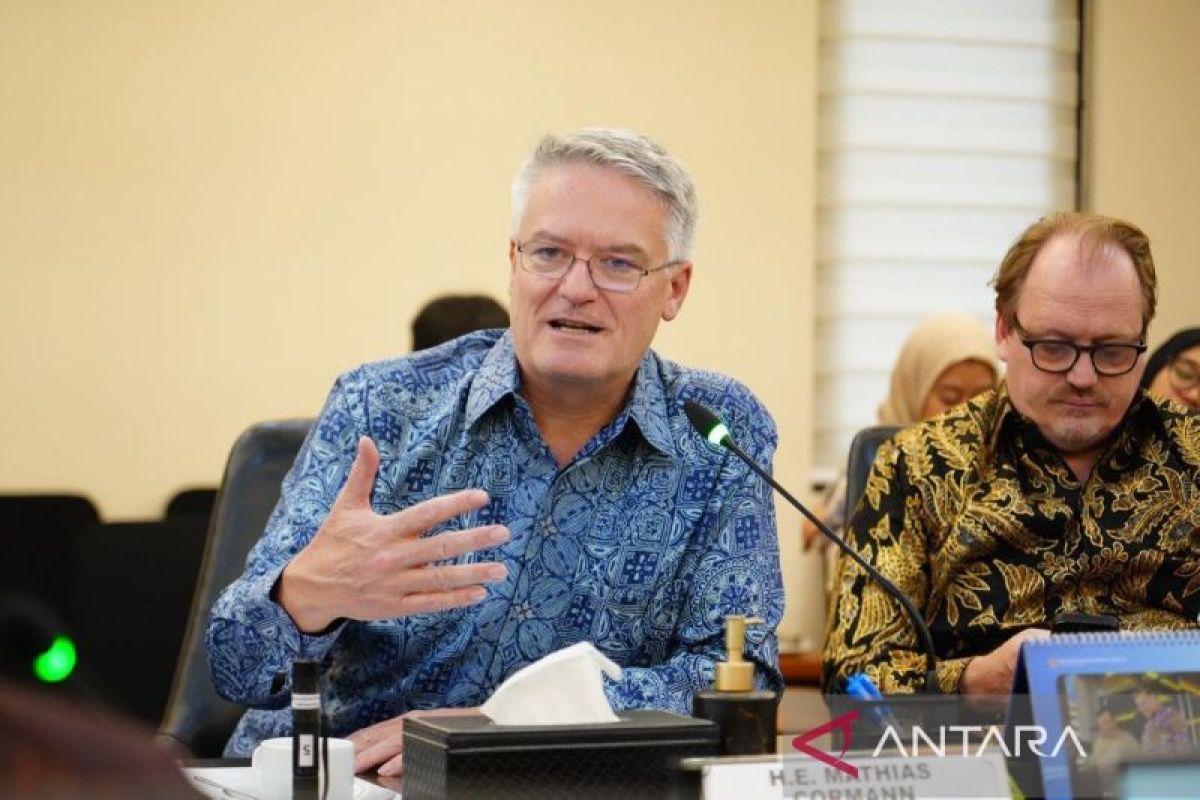
Jakarta (ANTARA) - The Organisation for Economic Co-operation and Development (OECD) has stressed the importance of involving businesses, trade unions, academics and civil society in supporting Indonesia’s accession process.
OECD Secretary-General Mathias Cormann said the participation of non-government stakeholders was an important element of the accession process, particularly in supporting policy reforms and ensuring the sustained implementation of OECD standards.
“The process [the technical review] requires not only the Government’s commitment, but also the active support of various non-government stakeholders,” Cormann said at a discussion forum with non-government stakeholder representatives organised by the Coordinating Ministry for Economic Affairs, as quoted in Jakarta on Thursday.
The forum was part of Cormann’s working visit to Indonesia on 25–26 November 2026.
The process includes an assessment of how closely Indonesia’s policies, regulations and governance align with OECD standards.
Edi Prio Pambudi, Deputy for Economic Co-operation and Investment Co-ordination at the Coordinating Ministry for Economic Affairs, said Indonesia’s successful accession depended not only on the Government’s readiness to meet OECD standards and instruments, but also on support from various sections of society.
“Indonesia’s successful accession to the OECD will be determined not only by the Government’s readiness to meet OECD standards and instruments, but also by support from the wider policy ecosystem. The involvement of businesses, trade unions, academics, research institutions, civil society organisations and other community groups is an important factor in ensuring that reforms are implemented effectively and inclusively, and deliver tangible benefits to the public,” Edi said.
Academics and research institutions are expected to support policy improvements through evidence-based studies. Civil society organisations and trade unions, meanwhile, are expected to help ensure that the reform agenda continues to take social welfare and sustainability into account.
“With a strong partnership between the Government and all sections of society, Indonesia is confident it can use the OECD accession process as an instrument for reform to strengthen governance, improve economic competitiveness, enhance regulatory quality, and achieve inclusive and sustainable development,” Deputy Edi concluded.
Non-government stakeholders attending the forum included the Confederation of Indonesian Prosperous Trade Unions (KSBSI), the Muhammadiyah Central Board’s Council for Economic and Business Affairs, The PRAKARSA, the International NGO Forum on Indonesian Development (INFID), the National Committee on Governance Policy (KNKG), the SMERU Research Institute and the Center of Reform on Economics (CORE) Indonesia.
Source: jawawa.id (https://jawawa.id/newsitem/oecd-calls-for-business-community-to-be-involved-in-indonesias-accession-process-1795679677)
Originally published by Antara (Indonesian) (https://www.antaranews.com/berita/5879719/oecd-minta-keterlibatan-dunia-usaha-dalam-proses-aksesi-ri), translated from Indonesian