
OCBC Forecasts Indonesia’s Economic Growth at 5.2% in 2026
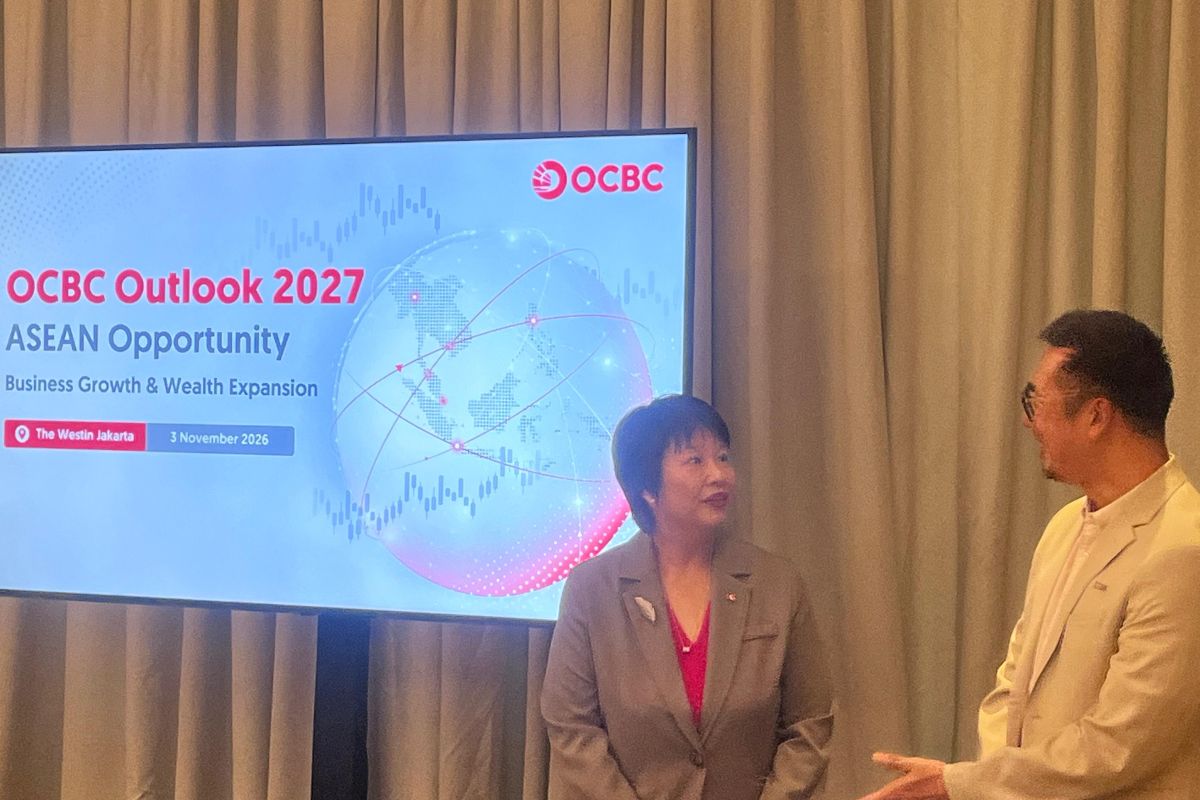
Jakarta (ANTARA) — Selena Ling, Chief Economist and Head of OCBC Group Research, said the bank forecasts Indonesia’s economy to grow by 5.2 per cent in 2026.
“Most of the support for economic growth this year comes from domestic demand,” she said at the OCBC Outlook – ASEAN Opportunity: Business Growth & Wealth Expansion event in Jakarta on Tuesday.
She said Indonesia’s economic resilience, underpinned by strong domestic demand, provides a foundation for a positive medium-term outlook, with growth projected at around 5 per cent.
Investment and household consumption are considered the economy’s main pillars. This is reflected, among other indicators, in investment growth of 6.9 per cent year on year in the second quarter of 2026.
That momentum has been reinforced by infrastructure spending, private-sector investment and fiscal support, as well as stable labour-market conditions, with unemployment at 4.65 per cent in May 2026.
Nevertheless, domestic economic strength faces rising external risks, including global energy-price volatility stemming from geopolitical conflicts in West Asia/the Middle East, and monetary tightening by major central banks around the world.
Prolonged geopolitical tensions between the United States and Iran, or between Russia and Ukraine, could keep energy, transport and logistics costs high, in turn intensifying inflationary pressure from imported goods.
At the same time, uncertainty in global trade, exacerbated by US import tariffs and the possibility of further trade tariffs, continues to weigh on international markets.
Another challenge is the possibility that the US central bank, the Federal Reserve, will maintain a relatively hawkish stance, as market consensus anticipates a 25-basis-point increase in the benchmark interest rate at the Federal Open Market Committee meeting in December 2026.
“In our view, if energy prices remain stable, the United States may enter an extended pause after raising interest rates in December. However, it will remain highly alert to inflationary pressures,” Ling said.
Domestically, Indonesian inflation remains well contained within Bank Indonesia’s target range of 1.5–3.5 per cent. However, supply-side risks—including food-price volatility caused by El Niño weather impacts—still require close monitoring, as they could affect the cost of living and business confidence.
To sustain economic expansion, Ling said policy priorities should include ensuring food availability, providing adequate access to financing for productive sectors, and accelerating the implementation of investment plans so they translate into real operating production capacity.
Indonesia’s consumer market offers substantial opportunities, including in retail, healthcare and digital services. Strong investor interest in manufacturing and industrial downstreaming is also expected to drive demand for industrial facilities, logistics networks, digital trade and payments, and reliable electricity supplies, including renewable energy.
“We see these as complementary areas of opportunity that can help investors capture Indonesia’s growth while contributing to higher productivity and deeper participation in ASEAN supply chains,” said OCBC Group Research Chief Economist and Head Selena Ling.
Source: jawawa.id (https://jawawa.id/newsitem/ocbc-forecasts-indonesias-economic-growth-at-5-2-in-2026-1793707169)
Originally published by Antara (Indonesian) (https://www.antaranews.com/berita/5829355/ocbc-proyeksi-pertumbuhan-ekonomi-indonesia-52-persen-pada-2026), translated from Indonesian