
Observers Urge Pilkada Reform to Strengthen Participation and Integrity
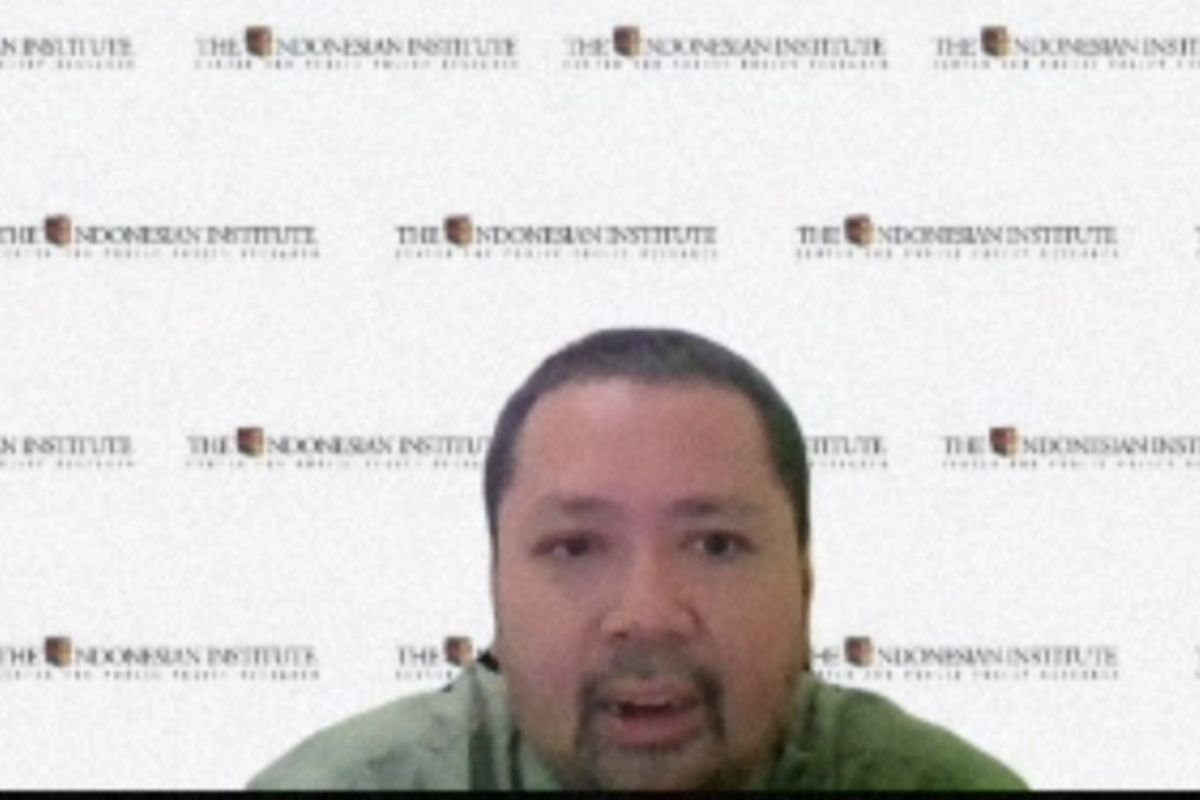
Jakarta (ANTARA) - Public policy observer Arfianto Purbolaksono of The Indonesian Institute (TII) has urged reforms to the governance of regional head elections (pilkada) by strengthening public participation, transparency in political financing and the effectiveness of oversight as efforts to improve the quality of local democracy.
Speaking at an online dissemination discussion titled “Assessing the Future of Local Democracy Following the Constitutional Court Ruling on the Regional Election System”, watched online in Jakarta on Wednesday, Arfianto said the proposal to change the regional election mechanism through regional legislative councils (DPRD) had given rise to differing views between political elites and the public.
According to him, TII’s study shows that the majority of the public still wants regional elections that provide space for direct participation as part of citizens’ political rights.
“We also found that when we compared that elite discourse with survey results based on public perceptions, there is in fact a gap between the public and the political elite. The political elite talk about efficiency, while the public talk about participation,” Arfianto said.
He explained that the right to vote is seen by the public as an important instrument for building the accountability of regional heads while strengthening democratic legitimacy. Therefore, regional election reform is considered necessary to focus on improving governance, not merely changing the election mechanism.
In its study, TII recommends that deliberations on revising the Election Law involve broad public participation so that policy changes reflect the needs of the community.
The study also encourages reform of campaign financing, stronger oversight by the Election Supervisory Agency (Bawaslu), improvements to political recruitment mechanisms within parties, and continuous political education.
“The future Election Bill needs to be deliberated with broad public involvement so that policy changes are genuinely substantial and capable of strengthening the quality of democracy,” Arfianto said.
In line with this, Dimas Ramadhan, a researcher at Populi Center, believes that improving the quality of regional elections must be accompanied by fixes to political party governance, particularly in cadre development and the selection of regional head candidates.
“The requirements must also be rigorous. There are at least three conditions that need to be met. As mentioned earlier, internal party reform. Cadre development, better party governance are needed. For instance, continuous cadre development, transparent candidate selection, and accountable organisational governance,” he said.
Meanwhile, M. Busyro Asmuni, a political science lecturer at Universitas Pembangunan Nasional Veteran Jakarta, believes political education for the public needs to be strengthened through collaboration among various parties in order to prevent transactional political practices in regional elections.
“Regarding the political education of the people, I think this is indeed our shared responsibility — educational institutions, NGOs, research institutes, and civil society organisations. I believe they all have a responsibility to build a politically aware society,” Busyro said.
In addition to strengthening political education, Busyro also encouraged regulatory improvements, particularly regarding the transparency and accountability of campaign financing, in order to sustainably enhance the quality of local democracy.