
Observer warns Asset Forfeiture Bill must not become a weapon of power
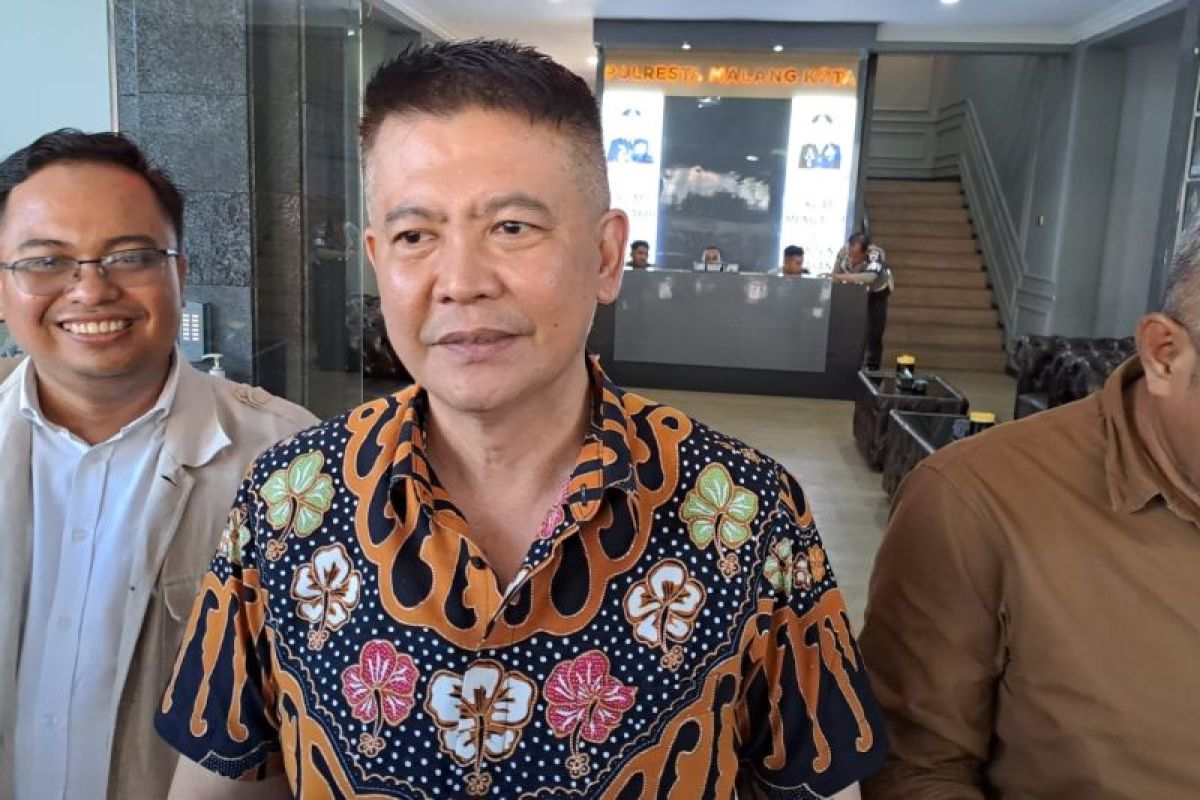
Asset forfeiture is indeed necessary to pursue the proceeds of crime, but who will oversee the hand of the state when the power to seize is made so strong?
Jakarta (ANTARA) - Legal and political analyst Pieter C. Zulkifli has warned that the Asset Forfeiture Bill (RUU Perampasan Aset) must not become a tool for law enforcement to pressure other parties.
To this end, Pieter stated in Jakarta on Wednesday that the implementation of the Asset Forfeuiture Bill must remain under strict supervision.
“Asset forfeiture is indeed necessary to pursue the proceeds of crime, but who will oversee the hand of the state when the power to seize is made so strong? This is where the Asset Forfeiture Bill becomes interesting yet sensitive: How can we ensure that criminal assets can be seized without turning the law into a weapon of power?” he said.
Pieter agreed that asset forfeiture is essential to combat crime. However, he noted that the greater the state’s authority to seize, the stronger the legal safeguards must be to ensure that such power does not transform into a tool of political influence.
He stated that asset forfeiture is not a sudden idea in Indonesian legal politics. When Indonesia ratified the United Nations Convention Against Corruption (UNCAC) through Law Number 7 of 2006, the recovery or return of assets resulting from corruption had become a vital part of that commitment.
“Indonesia ratified the UNCAC in September 2006. Chapter V of the UNCAC specifically regulates asset recovery and establishes asset return as a fundamental principle,” he noted.
Thus, he added, Indonesia’s need for a legal instrument for asset forfeiture is not a recent development. This legal umbrella is part of a long journey in the reform of corruption eradication.
On 6 October 2026, the House of Representatives (DPR RI) approved the Asset Forfeiture Bill related to criminal acts as a DPR-initiated bill. Various factions simultaneously reminded of the importance of balancing the effectiveness of forfeiture with the protection of citizens’ constitutional rights.
The next stage of discussion is scheduled to enter the List of Identified Problems (DIM) phase, with a target completion date no later than 15 December 2026.
“We certainly need laws that allow the state to pursue criminal proceeds, including when perpetrators hide, transfer, or move their wealth, but such laws must not grant overly broad authority to officials without adequate control,” he said.
Pieter then quoted the 19th-century British politician Lord Acton, who famously warned that “power tends to corrupt, and absolute power corrupts absolutely,” meaning that great power requires great limitations.
In his view, such mechanisms can be useful when perpetrators die, flee, or are unable to undergo criminal proceedings under certain circumstances. The UNCAC itself allows member states to consider non-conviction-based (NCB) forfeiture mechanisms under specific conditions.
However, he stressed that NCB is not unfettered authority for officials.
“Precisely because it does not always depend on criminal conviction, NCB must be under judicial control, possess clear standards of proof, and provide effective mechanisms for objection. Concerns regarding the potential abuse of NCB were also raised during recent discussions in the DPR RI,” he said.
Pieter suggested that a safer model involves the division of authority. Law enforcement officials would conduct investigations and submit applications.
Subsequently, the court would grant permission or ratification for actions requiring judicial control. Asset management agencies would operate professionally and transparently, while the legal process and execution of decisions proceed according to their respective authorities.
Source: jawawa.id (https://jawawa.id/newsitem/observer-warns-asset-forfeiture-bill-must-not-become-a-weapon-of-power-1791374541)
Originally published by Antara (Indonesian) (https://www.antaranews.com/berita/5775385/pengamat-ingatkan-ruu-perampasan-aset-tak-boleh-jadi-senjata-kekuasaan), translated from Indonesian