
Observer: US Deputy Secretary of State's Visit Will Not Directly Affect Trade Tariffs
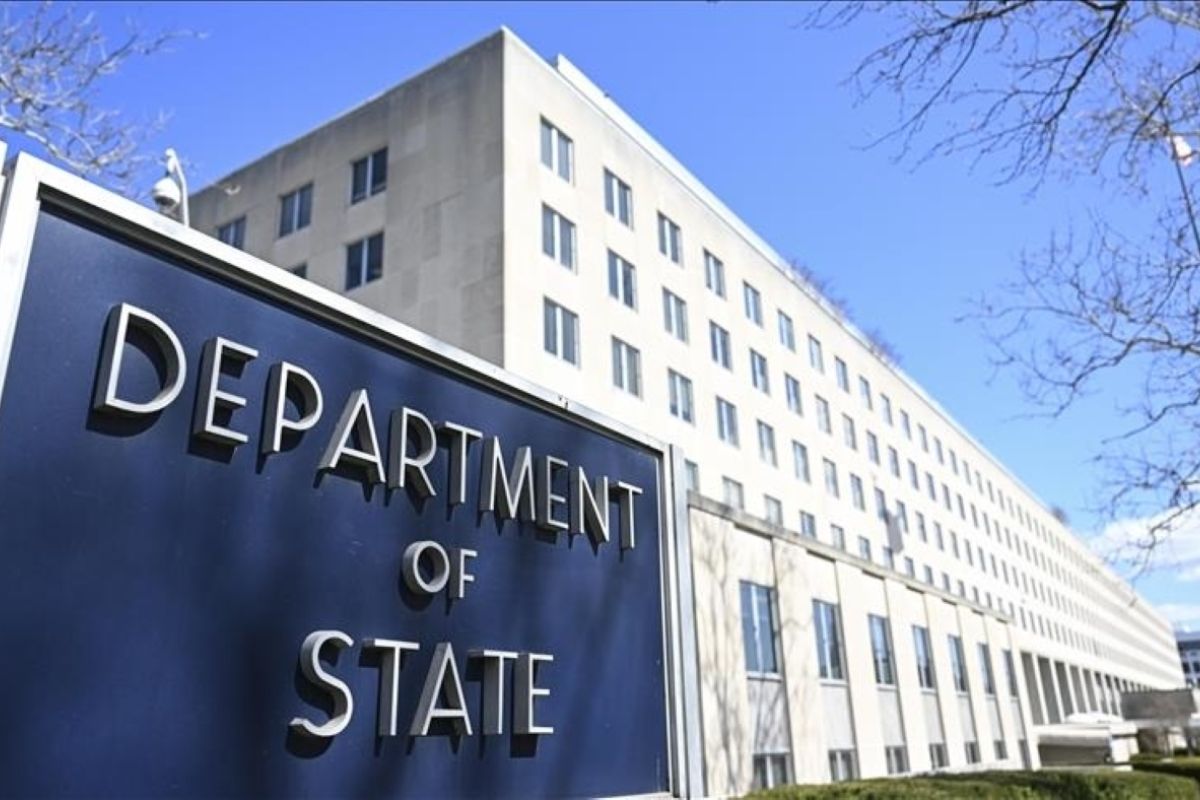
Jakarta (ANTARA) - International relations observer Andrea Abdul Rahman Azzqy assessed that the visit of United States Deputy Secretary of State Christopher Landau to Indonesia will not automatically affect trade tariffs between Indonesia and the US. “The visit of US Deputy Secretary of State Christopher Landau does not immediately change trade tariffs, because tariff policy is determined through formal mechanisms in Washington,” Andrea said when contacted by ANTARA in Jakarta on Thursday. However, he continued, the visit could open up other areas of cooperation such as business, digital technology, and Indo-Pacific security coordination, with the main focus being on deepening the economic partnership. “The greatest benefit is in investment and technology, not tariffs,” said the lecturer from the International Relations programme at Budi Luhur University. He expressed hope that relevant ministries could capitalise on this moment for the country’s advantage. Deputy Secretary of State Christopher Landau is travelling to Singapore, Vietnam, and Indonesia from 6 to 13 June for his first official visit to Southeast Asia as Deputy Secretary. The US Deputy Secretary of State is scheduled to arrive in Indonesia on 13 June to deepen bilateral economic cooperation and discuss increasing US business investment to promote shared prosperity and support the economic priorities of both countries. The visit underscores the US commitment to supporting regional prosperity and security and expanding economic and strategic partnerships across Southeast Asia and the Indo-Pacific. On 7 June, the Coordinating Ministry for Economic Affairs announced that the US Trade Representative (USTR) plans to grant 18 tariff exemption requests submitted by Indonesia under Section 301 of the US Trade Act. The move is believed to provide a significant economic stimulus for the national industrial sector, reduce export cost burdens, and enhance the competitiveness of Indonesia’s leading commodities in the US domestic market. Indonesia is subject to a 10 percent tariff based on the results of the Section 301 investigation under the US Trade Act, along with five other countries, while 54 other countries will face a 12.5 percent tariff.