
Observer: Recovered corruption assets become capital for national development
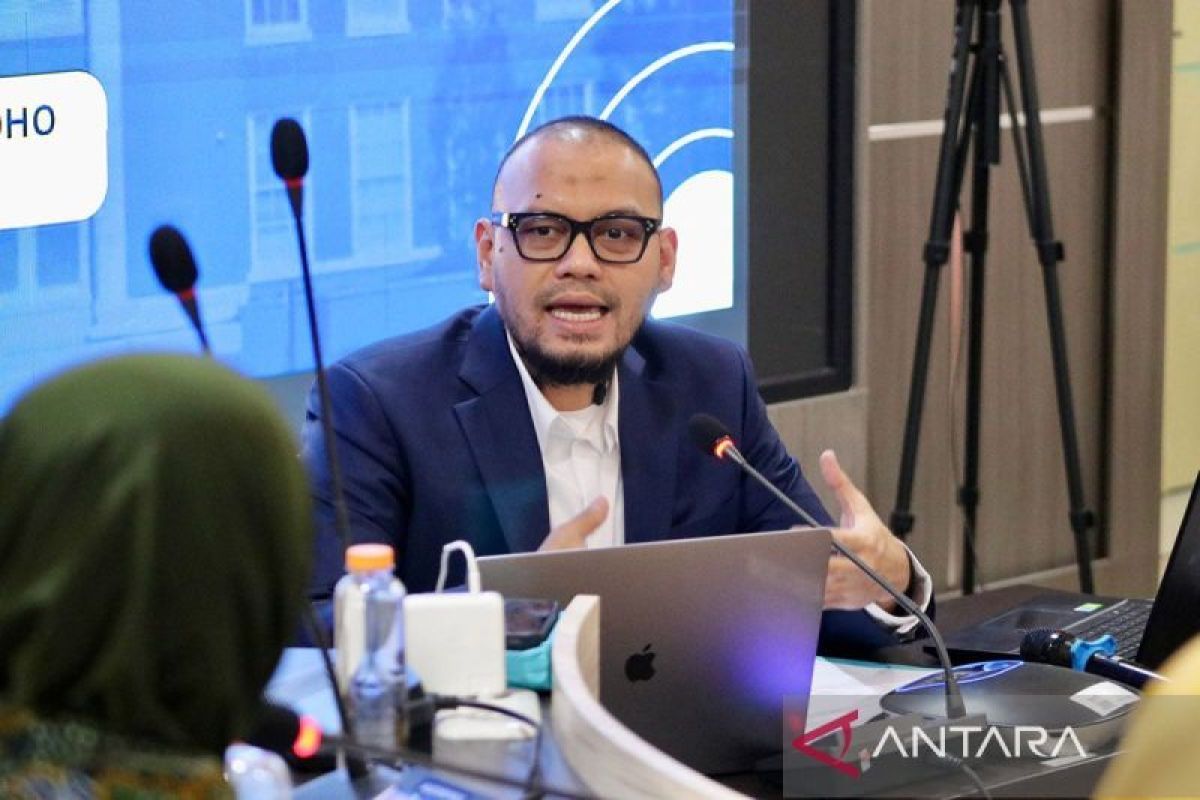
Legal and development observer Hardjuno Wiwoho has reminded that state assets successfully recovered from corruption offences will once again become capital for national development.
This is because, he said, asset recovery in corruption cases is not merely a matter of punishing the perpetrators.
“State wealth lost to corruption is, in essence, a development resource that should be used to improve public welfare,” Hardjuno said in a statement in Jakarta on Tuesday.
He stated that legal issues cannot be separated from the national development agenda.
Accordingly, he continued, legal certainty, corruption eradication, natural resource management, and the recovery of assets derived from crime must all be placed within a single overarching development framework.
“That is where law meets development and economic justice,” he said.
He argued that one of Indonesia’s current problems is that development is too easily translated into growth in economic figures.
Yet, he continued, the constitution has provided a clear direction that the national economy must be organised on the basis of economic democracy with the ultimate aim of achieving the greatest possible prosperity for the people.
He stressed that economic growth, investment, and industrialisation are important, but they are all merely instruments.
Hardjuno emphasised that the ultimate goal of development should be a populace that is increasingly productive, owns assets, obtains decent employment, and has the opportunity to move up in class.
“If the economy grows but wealth becomes increasingly concentrated, we need to have the courage to say that something must be corrected in the direction of our development,” he said.
For this reason, he urged the government to once again strengthen the people’s economy through support for the productive sector, SMEs, cooperatives, agriculture, national industry, and job creation.
Accordingly, he assessed that a people’s economy does not mean rejecting investment or market mechanisms, but rather ensuring that the state has a bias so that the benefits of growth do not stop with groups that possess large capital.
Hardjuno said the experience of other countries, including China, shows that economic transformation requires long-term consistency of direction.
In his view, Indonesia already possesses that foundation in its constitution and the principle of a people’s economy, so the challenge is not to seek a new development model, but to ensure that economic policy once again operates in accordance with the purpose of the state.
“Indonesia does not lack resources, capable people, or social capital. What we must ensure is the direction,” Hardjuno said.
To that end, he asserted that national development must once again have a simple measure, namely whether the people are increasingly empowered, prosperous, and have a stake in the economic progress of their own country.