
Observer: Producers shift to fortified rice amid price ceiling pressure
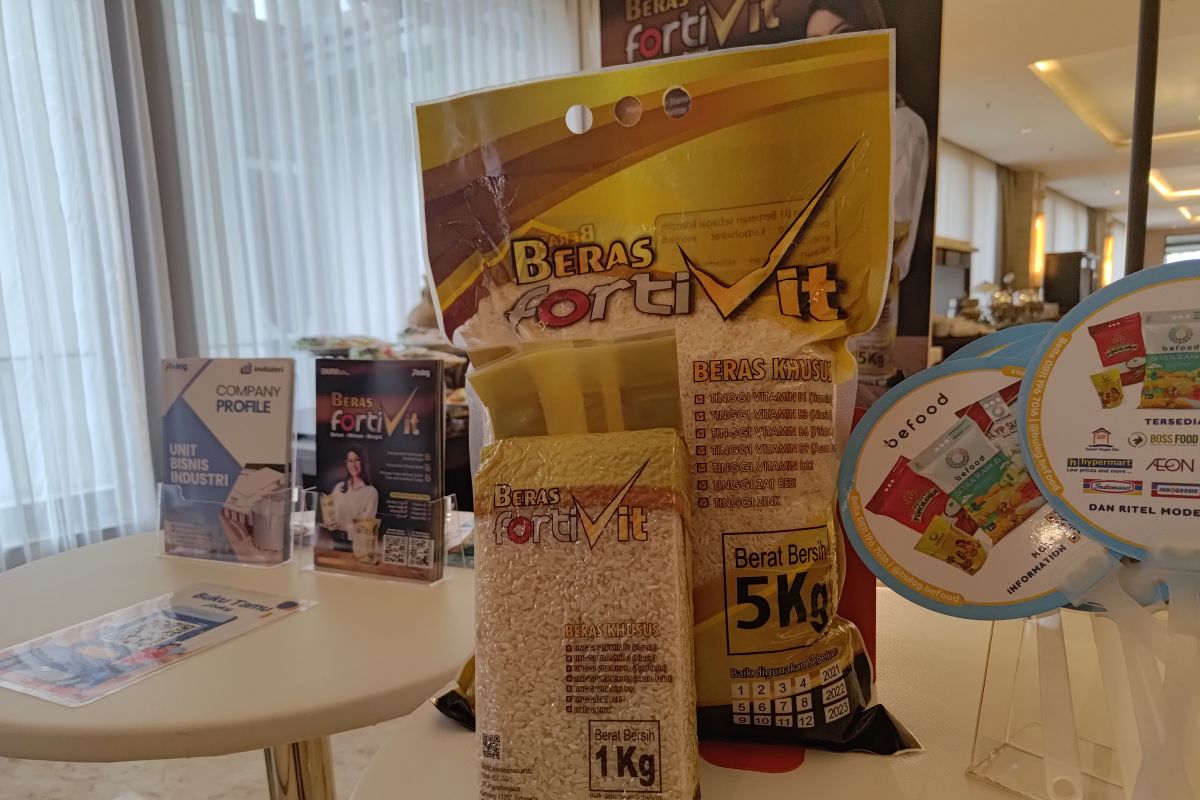
Jakarta (ANTARA) - Agricultural observer Khudori assesses that some rice producers are beginning to shift part of their production to fortified rice amid pressure from the retail price ceiling (HET) on medium and premium rice caused by high grain prices. According to Khudori, grain prices at farm level have now exceeded Rp8,000 per kilogram, far above the government purchase price (HPP) for harvested dry grain of Rp6,500 per kilogram. This situation, he said, has raised rice production costs while producers still face HET restrictions when selling medium and premium rice on the market. “The HET is a limit that must not be breached. The HET was drawn up on the assumption that grain prices would not be far from the HPP. When grain prices are far above the HPP, the rice HET will be exceeded,” Khudori said, quoted from a statement in Jakarta on Saturday. He said this pressure is encouraging some producers to seek business opportunities through the production of special rice, including fortified rice, which is not subject to the HET in the same way as medium and premium rice. Nevertheless, he said the production of fortified rice, which has become increasingly visible in modern retail over the past two to three months, does not necessarily indicate that producers have shifted entirely away from premium rice. Fortified rice is one of nine categories of special rice under National Food Agency Regulation Number 2 of 2023. It is enriched with certain vitamins and minerals, giving it added value and a higher selling price. Khudori estimates that the volume of fortified rice is still relatively small compared with national rice production. He therefore said data on production and sales volumes are needed to ascertain the extent to which the increase in fortified rice is affecting rice prices overall. He also cautioned that not all mills and producers have the capacity to shift production to fortified rice because it requires additional capital and carries its own market risks. “To obtain a precise figure for the actual volume of fortified rice as a share of total national rice production, it can at least be traced by tracking producers’ transactions or sales,” he said. According to Khudori, the main issue that needs attention is the pressure on production costs caused by high grain prices, while medium and premium rice producers remain constrained by the HET. He believes this situation needs to be evaluated so that rice pricing policy does not end up encouraging producers to reduce production of the rice that the public needs or to exit the market.