
Observer: Prabowo a Statesman through National Priority Programmes
Palu, Central Sulawesi (ANTARA) - Socio-economic observer Aslamuddin Lasawedy believes that President Prabowo Subianto embodies the qualities of a statesman through his national priority programmes.
“The programmes launched by the current President will have impacts felt in the future. That is the principle of a statesman,” he said in Palu, Central Sulawesi, on Thursday.
He explained that these programmes are not merely for his five-year leadership term but are being prepared for future Indonesian generations.
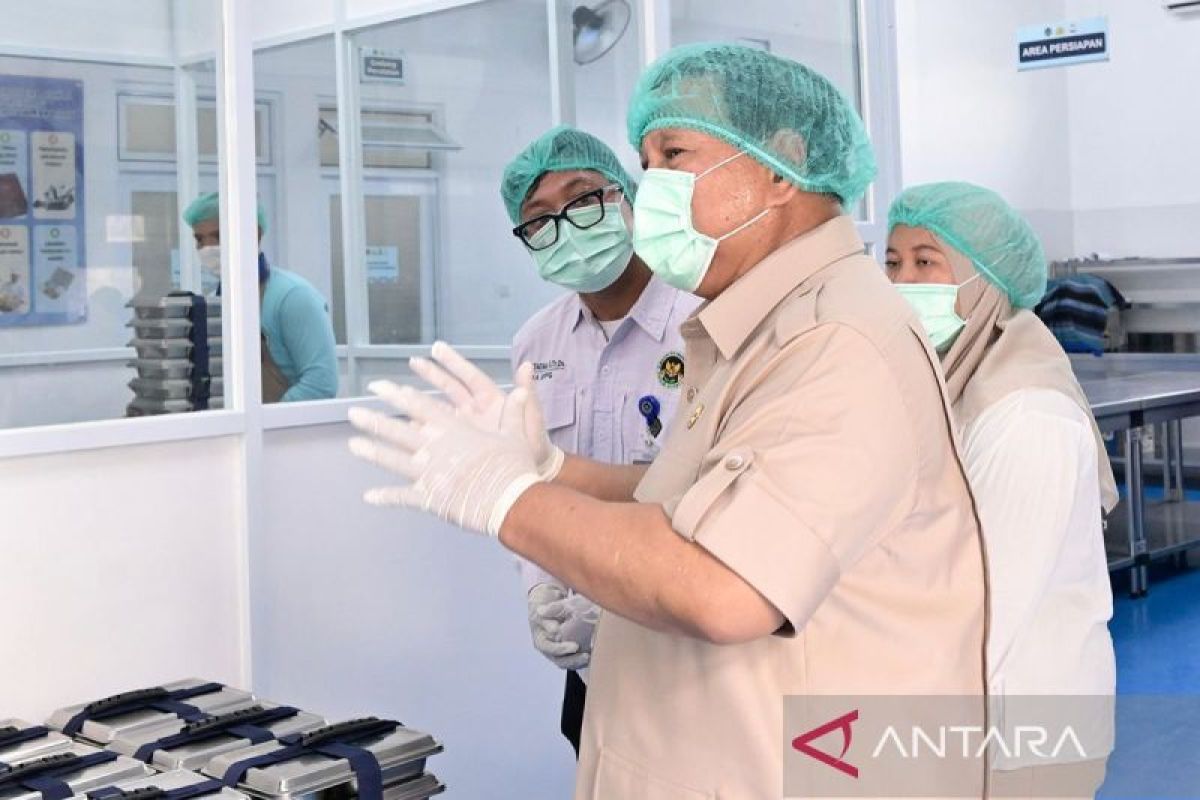
“Examples include the Free Nutritious Meals (MBG) programme and the ‘Sekolah Rakyat’ (People’s School) initiative,” he noted.
According to him, these various programmes should be viewed positively as they represent the work of a statesman, rather than a president merely seeking re-election in the next period.
Regarding the MBG programme specifically, he stated that it is not a new concept globally. However, because it is new to Indonesia, it has sparked various debates within the community.
“But if we look at the success of similar programmes worldwide, quite many nations have been able to implement them successfully,” he said.
The government has established seven new national priority programmes within the 2026 Government Work Plan (RKP), drafted based on direct instructions from President Prabowo.
These seven programmes include Free Nutritious Meals (MBG), Sekolah Rakyat, the Merah Putih Village/Sub-district Cooperatives, Education Digitalisation, Welfare Cards, Affirmative Business Cards, and Integrated Waste Management.
These programmes are part of 201 strategic projects/programmes included in the 2026 RKP. The remaining 212 are carry-over programmes established during the previous period.
Of the seven new programmes, MBG is aimed at supporting the fulfilment of nutritious food needs for the public, particularly for students. Meanwhile, Sekolah Rakyat is intended to expand educational access for poor and vulnerable communities.
The government has also included the Merah Putih Village/Sub-district Cooperatives as a strategic programme to strengthen economic activity at the village and sub-district levels.
In the field of education, Education Digitalisation aims to accelerate technology integration within the national education system, including the provision of devices, teacher capacity building, and the utilisation of digital platforms.
Furthermore, the Welfare Card and Affirmative Business Card are part of the government’s strategy to alleviate poverty. Government documents describe the Welfare Card as an instrument for integrating social protection, while the Affirmative Business Card is aimed at poor and vulnerable groups through capacity building and increased access to productive assets and business opportunities.
Lastly, the Integrated Waste Management Programme is directed towards strengthening systematic and sustainable waste governance, including the development of waste-to-electricity processing based on environmentally friendly technology.