
Observer: Police Involvement in Civilian Posts Is Natural and Lawful
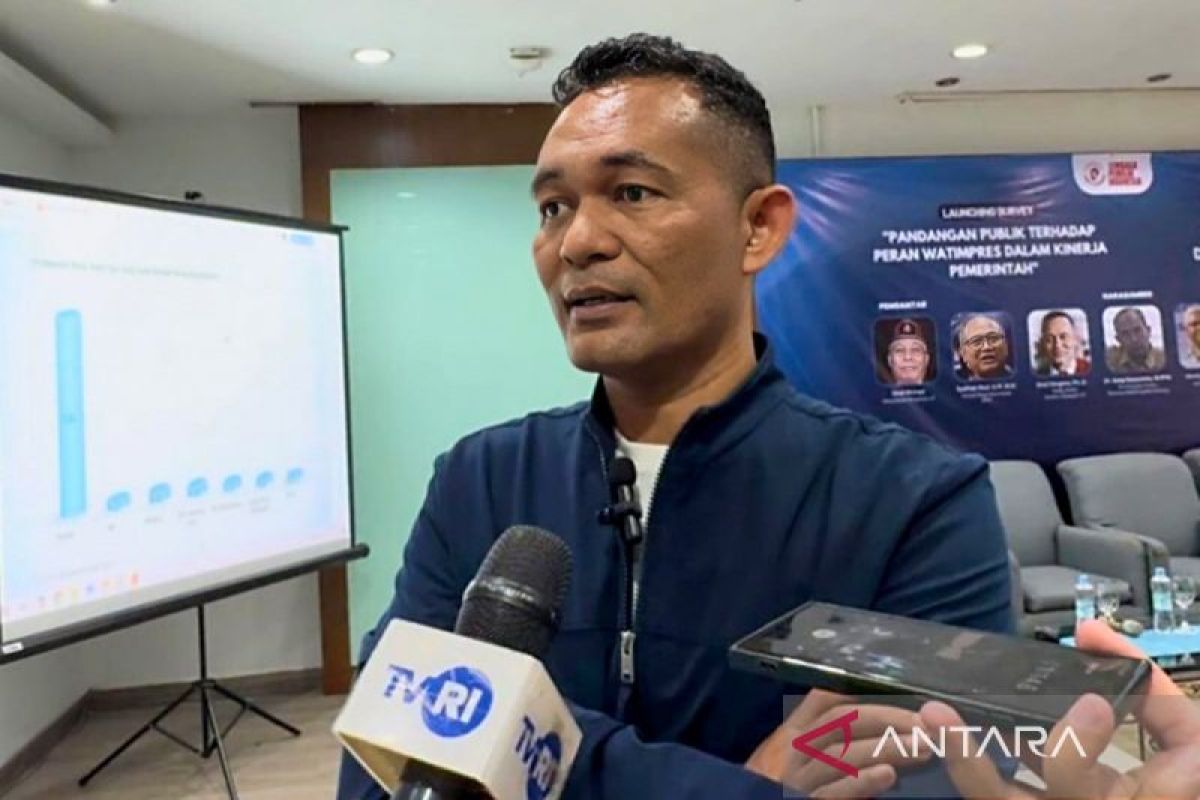
Political observer Boni Hargens has stated that the involvement of Indonesian National Police (Polri) personnel in civilian posts is a natural and lawful necessity. “If police personnel are more competent for certain positions in the civilian sphere, we should not be overly prejudiced against the Polri institution,” Hargens said in a statement in Jakarta on Saturday. He added that Polri, as part of civil society, also bears the responsibility of strengthening civilian democracy. He urged the public to abandon negative bias against the police being allowed to hold civilian positions within government agencies and ministries. The provision specifically targets positions deemed to require human resources from the police institution, both in terms of technical and institutional competence. Hargens affirmed his confidence in Polri’s commitment to improving institutional performance and culture, particularly in carrying out its functional duties of maintaining public order and security. He specifically referenced a statement by National Police Chief General Listyo Sigit Prabowo, who emphasised that the provision for Polri involvement in state civil apparatus positions is not coercive but entirely based on genuine needs and concrete requests from the relevant agencies or ministries. “The National Police Chief’s argument demonstrates Polri’s commitment to maintaining and respecting democratic culture within the framework of the Indonesian rule of law,” he said. Hargens proposed three conditions for implementing the provision allowing police personnel in civilian posts: first, technical competence, where placement is considered reasonable and lawful if the personnel possess relevant expertise; second, a non-coercive nature, where a request-based mechanism rather than forced placement serves as adequate protection against police dominance over the civilian bureaucracy; and third, implementation within the context of civilian responsibility. “Polri, as an integral part of civil society, is seen to have a constitutional responsibility to contribute to strengthening democracy, not merely to act as a law enforcement institution,” he stated. Hargens expanded his argument into a broader geopolitical and economic context, asserting that Indonesia is currently in a phase requiring comprehensive consolidation from all components of the nation. This context encompasses two main dimensions: the need to ensure the success of the government agenda under President Prabowo Subianto and Vice President Gibran Rakabuming Raka, and the necessity of addressing the complex implications of global economic and political turmoil that affect Indonesia’s domestic situation. Within this framework, he argued that scepticism towards Polri and other institutions is no longer relevant to current conditions. “All elements of the nation now understand the essence of civilian democracy and realise the importance of prioritising democratic principles in carrying out the duties and functions of every institution within Indonesia’s political system,” Hargens asserted.