
Observer: Optimise BLBI recovery assets to boost state revenue
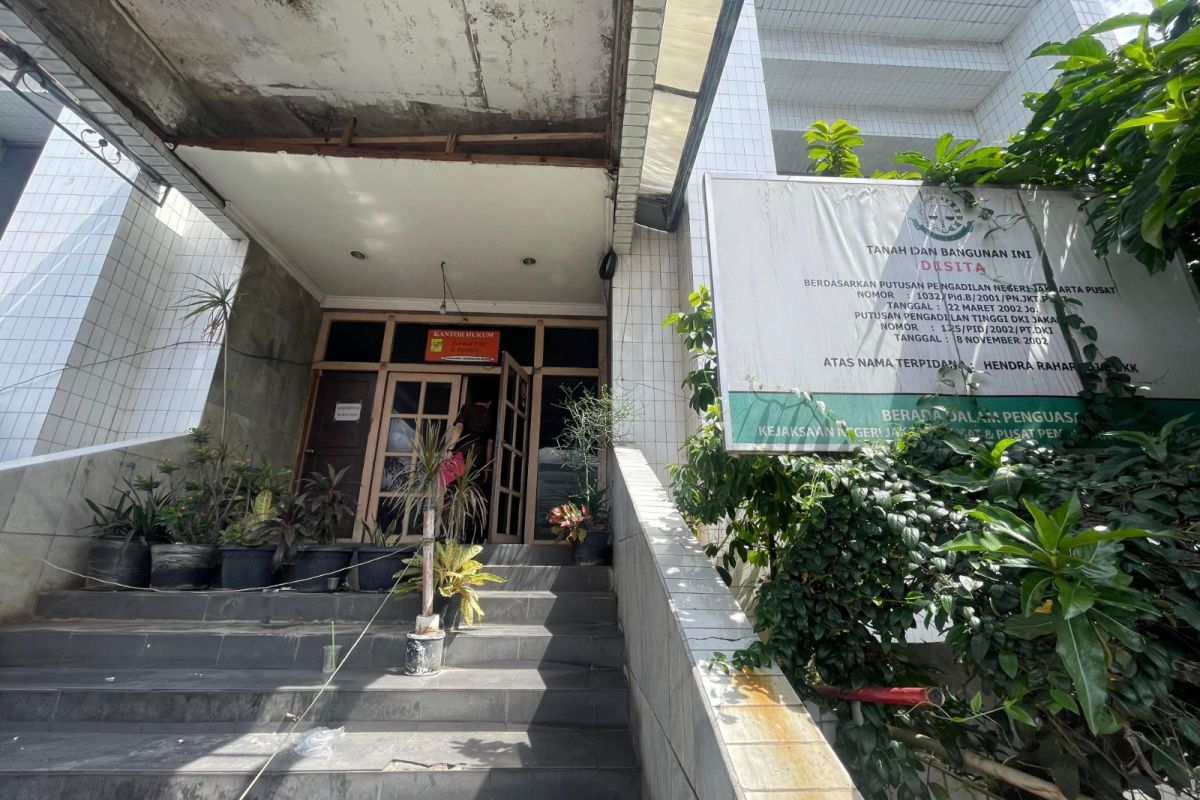
Legal and development observer Hardjuno Wiwoho has suggested that assets in the form of land and buildings, which have been under state control during the handling of the Bank Indonesia Liquidity Support (BLBI) funds, need to be immediately optimised or converted into state revenue.
“This step is necessary so that assets do not lose value, while simultaneously reducing the management costs that must be borne by the state,” Hardjuno stated in a briefing received in Jakarta on Monday.
Hardjuno noted that the BLBI experience should serve as a lesson in strengthening asset recovery mechanisms. He asserted that the state must be transparent when paying its obligations, firm when collecting state rights, and remain subject to legal processes when conducting asset recovery.
He assessed that the resolution of the BLBI issue cannot be measured solely by claims that the government’s obligations to Bank Indonesia (BI) have been settled. The former Senior Expert Staff of the BLBI Special Committee of the Regional Representative Council (DPD) of the Republic of Indonesia stated that there are at least two issues the government needs to clarify following the announcement of the settlement.
First, the resolution of the state’s right to collect from BLBI obligors and debtors. Second, the fate of recapitalisation bond interest payments, which have burdened the State Budget (APBN) for many years.
The government previously stated that it had completed the payment of BLBI bond debts amounting to Rp218.3 trillion to BI as of 24 August 2024. Finance Minister Suahasil Nazara noted that the final payment was made using Non-Tax State Revenue (PNBP) derived from BI’s remaining surplus.
Based on Ministry of Finance data as of October 2024, the BLBI Task Force has acquired assets worth Rp39.32 trillion, or approximately 35.6 per cent of the target for collecting rights amounting to Rp110.45 trillion. Given this position, Hardjuno noted there is still a deficit of approximately Rp71.13 trillion from the target collection that has yet to be recovered.
“This figure indicates that the issue of returning state rights cannot be considered resolved simply because the government’s obligations to BI have been settled,” he said.
He requested that the government provide the latest updates regarding the value of collection rights that have been successfully recovered, as well as the amount that remains the responsibility of obligors and debtors.
Hardjuno stated that recapitalisation bond interest payments are in the range of tens of trillions of rupiah annually; in 2022, the value was approximately Rp50 trillion per year. In 2024, he added, the burden is in the range of Rp50 trillion to Rp70 trillion per year.
“Therefore, the government must explain whether the settlement of the Rp218.3 trillion obligation to BI also impacts the end of recapitalisation bond interest payments or other obligations related to handling the banking crisis,” said Hardjuno.
Hardjuno called for the collection from obligors and debtors to be accelerated. He believes that the settlement of the government’s obligations to BI should instead serve as a momentum to clarify exactly how much state rights still need to be recovered.