
Observer highlights paradigm shift in the protection of Indonesian citizens abroad
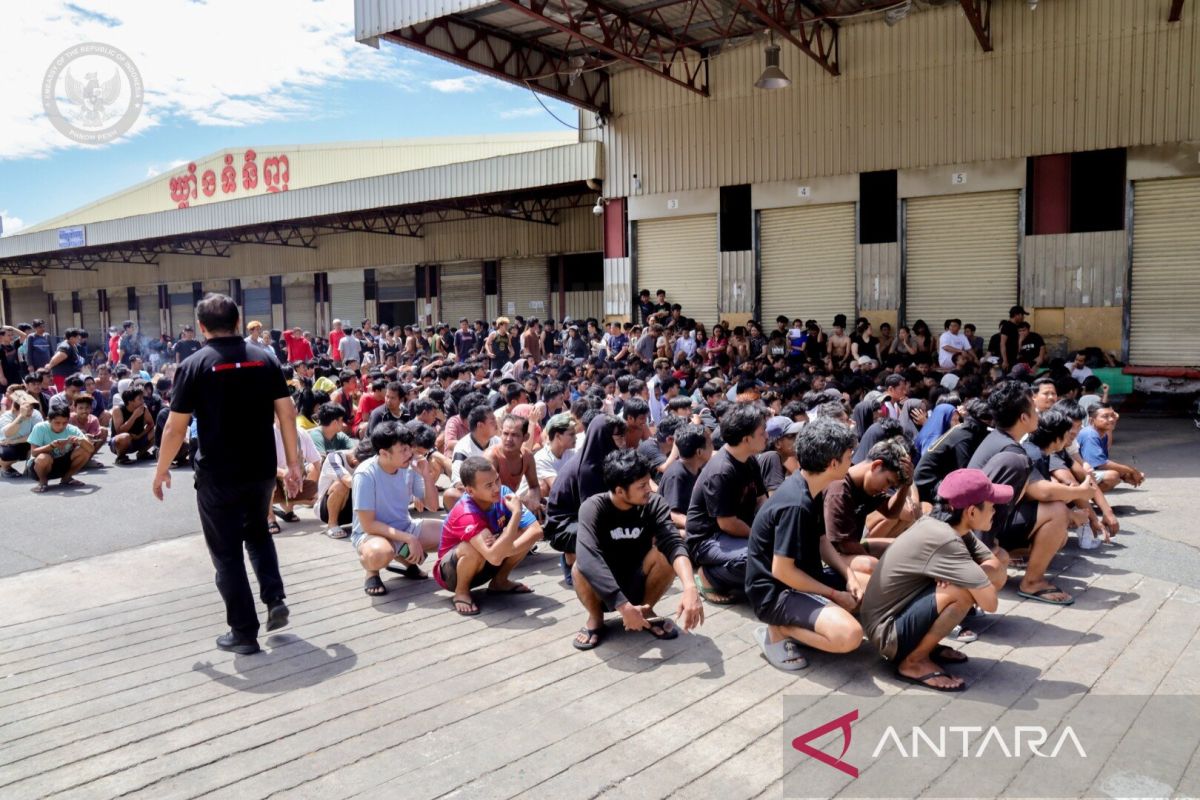
Jakarta (ANTARA) - Andrea Abdul Rahman Azzqy, an International Relations observer from Budi Luhable University, has highlighted a paradigm shift towards the ‘institutionalisation of protection’ when evaluating the achievements of the first two years of President Prabowo’s administration in protecting Indonesian citizens (WNI) abroad.
“Approaching the two-year mark of President Prabowo’s administration, we are seeing a fundamental paradigm shift in Indonesia’s foreign policy,” Andrea told ANTARA in Jakarta on Thursday.
According to Andrea, the protection of Indonesian citizens is no longer merely a ‘firefighting’ instrument used during crises, but has instead been elevated to the institutionalisation of protection.
Andrea emphasised that the crucial point lies in the formation of the Ministry for the Protection of Indonesian Migrant Workers (KP2MI). He noted that, theoretically and practically, this step cuts through the bureaucratic overlaps that previously existed between the regulatory diplomacy functions of the Ministry of Foreign Affairs (Kemlu) and labour-related aspects.
Furthermore, the discourse on limited dual citizenship introduced by President Prabowo indicates that the state is beginning to view the protection of Indonesian citizens through the lens of human capital.
“The state is no longer limiting protection to vulnerable domestic workers, but is also expanding its legal umbrella to bind and protect highly skilled diaspora on the global stage. This is a highly adaptive modern diplomatic step and a long-awaited breakthrough,” he said.
In assessing achievements in the field of protecting Indonesian citizens, Andrea stated that the success of protection diplomacy should not be measured by rhetoric, but by three real quantitative indicators on the ground.
First is the response rate and the safety of evacuations in conflict zones, such as the successful repatriation of 699 Indonesian citizens from online scam networks in Myawaddy, Myanmar, as well as crisis mitigation in the Middle East.
Second is the strengthening of the legal standing of Indonesian representatives abroad, measured by the reduction in the number of Indonesian citizens facing the death penalty through formal legal intervention.
The third indicator is the success of data governance. According to Andrea, digital integration through self-reporting systems must be utilised as a primary instrument.
“The success of registering millions of migrant workers who were previously in a grey area (non-procedural) into an official database is the absolute measure of whether the state is present or absent in protecting the fundamental rights of its citizens,” he said.