
Observer Highlights Indonesia's Challenges as a Transit Country for Refugees
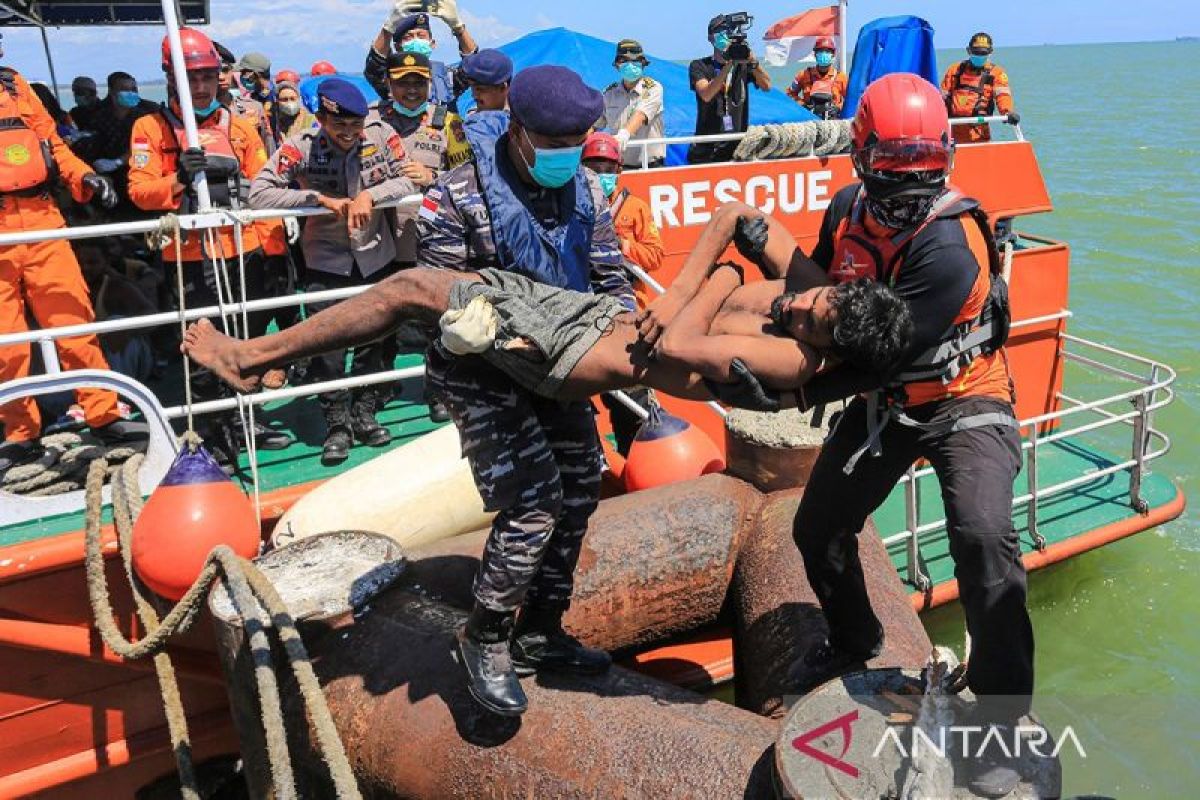
Jakarta (ANTARA) - International relations observer Arie Afriansyah believes that Indonesia faces challenges as a transit country hosting refugees in the long term, as opportunities for their resettlement to third countries become increasingly limited.
“Other challenges include the limited capacity of host regions, the potential for social tension with local communities, and the emergence of human smuggling networks that exploit the refugee situation,” Arie said when contacted by ANTARA in Jakarta on Sunday.
According to him, Indonesia has not ratified the 1951 Refugee Convention and the 1967 Protocol, meaning the national legal framework remains limited, primarily relying on Presidential Regulation (Perpres) No. 125 of 2016 regarding the Handling of Refugees from Abroad.
Arie noted that while this regulation can assist in the initial handling of refugees, it does not fully address long-term issues such as legal status, access to employment, education, healthcare, funding, and the division of authority between central and regional governments.
He also stated that Indonesia must continue to respect humanitarian principles and the principle of non-refullement: not returning someone to a place where they risk facing persecution or serious threats.
“Therefore, the approach cannot focus solely on border security, but must integrate legal, humanitarian, diplomatic, and regional cooperation aspects,” he said.
Furthermore, Arie stated that Indonesia cannot rely solely on resettlement solutions in Australia, as Australia’s refugee intake is limited and must be shared to meet the needs of refugees worldwide. This limitation leaves many refugees in a state of prolonged uncertainty in Indonesia.
When asked whether Indonesia could reduce the influx of refugees, the professor from the University of Indonesia’s Faculty of Law said the Indonesian government needs to strengthen regional cooperation, particularly through ASEAN, the Bali Process, UNHCR, IOM, Australia, and other transit countries.
“The focus should be on breaking human smuggling networks, strengthening information exchange, and conducting information campaigns so that prospective refugees are not easily deceived by promises that Indonesia is a fast track to Australia,” he said.
Arie emphasised that efforts to reduce the influx of refugees into Indonesia should not be carried out by closing off access to protection for those in need of asylum.
In his view, Indonesia needs to strengthen early detection mechanisms, registration, handling at points of arrival, and diplomatic cooperation so that the responsibility is not placed solely on Indonesia as a transit country.
He added that Indonesia could promote more long-term solution schemes, including resettlement to third countries, voluntary repatriation when conditions in the country of origin are safe, and complementary pathway schemes such as education, training, or humanitarian sponsorship.
“Indonesia must continue to fulfil its humanitarian obligations, but destination countries and the international community must also take a more tangible part in funding, resettlement, and long-term solutions for refugees,” he said.
Echoing Arie’s sentiments, international relations observer Teuku Rezasyah also stated that Indonesia could strengthen public diplomacy and increase surveillance in various regions so that Indonesia does not become a target for refugees.
According to Reza, Indonesia could consult with the UN so that the regions of origin for refugees could become target areas for the Sustainable Development Goals (SDGs) practices of developed nations, tailored to their specific development needs.
Indonesia could also consult with the UN so that the UNHCR and IOM implement empowerment programmes for refugees in Indonesia, enabling them to meet the requirements set by Australia, Reza added.