
Observer Highlights Importance of Strengthening Civilian Values in National Character Building
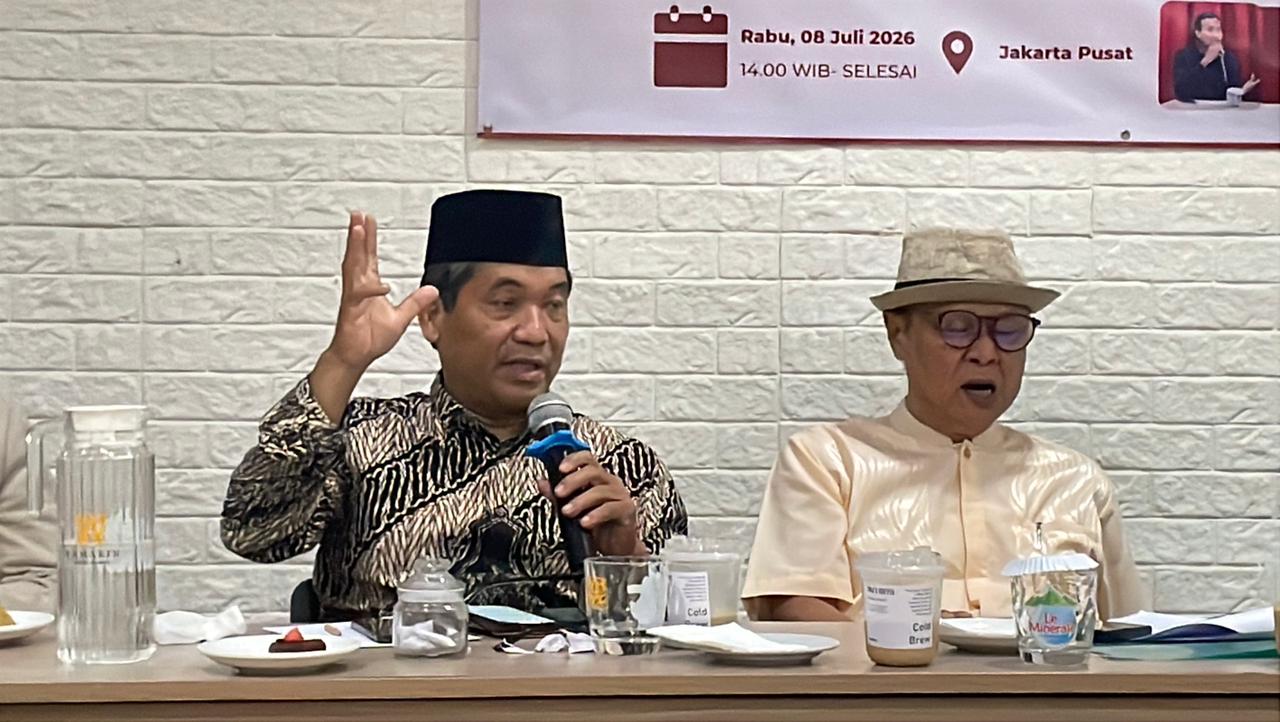
Executive Director of Lingkar Madani (LIMA) Indonesia, Ray Rangkuti, shared his views on the trend of institutional relations in Indonesia during an academic forum. He assessed that conventional sectoral influence models, such as physical intervention or classic coups occurring in some developing countries, are now very difficult to happen in Indonesia. However, he suggested that the public observe the phenomenon of the increasingly widespread adoption of sectoral value standards in the civilian public sphere. “In the modern era, this influence moves through a systemic approach by entering formal state instruments legally without instruments of violence. Our focus now is how to ensure that the portions and functions of each institution continue to run according to their original purpose,” said Ray Rangkuti in a public discussion titled “Military, Business, and Politics: Lessons from Military Coups in Various Countries” in Central Jakarta, Wednesday (8/7/2026). Ray elaborated on the fundamental difference between the physical placement of personnel in the civilian domain and the internalisation of values or a defence perspective into the non-military ecosystem. According to him, when the success parameters of civilian programmes—such as discipline, ethics formation, character building, and state defence programmes—begin to be standardised with defence-oriented standards, this signals a shift in perspective that needs evaluation. He cited the example of a policy involving the training of Merah Putih Village Cooperative (Kopdes) managers in semi-military programmes under the pretext of strengthening discipline and mental resilience. Ray views that methods for character building and organisational discipline in civilian institutions should ideally be developed independently using general professional management approaches without always having to adopt patterns from the defence sector. Meanwhile, Professor of Constitutional Law at Muhammadiyah University Jakarta, Ibnu Sina Chandranegara, who was also a speaker, provided notes from a constitutional law perspective regarding institutional strengthening after the reform era. He outlined several important points requiring governance attention, including the continuation of the transfer process and transparent audit of TNI business units as mandated by Article 76 of TNI Law Number 34 of 2004 to ensure the optimisation of the defence budget. Ibnu also highlighted the need for caution regarding the trend of placing active personnel in civilian bureaucratic structures to avoid overlapping administrative functions. On the other hand, he encouraged the strengthening of the DPR’s oversight function regarding budget aspects and defence doctrine so that it is not merely procedural-formal but can operate functionally and substantively. Economic independence and professional governance are considered key anchors for institutional professionalism.