
Observer: Harbolnas must benefit MSMEs, not just transactions
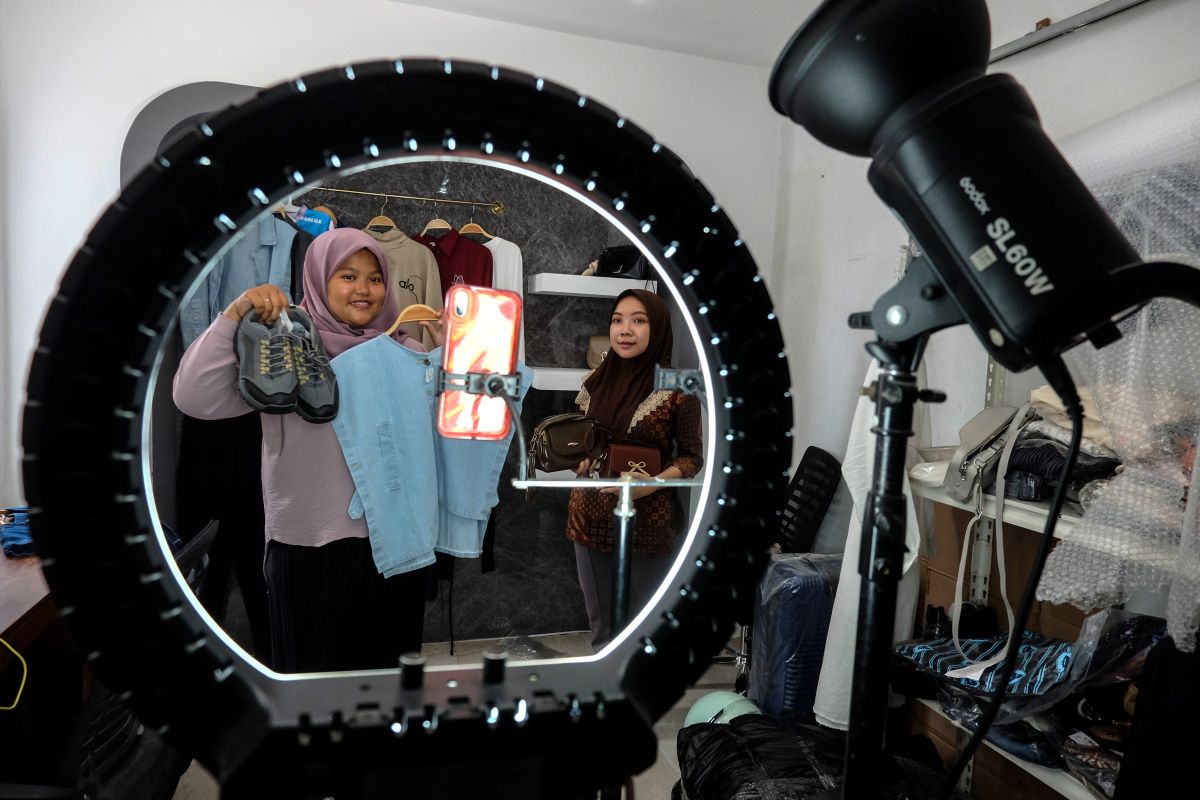
University of Indonesia economist Heru Sutadi has said that the National Online Shopping Day (Harbolnas) needs to be directed towards strengthening micro, small, and medium enterprises (MSMEs) and expanding the market for local products, rather than merely chasing higher transaction values.
According to Heru, the government and e-commerce platforms need to ensure that the high level of shopping activity during Harbolnas delivers direct benefits to MSME players through increased sales, market expansion, and strengthened business capacity.
“Harbolnas will be more meaningful if the money circulating truly goes to MSMEs and regional economies, not just boosting platform transaction figures,” Heru told ANTARA in Jakarta on Friday.
He said Harbolnas could serve as a momentum to encourage more MSMEs to enter the digital ecosystem, enabling them to reach consumers beyond their operational areas.
Such market expansion could ultimately increase the scale of businesses while enlarging economic turnover in the regions.
To that end, Heru urged the government to strengthen its support for local products by providing greater space for MSME products on digital platforms.
The government also needs to strengthen the onboarding process so that more business actors are able to enter and survive within the digital trade ecosystem.
Beyond market access, support for MSMEs needs to encompass digitalisation, logistics, and payment systems.
Such infrastructure is important so that business actors not only gain access to platforms but are also able to meet consumer demand when transaction surges occur.
“The government should not just be a cheerleader on the sidelines by only chasing transaction values, but must look at who is enjoying those transactions. Harbolnas must become a momentum to boost MSME sales, local products, and expand regional markets,” he said.
On the other hand, Heru assessed that Harbolnas’ relevance needs to be strengthened because large promotional campaigns on digital platforms now take place almost throughout the year through various discount programmes and double-date moments.
This situation means Harbolnas no longer has the special character it possessed when it first emerged.
Therefore, according to him, Harbolnas needs to have a stronger added value, one of which is by making MSMEs and local products the primary beneficiaries.
“Harbolnas should not just become a festival of transaction figures. If people are indeed holding back on spending, don’t force them to appear consumptive just because of discounts,” he said.
Heru stressed that the success of Harbolnas should not only be measured by the size of transaction values, but also by its impact on MSME sales, the expansion of local product markets, and regional economic turnover.
He said Harbolnas could develop from merely a promotional momentum into an instrument for strengthening the digital trade ecosystem and encouraging more sustainable MSME growth.