
Observer: Expansion of Asset Forfeiture Bill Scope Must Be Handled with Caution
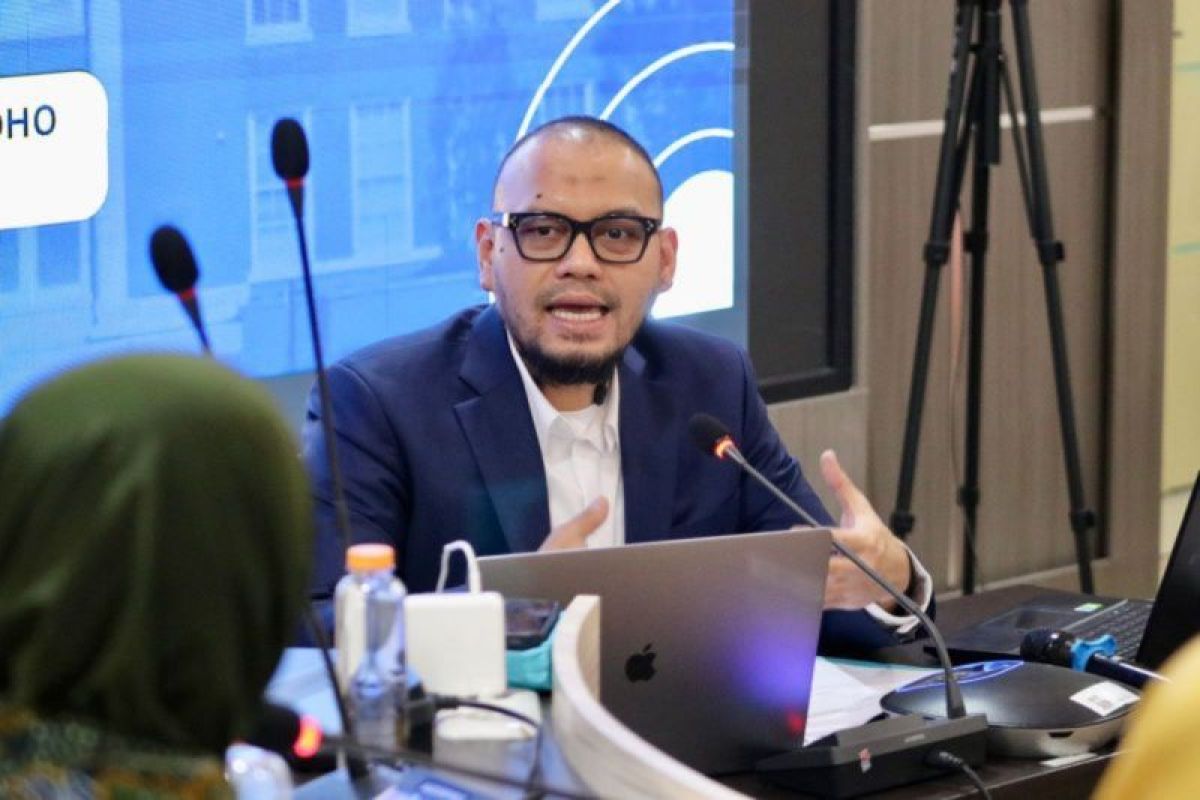
Jakarta (ANTARA) - Legal and development observer Hardjuno Wiwoho has warned that the expansion of the scope of the Asset Forfeiture Bill to 13 types of criminal offences must be accompanied by caution in the formulation of its articles, even though it represents a step forward.
He stated that no matter how strong a legal instrument is, it risks being misused if it is not bound by the principles of due process of law. “Asset forfeiture must be based on strong evidence and transparent oversight mechanisms. We must ensure that legal instruments do not transform into tools for political interests,” Hardjudo said in a statement in Jakarta on Tuesday.
The 13 criminal offences to be regulated include corruption, narcotics, terrorism, human trafficking, arms smuggling, forestry, environmental crimes, taxation, banking, insurance, mining, maritime/fisheries, and human trafficking.
It was emphasised that the Draft Law (RUU) on Asset Forfeiture must possess the dimension and spirit of corruption eradication, in line with the commitment of President Prabowo Subianto. “Therefore, do not play around with this Bill,” he asserted.
Consequently, he emphasised that the expansion of these criminal objects should focus on heavy crimes involving significant state losses, rather than targeting minor offences that could potentially ensnare ordinary citizens. He argued that clear boundaries regarding the scale of losses and the types of crimes would strengthen the Bill’s legitimacy in the eyes of the public while allaying concerns raised by various parties.
Hardjuno also reminded the House of Representatives (DPR) and the government that they must not stop at the stage of mere discourse or a list of proposals, as the public is currently demanding concrete, article-by-article discussions, given that trust in anti-corruption law enforcement continues to erode alongside the decline of Indonesia’s Corruption Perception Index in recent years.
“The point is, do not let this Bill become a political weapon. It must be ensured that this Bill does not practice selective enforcement in combating criminal acts,” Hardjuno stated.
He acknowledged emerging public concerns that ordinary citizens could potentially be subject to asset forfeiture mechanisms even if they are not state officials. Habiburokhman asserted that this is in line with the constitution, which upholds the principle of equality before the law.
“Anyone who commits a legal violation must face sanctions regardless of their official background,” Habiburokhman said in Jakarta on Monday (31/8).
According to him, the future application of these regulations must be non-discriminatory and free from selective enforcement, ensuring they do not target the common people while major criminals escape the reach of the law.