
Observer: Electric Vehicles are the Foremost Option for Energy Security
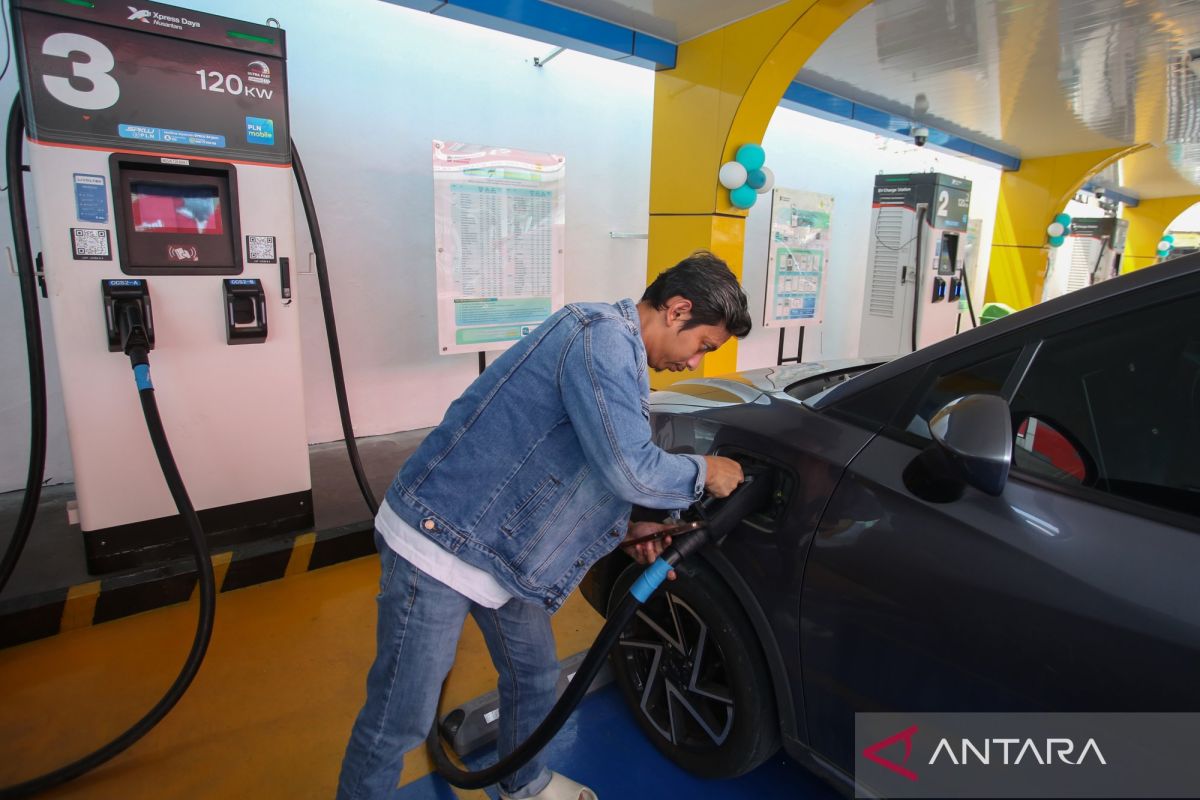
In supporting energy security, electric vehicles remain the foremost option.
Putra Adhiguna, Managing Director of the Energy Shift Institute (ESI), believes that electric vehicles are the leading choice for supporting energy security in Indonesia when compared to biofuels (BBN).
“In supporting energy security, electric vehicles remain the foremost option,” Putra stated when contacted by ANTARA in Jakarta on Saturday.
Putra compared biofuels with electric vehicles. He believes that if solar power plants (PLTS) were allocated just 6 per cent of the area currently used for palm oil plantations, such plants could produce twice the amount of electricity currently produced by PLN.
This amount, he continued, would be more than sufficient to support all electric vehicles in Indonesia, provided that all vehicles transitioned to electric power.
Meanwhile, for biofuels, the government would need to clear new land to meet raw material requirements.
“It is true that Brazil has high ethanol production, but this is because they allocate their plantation land to sugarcane. Meanwhile, approximately 60 per cent of Indonesia’s plantation land is already used for palm oil,” said Putra.
Therefore, Putra assessed that expanding raw material production would not be easy without large-scale deforestation.
“Thus, it is important for the government to compare the available options carefully and transparently,” Putra added.
Minister of Industry Agus Gumiwang Kartasasmita stated that the government has begun reviewing electric vehicle incentive programmes, considering the level of Domestic Component Level (TKDN) as one of the bases for providing such incentives.
Agus mentioned that he received direction from the Coordinating Minister for Maritime Affairs and Investment, Luhut Binsar Pandjaitan, to begin calculating and studying incentive programmes that can encourage an increase in the TKDN of electric vehicles.
According to Agus, the higher the TKDN value of a product, the greater the government’s attention, including in the preparation of incentives.
Agus stated that the Ministry of Industry will soon design the programme and coordinate with relevant ministries.