
Observer: Efforts to Strengthen Natural Resource Export Governance Deserve Support
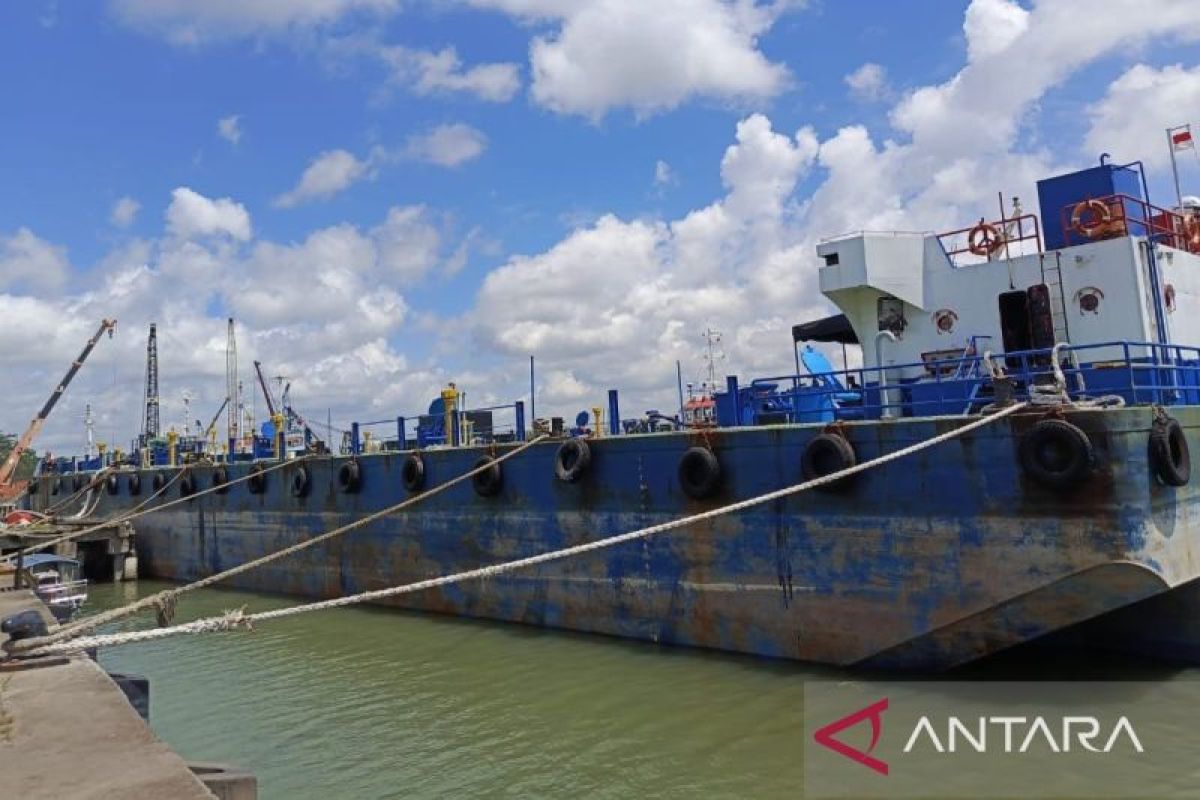
It is time for practices that harm the state to be regulated. Jakarta (ANTARA) - State-owned enterprise observer Arief Poyuono believes that the government’s step to strengthen the governance of strategic natural resource (SDA) commodity exports through Danantara Sumberdaya Indonesia (DSI) is an effort that deserves support.
According to him, various issues in export trade, including under-invoicing practices, have persisted for years without receiving serious attention. “If the government now intends to fix export governance, I believe it is a good step. The issue of under-invoicing is not new; it has been a problem for decades and has caused significant losses to the state,” he stated in Jakarta on Wednesday.
Arief explained that the practice of under-invoicing in exports involves businesses reporting export values or volumes lower than the actual conditions. This practice has the potential to reduce state revenue, decrease export-derived foreign exchange entering the country, and create unfair business competition.
He highlighted various studies showing that the accumulated value of exports reported lower than actual realisation reached approximately US$908 billion, or equivalent to more than Rp15,000 trillion, between 1991 and 2024. “If the leakage figure is that large, we certainly cannot consider this a small matter,” he said.
Arief expressed surprise that such practices had not become a major debate for many years, yet now that there are efforts to improve and increase transparency, much doubt has emerged. He argued that the government and Danantara need space to carry out their assigned mandates, making it too early to conclude the impact of the policy before implementation and objective evaluation can take place.
“Danantara has only just been tasked with strengthening export governance. Let us see the implementation and the results. If there are indeed shortcomings, they can be improved. But we should not assume negative outcomes before the process has even begun,” he said.
He added that the primary goal of the policy is to create a more transparent, accountable, and integrated commodity trading system. With better governance, he continued, Indonesia’s position as a major exporter of various strategic commodities is expected to strengthen in the global market.
He also emphasised that the enforcement efforts are not aimed at compliant businesses, but rather at practices that have the potential to harm the state and create market distortions. “What needs to be understood is that this is not about making business more difficult. On the contrary, the goal is to create a healthier level playing field. It is time for practices that harm the state to be regulated, and non-compliant businesses to be dealt with firmly,” said Arief.
According to him, as long as the policy is implemented transparently, gradually, and while maintaining business certainty, the business community does not need to fear the government’s efforts to strengthen the governance of national strategic commodity exports. “Ultimately, Indonesia will benefit. Foreign exchange will be more optimal, governance will improve, and international market confidence in Indonesian commodities will also strengthen,” he concluded.