
Observer Discusses Severe Congestion at Ketapang-Gilimanuk Ferry Crossing
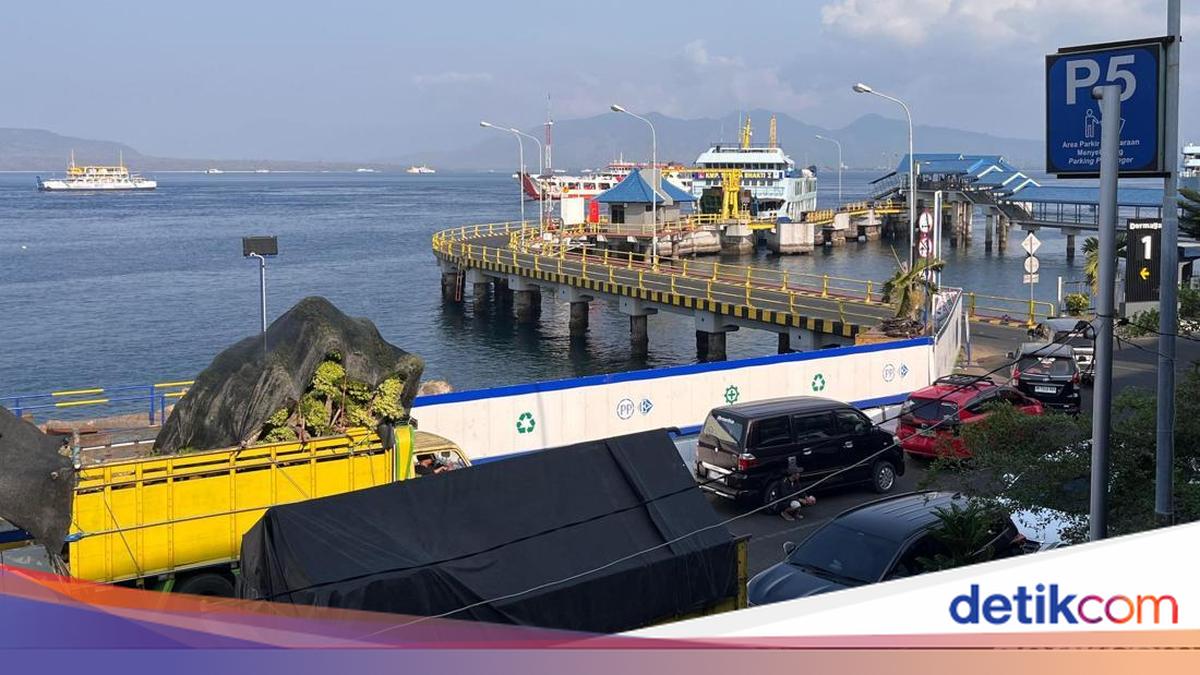
Severe vehicle queues and heavy congestion frequently occur at the Ketapang Port crossing in Banyuwangi, East Java. This situation is considered to have a significant impact on the economic activities of both Java and Bali.
Transport observer Djoko Setijowarno revealed that managing this congestion cannot be the responsibility of a single party. According to him, improving the Ketapang-Gilimanuk crossing involves many elements, ranging from regulators, port managers, and ship operators to the police, local governments, and service users.
“Technically, this is all due to issues with network and node optimisation, and overcoming it requires cooperation from all parties. If this is done, God willing, the congestion will be resolved,” said Djoko in a statement, as quoted from detikFinance, Saturday (3/10/2026).
Djoko noted that traffic flow regulation towards Ketapang Port should be implemented from the upstream source, rather than waiting for vehicles to pile up in front of the port entrance. He urged the government and authorities to prepare traffic engineering, holding areas, logistics fleet management, and early warning systems for when vehicle volumes begin to increase.
The Ketapang-Gilimanuk route, he stated, is a primary passage for basic commodities and industrial needs to Bali and Nusa Tenggara (Nusra). The dominance of large trucks requires longer loading and unloading times and occupies significant dock and road space.
He subsequently highlighted the existence of Zero Over Dimension Over Loading (ODOL) vehicles, which need to be controlled before entering the port. Djoko said that unresolved issues on the road should not be allowed to accumulate at the port gates.
“In this regard, the division of responsibility must be clear. Regulators regulate and supervise, the police maintain traffic and security, Local Governments support regional management, while port managers and ship operators ensure that ferry services run optimally,” added Djamente.
On the other hand, Djoko stated that increasing infrastructure capacity must be part of the long-term solution. In his view, freight trucks often pile up on the highways around the port because parking pockets (buffer zones) or temporary holding areas before entering the port area are not yet optimal.
This condition causes queues that not only paralysed the Ketapang-Gilimanuk crossing flow but also triggers tailback congestion on the national Pantura highway from Situbondo to Banyuwangi. Therefore, he continued, infrastructure related to these parking pockets is also required.
“However, infrastructure development must be accompanied by improvements in traffic regulation, operational patterns, and upstream vehicle management,” concluded Djoko.