
Observer: Digital Platform Workers Require Their Own Specific Protection Regulations
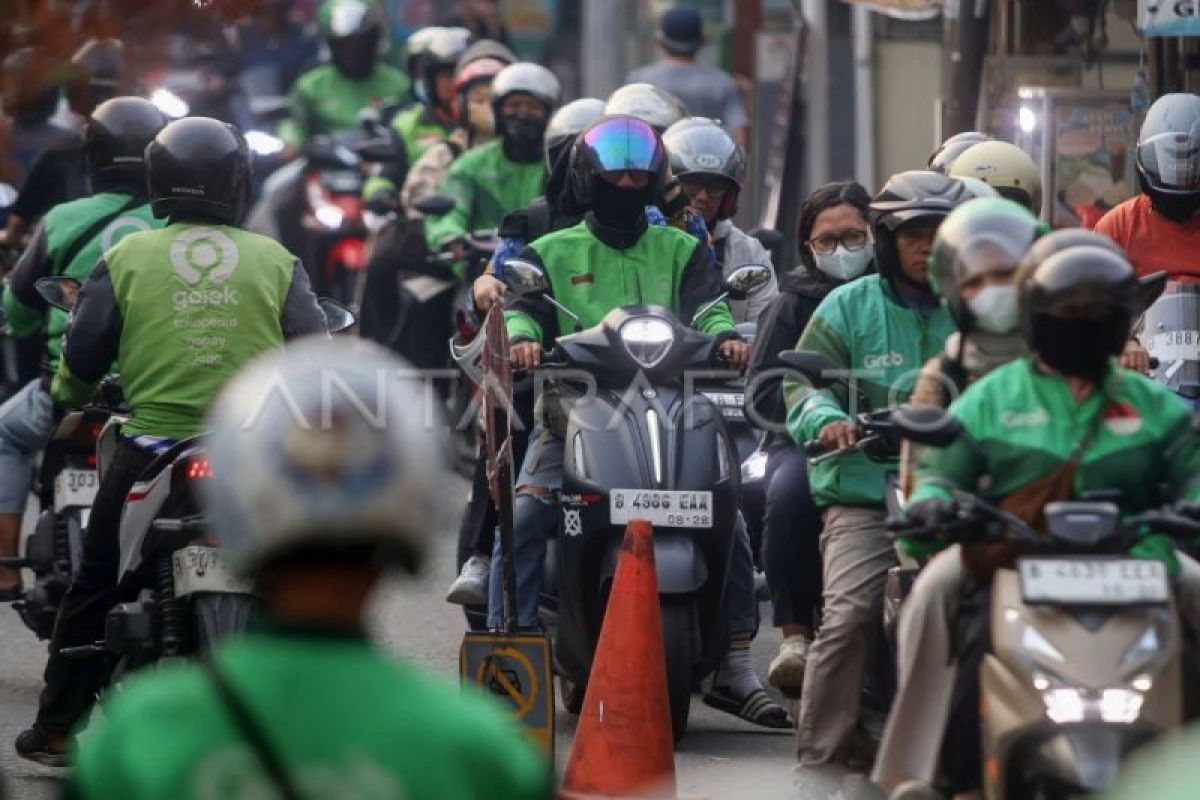
Jakarta (ANTARA) - Piter Abdullah, an observer from the Prasasti Center for Policy Studies, believes that digital platform or gig workers need their own specific protection regulations without being categorised under the Draft Labour Protection Bill.
During a discussion in Jakarta on Friday, Piter stated that gig workers differ from employees who have a formal employment relationship. Gig workers are essentially independent workers who utilise labour, time, expertise, or capital to produce works or services based on orders.
Gig workers include platform workers such as freelancers, online motorcycle taxi drivers, logistics couriers, service providers on digital platforms, and content creators. Piter distinguishes independent workers from employees who work based on a relationship with an employer.
In the case of independent workers, the relationship with the party using their services is based on orders, whether written or verbal. In the context of platform-based workers, he assessed that platforms cannot be directly positioned as employers because their function is to help connect workers with service requesters or buyers.
Piter believes that social protection, safety, transparency, and dispute resolution mechanisms still need to be strengthened. However, such protection should not be translated through a change in status to formal employees or the application of rights and obligations that substantially resemble a formal employment relationship.
“The ultimate goal remains protection. However, the design of that protection must follow the character of the work,” he said. According to him, gig workers choose an independent work pattern with the consequence of having the flexibility to determine their own working hours. Therefore, the form of welfare and protection provided to gig workers needs to be adjusted to these characteristics.
He assessed that equating gig workers with employees could instead create new problems, including reduced public access to platform-based work. He supports the government in drafting labour protection regulations, but believes gig workers need to be regulated under separate regulations so that the provisions align with the relationship between the worker, the platform, and the requester.
Piter emphasised that protection is necessary for all—whether for employees, independent workers, or entrepreneurs—but the form of protection cannot be standardised.
At the same event, online motorcycle taxi driver Firmansyah stated that he supports the status of online drivers as partners rather than employees. According to him, flexibility and the ease of joining are the reasons many people choose digital platforms as a source of income.
His concerns, he continued, are not only about changing the partnership status to a formal employment relationship. According to Firmansyah, similar issues could arise if the partner status is maintained, but the rights, obligations, and management mechanisms are made to resemble those of permanent employees. Such conditions are seen as potentially narrowing public access to becoming partners.
“If working hours are regulated, orders are limited, or the number of drivers is reduced, the question is simple: those who cannot join, where will they find income?” he said.
The House of Representatives (DPR RI) is currently discussing the Draft Labour Protection Bill, which was approved as a DPR RI initiative proposal in the Plenary Session on 7 August 2026 and has entered the 2025-2029 National Legislative Program (Prolegnas). The Bill includes a specific chapter regarding digital platform workers. The Draft Labour Protection Bill is targeted to be passed into law by October 2026.