
Observer: Cycle lanes must be managed, not merely built
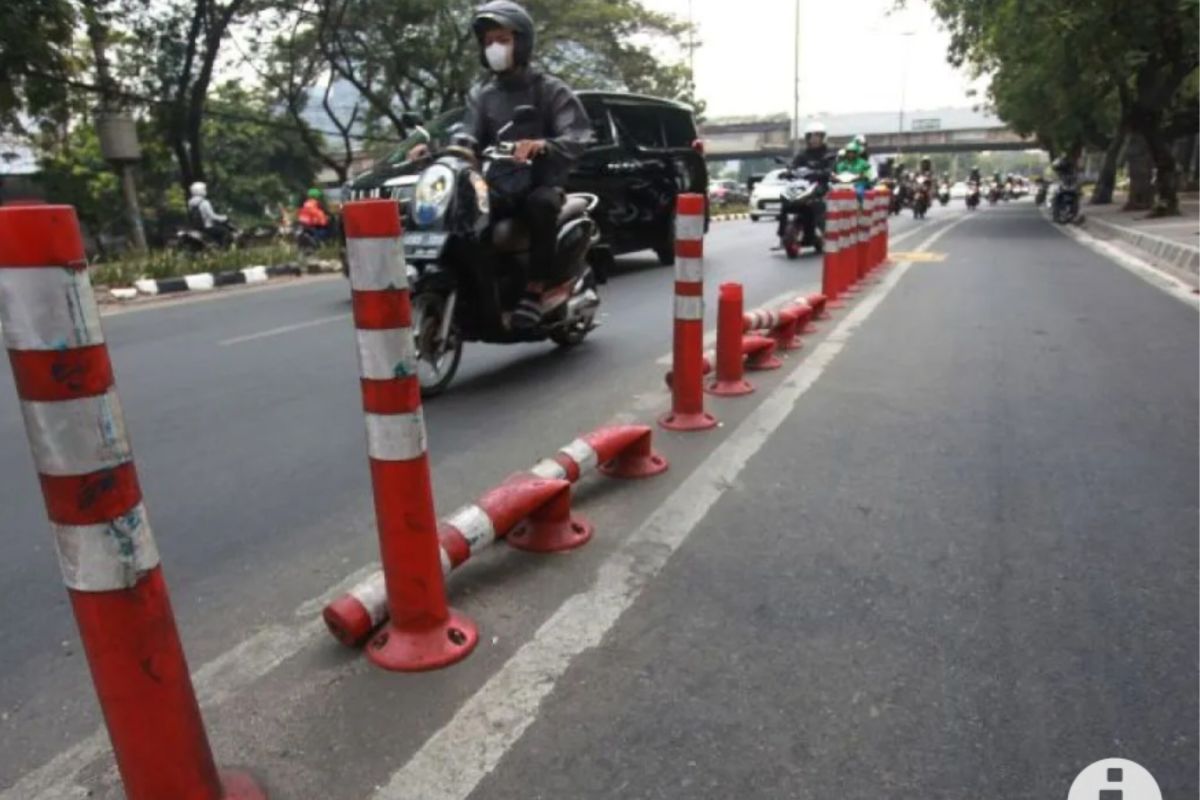
Jakarta (ANTARA) - Djoko Setijowarno, an observer from the Indonesian Transport Society (MTI), has said that the presence of cycle lanes in urban areas cannot be judged simply as necessary or unnecessary, but must be viewed in terms of function, integration and commitment to their management. “The question of whether cycle lanes are needed in urban areas cannot be answered with a simple yes or no; rather, it depends on their function, integration and management commitment,” Djoko said in Jakarta on Saturday. According to Djoko, cycle lanes built merely as a formality without careful planning risk being ineffective. Conversely, if designed strategically, cycle lanes can become an important long-term investment for the urban transport system. He also considers cycle lanes to be a crucial facility in supporting urban mobility. He explained that cycle lanes play a role in improving road user safety by separating cyclists from high-speed motor vehicles. This separation is seen as capable of reducing the risk of fatal accidents. In addition, cycle lanes can be one solution for easing congestion while reducing carbon emissions by encouraging the use of micro-mobility modes for short-distance trips. Djoko added that the availability of safe cycle lanes can also encourage the public to adopt an active lifestyle. The facility also expands accessibility for people who do not use private motor vehicles. On the other hand, cycle lanes have an important role in supporting public transport connectivity, particularly for first-mile and last-mile journeys. “The bicycle is an ideal feeder mode connecting residential areas with mass transit stations or stops, such as the Commuter Line, LRT, MRT and TransJakarta,” Djoko said. According to him, cycle lanes integrated with public transport allow people to switch modes more easily and efficiently without having to depend on private motor vehicles. From the perspective of space use, Djoko considers bicycles to be far more efficient than private cars because they require less road space. He said the dominance of private vehicles with a single occupant, or single-occupancy vehicles, is one of the factors worsening congestion in urban areas. He added that shifting from motor vehicles to bicycles can not only help reduce air pollution, including PM2.5 and carbon dioxide (CO2), but also encourage people to be more physically active and lead healthier lifestyles.