
Observer: Creative Economy and BUMD Collaboration Are Strategies for Jakarta to Become a Global City
Jakarta (ANTARA) – The development of the creative economy, hosting international-scale events and strengthening collaboration between regional-owned enterprises (BUMDs) are considered potential strategies for the Jakarta Provincial Government to reinforce the capital’s position as a global city.
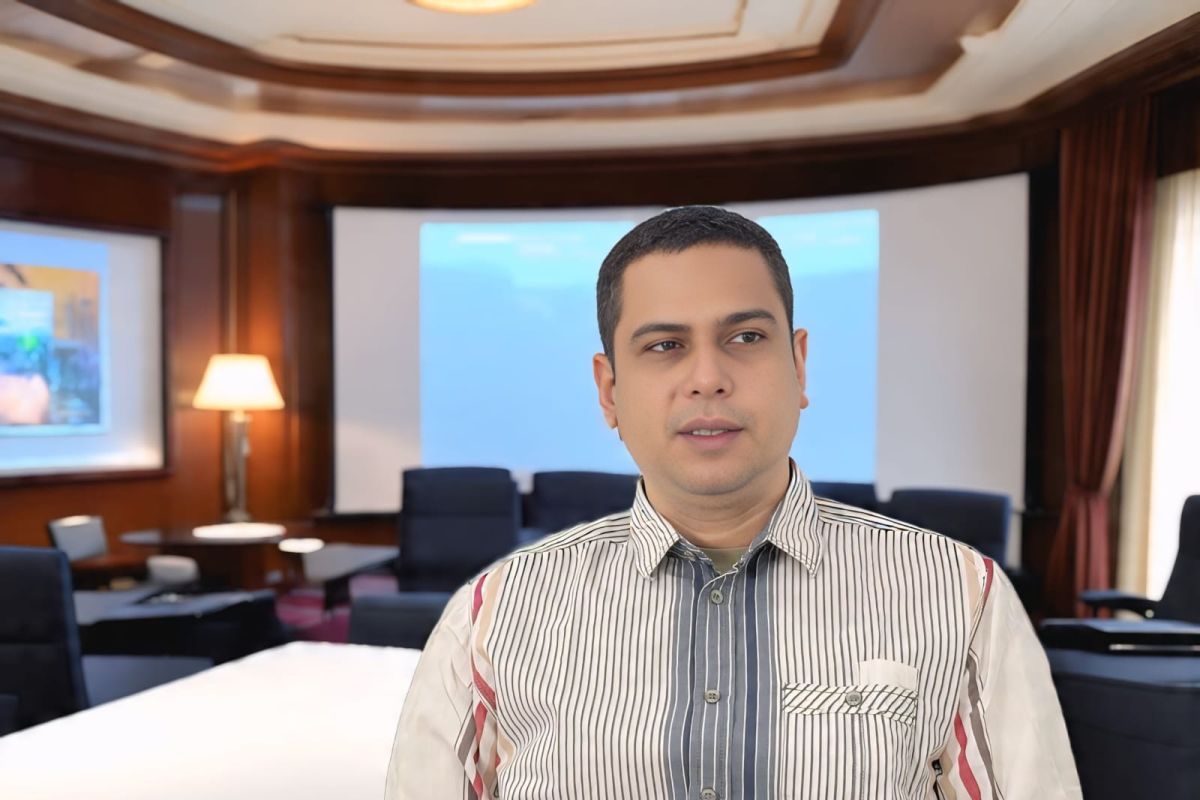
Jakarta urban policy observer Zulfikar Marikar said in a statement in Jakarta on Friday that these measures could give Jakarta opportunities to broaden economic growth and improve its competitiveness regionally and internationally.
Jakarta’s transformation into a national economic centre and global city, as mandated by Law No. 2 of 2024 on the Special Region of Jakarta Province, requires an economic strategy that does not rely solely on government, but also involves businesses and the public.
Statistics Indonesia (BPS) data show that Jakarta’s economy grew 5.52 per cent year on year in the second quarter of 2026. This growth is an important asset in maintaining Jakarta’s role as one of the main drivers of the national economy.
“With an economic structure supported by trade, finance, construction and services, Jakarta has a significant opportunity to continue developing new sources of growth,” Zulfikar said.
He added that the Jakarta Regional Budget (APBD) for 2026 had been set at around Rp81.32 trillion, down from Rp91.86 trillion in 2025. This situation calls for the development of economic growth sources involving a range of parties, including businesses, the public and government.
One opportunity to strengthen Jakarta’s economy is the Jakarta International Marathon (JAKIM), which was reported to have generated an economic impact of more than Rp255 billion through activity in hotels, transport, food and drink, retail and other supporting services.
The Jakarta Running Festival (JRF) 2026 and the Ye Live concert are also expected to generate total economic activity of around Rp625 billion. JRF 2026 is projected to contribute Rp175 billion through the participation of micro, small and medium-sized enterprises (MSMEs) and local brands, while the Ye Live concert is expected to generate around Rp450 billion in economic activity.
“Events of this kind are strategically valuable because they bring city promotion together with tangible economic activity,” Zulfikar said.
These contributions demonstrate the significant potential of the creative economy — from music, fashion and food to digital businesses — within the city’s economic structure.
Zulfikar said the sector’s development should be supported by better access to finance, improved workforce skills, intellectual property protection, spaces for creative work and wider market access.
Fiscal policy can also help develop the industry. One example is Jakarta Governor’s Decree No. 591 of 2026, which provides a 50 per cent reduction in the Specific Tax on Goods and Services (PBJT) for screenings of Indonesian films, effective from 1 July 2026.
Alongside the creative industries, Zulfikar said, strengthening regional-owned enterprises (BUMDs) and state-owned enterprises (BUMNs) is part of the strategy to expand financing capacity for Jakarta’s development.
The Jakarta Provincial Government previously announced 15 strategic cooperation agreements between BUMNs and BUMDs, with a potential value of around Rp5.87 trillion. The areas of cooperation include electrifying the Transjakarta fleet, developing pedestrian facilities in Dukuh Atas and various forms of financing.
“The cooperation demonstrates Governor Pramono Anung’s astuteness in seizing opportunities to expand development financing capacity while encouraging the modernisation of urban services,” Zulfikar said.
He added that collaboration between BUMNs and BUMDs could complement government financing and broaden business participation in development. Its potential would be greater if each project had clearly allocated roles, thorough planning and measurable benefit targets.
However, he emphasised the importance of professional governance at BUMDs, transparent reporting on project progress and measurement of realised investment, so the public can clearly understand the benefits of the partnerships.
Zulfikar stressed that Jakarta’s success in becoming a global city should not be measured solely by economic growth and investment totals. Development outcomes should also be assessed through job creation, MSME development, local business income and productivity, and inflation control.
The target of placing Jakarta among the world’s 50 global cities by 2030, he said, must be supported by improvements in human resources, infrastructure, governance, the business environment and inclusive public services.
Through the development of the creative economy, international events and sustainable BUMD collaboration, Jakarta has an opportunity to strengthen its competitiveness and increase its contribution to regional and international economic networks, he added.
Source: jawawa.id (https://jawawa.id/newsitem/observer-creative-economy-and-bumd-collaboration-are-strategies-for-jakarta-to-become-a-global-city-1793343218)
Originally published by Antara (Indonesian) (https://www.antaranews.com/berita/5821263/pemerhati-ekonomi-kreatif-dan-kolaborasi-bumd-strategi-jakarta-jadi-kota-global), translated from Indonesian