
Observer calls for social media algorithm transparency to prevent alleged ‘shadowbanning’
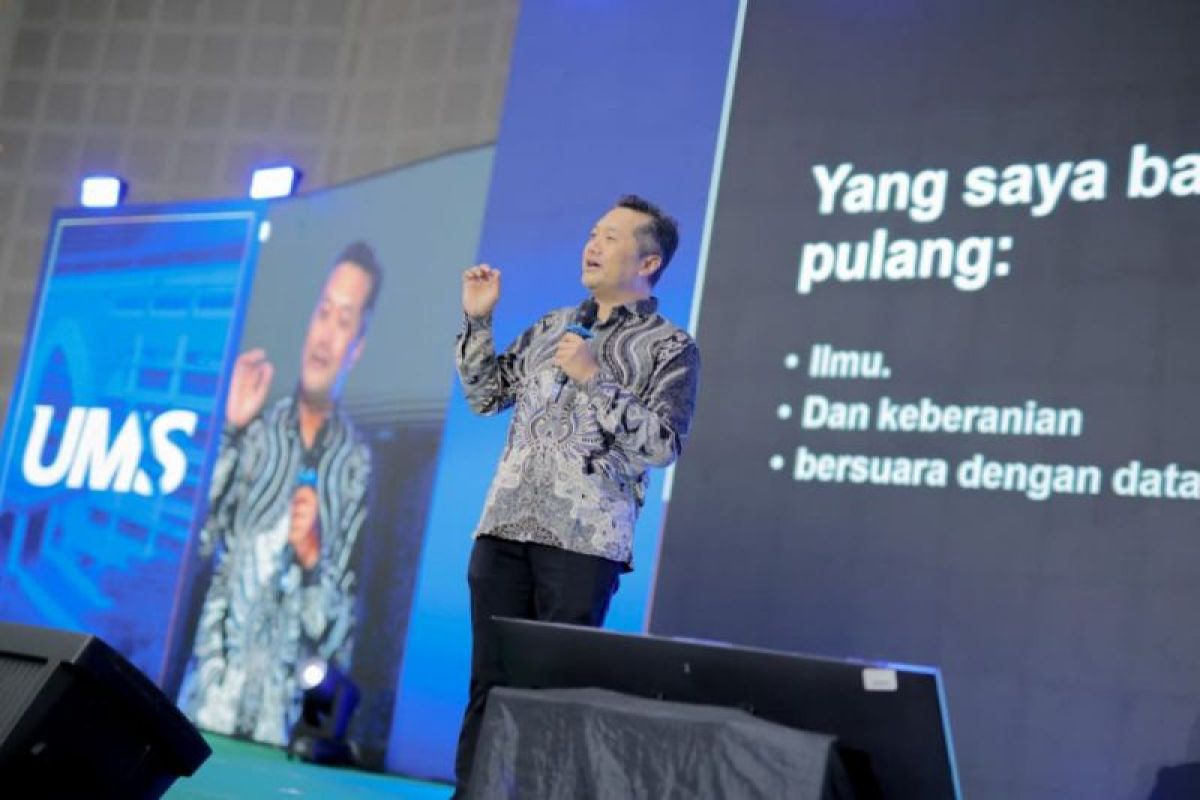
Jakarta (ANTARA) – Social media analyst and Drone Emprit developer Ismail Fahmi says transparency over social media platforms’ algorithms is urgently needed to prevent suspected restrictions on the reach of content, or the shadowbanning of public discussion, which are difficult to verify independently.
Speaking to ANTARA in Jakarta on Thursday, Ismail cited accusations of shadowbanning against Meta that drew attention during Brazil’s election. He said such claims were difficult for outsiders to prove or disprove, because users can see a drop in reach but cannot determine its cause.
“When there is no official explanation, the public fills the gap with its own suspicions,” Ismail said.
He linked the issue to discussion of forest and land fires in Indonesia. Suspected limits on content reach have prompted accusations against the Ministry of Communication and Digital Affairs (Komdigi), although the ministry says it has never requested that content be blocked.
Ismail said uncertainty over how content is distributed could further erode public trust in the government. He also highlighted Meta AI’s tendency to follow the direction of users’ questions, which could make a chatbot’s answers appear to validate unproven accusations.
“Meta must therefore explain how its algorithms work, which content has its reach reduced, under what rules, and at whose request,” he said.
Transparency, Ismail said, does not mean platforms must disclose their algorithmic source code, but they should provide data that can be audited by independent parties. Such information is needed so the public can assess whether content restrictions result from a platform’s internal policies, government requests or other factors.
He proposed several measures to strengthen platform accountability, including regular independent algorithm audits, data access for accredited researchers, and transparency reports covering restricted content and government requests to remove material.
In the context of elections, Ismail also stressed the importance of bias audits that take account of local languages and political contexts, tests to ensure political groups are treated fairly, and human review and expedited appeals for candidates, media outlets and journalists during campaign periods.
“Every restriction on reach must be notified, together with the reason. Shadowbanning is essentially restriction without notification, and that is what must be eliminated,” he said.
Ismail added that every government request to remove content should follow clear legal procedures, such as a court ruling or an official decision by an election organiser, rather than an informal request. All such requests should also be recorded and publicly reported so they can be scrutinised.
He said Indonesia needs to strengthen its technical capacity to oversee digital platforms, including through local legal representatives and official communication channels with the General Elections Commission (KPU) and the General Elections Supervisory Agency (Bawaslu).
However, Ismail cautioned that regulations must be carefully designed so they do not become instruments of censorship or give the government control over public discussion.
“The aim is to make platforms accountable, not to give the government control over people’s conversations. Indonesia should not wait for a case like Brazil’s to happen in the 2029 election,” he said.