
Observer Assesses Digitalisation as Key to Transforming Traditional Markets
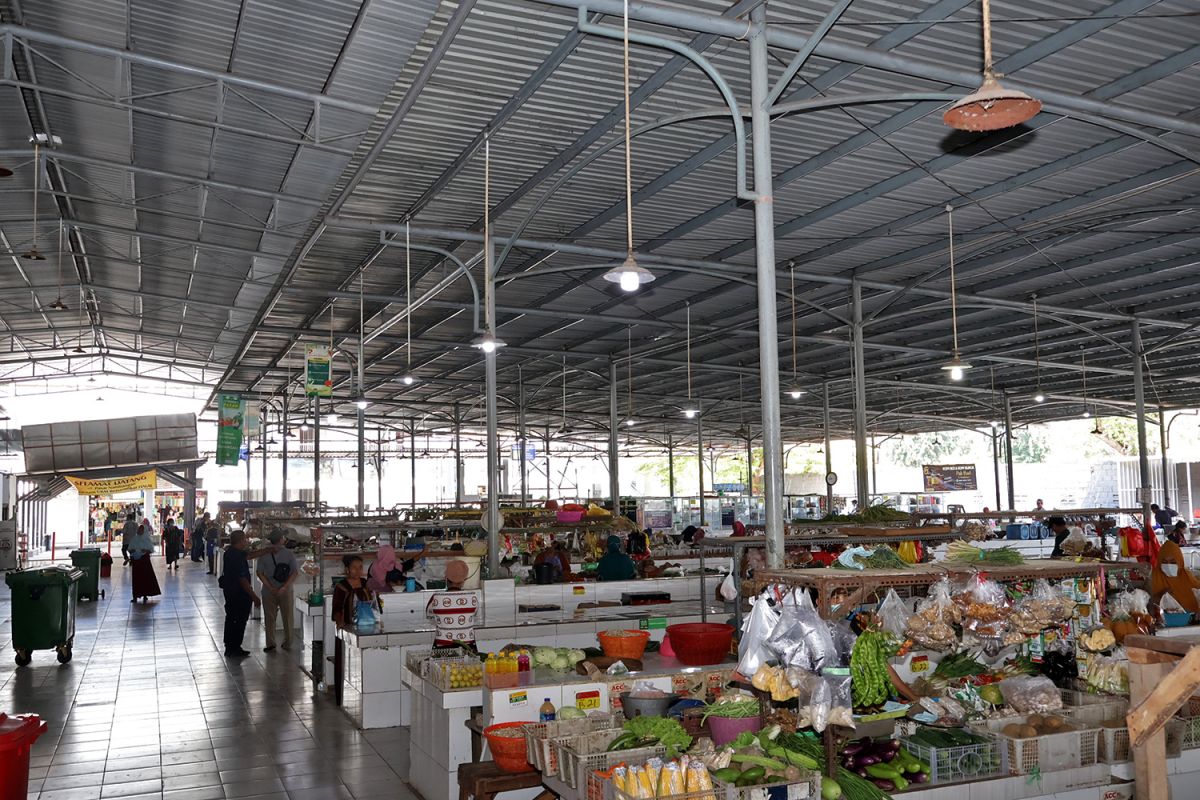
The government needs to encourage market digitalisation through online product promotion training and by building traders’ capacity to make use of technology.
Jakarta (ANTARA) - Adhitya Wardhono PhD, an economist at the University of Jember, believes digitalisation is one of the keys to transforming traditional markets so they can survive and compete amid the rapid expansion of modern retail chains and e-commerce platforms.
In Adhitya’s view, digitalisation is not intended to change the character of traditional markets, but rather to strengthen their competitiveness as consumer behaviour increasingly prioritises convenience and speed of transactions.
“The main support can be provided through digital training and better business record-keeping, because much of it is still done manually. Traders also need assistance so they can use non-cash payments and market their products through online channels such as QRIS,” Adhitya told ANTARA on Friday.
He said traditional markets play a major role in supporting small traders and absorbing local products. In this regard, the government needs to encourage market digitalisation through training in online product promotion, as well as improving traders’ capacity to make use of technology.
These efforts, he argued, would keep markets relevant to the times, broaden their consumer reach and improve business efficiency.
Beyond digital transformation, the government also needs to keep traders’ operating costs competitive by making rents, levies and distribution more efficient. That way, traditional markets can maintain their advantage in offering affordable prices while providing services that increasingly match consumer needs.
On the other hand, Adhitya said the revitalisation of traditional markets could deliver a major economic impact, as it boosts transaction activity and strengthens the circulation of money in the regions. A more orderly market, in his view, would attract more consumers and increase traders’ turnover.
He also stressed that revitalisation is not merely about physical improvements; people’s purchasing power also needs to be strengthened through higher incomes and food price controls.
“That is why revitalisation should not simply be about making markets look better. Going forward, the government needs to ensure that transactions increase and the economic benefits are felt by both traders and the public,” he said.
Adhitya emphasised that what needs to be improved in future revitalisation efforts is governance once construction is completed, along with continued assistance for traders. His main recommendation is to make traditional markets part of regional economic development strategy, rather than merely objects of renovation.
Evaluation, he added, should not only count the number of markets renovated, but should also look at changes in visitor numbers and traders’ turnover, so that markets remain a space for people to do business and a driver of the local economy.