
Obesity Increases Risk of Reproductive Disorders in Women
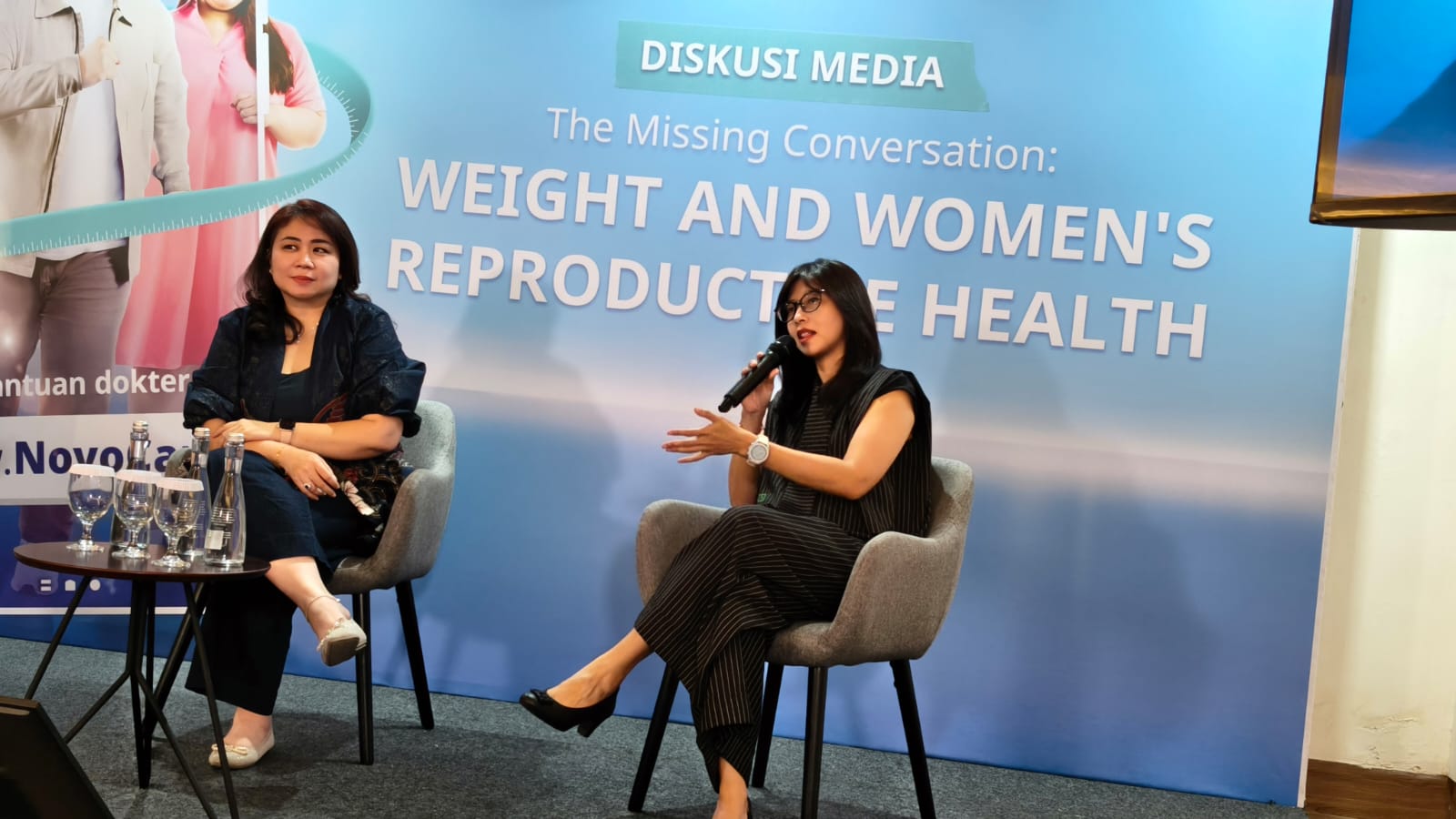
Obesity does not only increase the risk of metabolic and cardiovascular diseases, but also impacts women’s reproductive health. This condition can trigger menstrual cycle disturbances, ovulation issues, infertility, and pregnancy complications, necessitating comprehensive science-based treatment.
This issue was raised during a media discussion titled ‘The Missing Conversation: Weight and Women’s Health’ organised by Novo Nordisk Indonesia. The discussion highlighted the importance of understanding the impact of obesity on women’s health across various life stages, including its link to hormonal and metabolic disorders such as Polycystic Metabolic Ovarian Syndrome (PMOS).
Obstetric and gynaecology specialist, Dr Cynthia Agnes Susanto, stated that obesity is a chronic metabolic disease affecting various aspects of women’s health, ranging from metabolic and cardiovascular health to mental health and reproduction.
“Obesity can affect various aspects of health and reduce quality of life. In women, obesity not only increases the risk of cardiovascular disease and type 2 diabetes, but also poses risks of menstrual cycle disturbances, ovulation issues, infertility, and pregnancy complications. Therefore, obesity needs to be viewed as a chronic disease that requires comprehensive management based on medical evaluation,” she said.
OBESITY PREVALENCE
Data shows that the prevalence of obesity in Indonesia remains high. Approximately one in four adults lives with obesity. This figure is higher in women, at 36.4%, compared to men, which reaches 24.4%.
Cynthia explained that one condition closely linked to obesity is PMOS, previously known as Polycystic Ovary Syndrome (PCOS). The change in terminology reflects scientific progress showing that the disease does not only affect the ovaries but is also a complex endocrine and metabolic disorder.
According to her, PMOS is the most common cause of ovulation disorders. Approximately 35% to 50% of women with PMOS also experience obesity, which can exacerbate symptoms and increase the risk of reproductive and metabolic complications.
“In some women, obesity can worsen the symptoms and metabolic impacts of PMOS. Conversely, the hormonal and metabolic changes caused by PMOS also make weight management more challenging,” she noted.
As science advances, obesity management is now conducted through a multidisciplinary approach tailored to each patient’s condition. Management includes lifestyle changes, psychological support, pharmacological therapy based on medical indications, and bariatric surgery in certain cases.
One therapy currently available is the GLP-1 receptor agonist (GLP-1 RA), which works by regulating the mechanisms of hunger and satiety in the brain. This therapy can be administered based on medical evaluation as a supplement to lifestyle changes to assist in sustainable weight management.
IMPACT ON QUALITY OF LIFE
Associate Director of Medical and Regulatory at Novo Nordisk Indonesia, Riyanny Meisha Tarliman, emphasised that obesity cannot be viewed merely as an issue of appearance.
“Obesity is a health condition that can affect the quality of life of women at various stages of life. Women need accurate information so they can recognise the risks, seek medical help when necessary, and obtain appropriate treatment alongside healthcare professionals,” she said.
As part of educational efforts, Novo Nordisk Indonesia has introduced the NovoCare.id platform, which provides science-based information regarding obesity, ranging from Body Mass Index (BMI) calculators and risk factors to guides for consulting healthcare professionals.
Through this education, the company hopes that more women will understand obesity as a chronic disease that can be managed appropriately, thereby continuously improving long-term health and quality of life.
Source: jawawa.id (https://jawawa.id/newsitem/obesity-increases-risk-of-reproductive-disorders-in-women-1785433868)
Originally published by Media Indonesia (https://mediaindonesia.com/kesehatan/916706/obesitas-tingkatkan-risiko-gangguan-reproduksi-perempuan), translated from Indonesian