
Nvidia Blocks Indonesia, Threatening Data Centre Projects
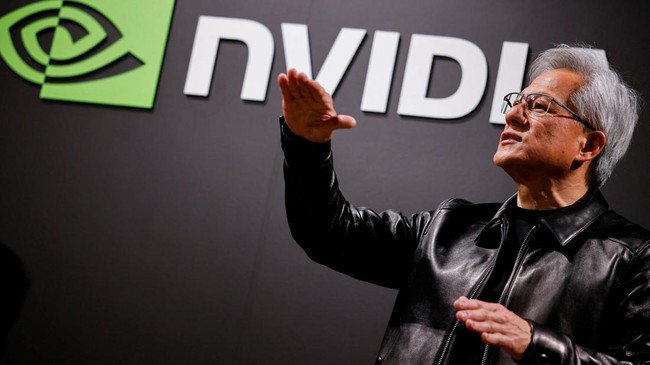
Jakarta — Indonesia’s ambition to build large-scale artificial intelligence (AI) data-centre infrastructure is facing a serious threat. US technology giant Nvidia has reportedly instructed its main manufacturing partners to freeze shipments of AI servers to Indonesia and three other South-east Asian countries: Malaysia, Singapore and Thailand.
According to a Financial Times report on Thursday (26 November 2026), global server manufacturers such as Dell Technologies and Super Micro Computer (Supermicro) have formally notified buyers in the four countries. They said Nvidia had strictly prohibited all pending hardware orders from leaving factories.
The move has dealt a blow to the boom in South-east Asia’s data-centre investment, worth billions of dollars. Indonesia and Malaysia are said to be the countries most affected, as global technology companies and institutional funds pour substantial sums into building hyperscale AI facilities there.
In response, Coordinating Minister for Economic Affairs Airlangga Hartarto said Indonesia was relatively safe from the threat of tighter restrictions on AI chip exports. He said Indonesia had secured a trade agreement framework with the US, the Article of Reciprocal Trade (ART), which also includes a digital clause.
“We have seen a joint report on semiconductors produced by the OECD and funded by the United States. Indonesia’s position with the US is relatively safe because we already have the ART, which also contains a digital clause,” Airlangga said in Jakarta on Thursday (26 November 2026).
Airlangga added that Indonesia’s position was clear to Washington: Nvidia semiconductors shipped to the country were used solely to develop domestic data centres and were not re-exported.
“Furthermore, we do not re-export semiconductors. Our position is clear: Nvidia semiconductors are used for domestic data-centre requirements, not resold abroad. The US has been concerned about transshipment — chips entering one country and then being sent on to another — as in the Megaspeed case,” he said.
90-day deadline sparks business turmoil
New Washington rules require cloud service providers in South-east Asia to obtain export licences within a tight 90-day deadline and demonstrate that no prohibited Chinese entities are among their customers.
“There are these new rules, but no implementation guidance. No one knows how to apply for these licences while the 90-day countdown continues. It has caused total chaos in the region,” said an executive at an affected regional cloud provider.
The shipment freeze has already begun to derail major business deals. Singapore-based cloud company Aolani, which was finalising a contract to supply computing capacity to TikTok parent ByteDance, found that banks had withheld a US$500 million credit facility, bringing the deal close to collapse.
Although Jensen Huang’s return to the chief executive role this week briefly raised hopes that the company might soften its stance, suppliers say Nvidia is instead acting aggressively to comply with US government directives. As a result, digital infrastructure construction and data-centre projects in Indonesia are left in limbo, with hardware supplies uncertain.
Nvidia declined to comment on the reported restrictions. Dell, Supermicro, ByteDance and Aolani had not responded to the Financial Times’ requests for comment.
Source: jawawa.id (https://jawawa.id/newsitem/nvidia-blocks-indonesia-threatening-data-centre-projects-1795690249)
Originally published by CNBC Indonesia (https://www.cnbcindonesia.com/tech/20261126131015-37-788713/indonesia-diblokir-nvidia-proyek-data-center-terancam-gagal), translated from Indonesian