
Nutritious Breakfast Programme with IHDC Youth and Alam Pangrango Pesantren
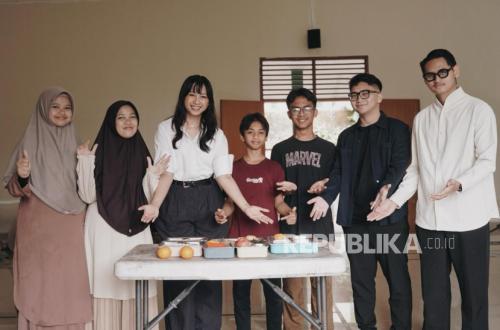
Students at Alam Pangrango Pesantren in Bogor participated in a nutritious breakfast programme organised by IHDC Youth. Held on Saturday, 30 May 2026, the initiative forms part of the youth organisation’s contribution to improving the nutritional quality of Indonesian children. The programme combines nutrition education with hands-on practice to help participants understand and adopt healthier eating habits in daily life. Alam Pangrango Pesantren was chosen as the initial site due to its potential to integrate nutrition education with comprehensive learning experiences. Working alongside the students, IHDC Youth utilised the pesantren’s harvests as part of lessons on food, nutrition, and healthy eating patterns. Eriq Moeloek, IHDC Youth’s chairman, stressed that nutrition is a crucial factor in supporting children’s growth and the future quality of Indonesia’s generation. The organisation welcomed national efforts to improve nutrition quality and aims to contribute through community-focused initiatives. ‘We welcome national efforts to improve nutrition quality. As a youth organisation, we aim to contribute through initiatives closely tied to daily life. Through the Nutritious Breakfast programme, we hope to encourage healthier eating habits from an early age,’ Eriq Moeloek stated in a statement on Sunday, 31 May 2026. The Nutritious Breakfast programme adheres to the ‘Balanced Nutrition Guidelines’ and applies the ‘My Plate’ principle as a practical guide for daily meal planning. Participants were introduced to the importance of consuming diverse and balanced meals to support children’s and adolescents’ growth, health, and learning abilities. The programme was developed in collaboration with nutritionist Elsa Hilman-Jenie, who was involved from the outset in shaping the nutrition education concept. Alongside balanced nutrition, the activities covered food hygiene and sanitation, including the six-step handwashing technique, food preparation cleanliness, and the importance of one-way kitchen flow to prevent cross-contamination. ‘Through this programme, we aim to introduce balanced nutrition principles into daily practice. Besides understanding balanced meal composition, the students are also taught habits that support food safety and everyday health,’ Elsa Hilman-Jenie said. During activities, participants used the pesantren’s harvests such as cassava, chayote, water spinach, and long beans as part of the prepared meals. This farm-to-table approach helps participants understand the journey of food from cultivation to daily consumption.