
Nutritionist says free nutritious meals key to preventing non-communicable diseases
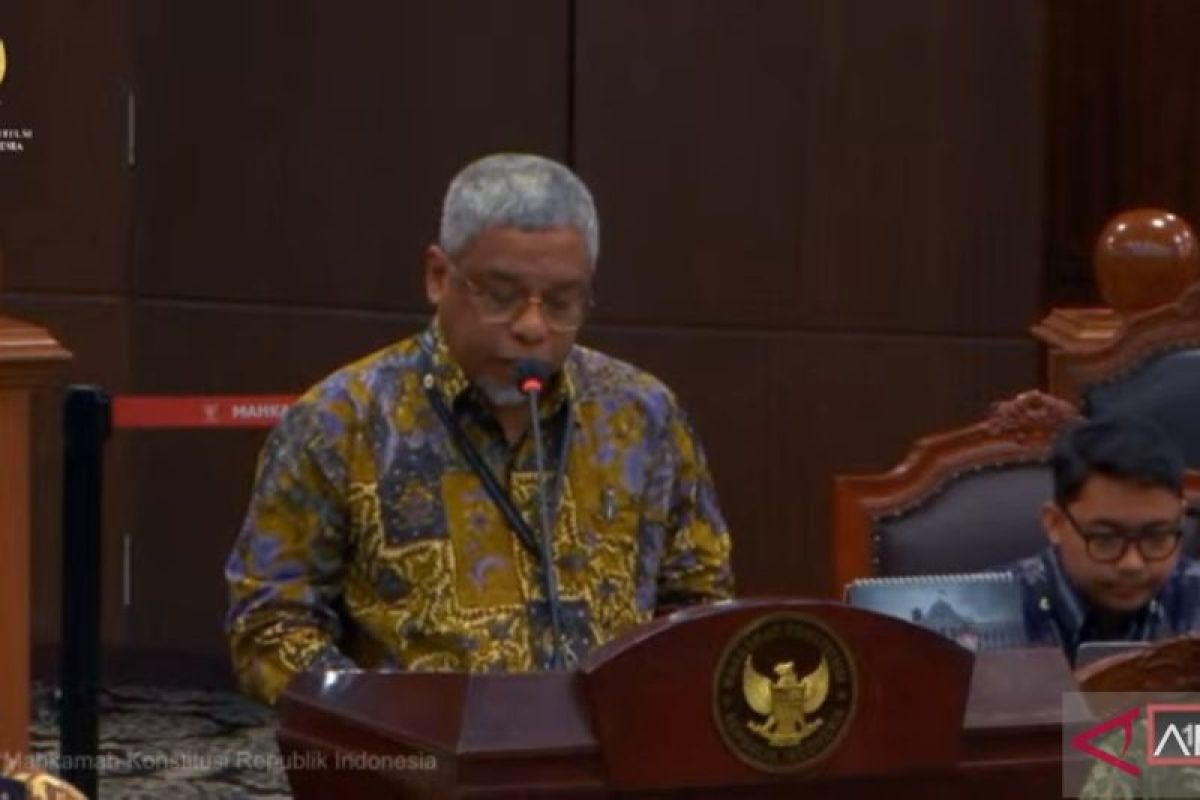
Nutritionist Dr Doddy Izwardy has stated that the Free Nutritious Meals (MBG) programme is not only aimed at meeting children’s nutritional needs but also serves as an instrument for preventing non-communicable diseases (NCDs) from school age. Speaking during a judicial review hearing of Law Number 17 of 2025 at the Constitutional Court in Jakarta on Wednesday, Doddy said Indonesia is still facing a double burden of malnutrition among school-age children, namely stunting and overweight or obesity, both of which carry a risk of triggering NCDs later in life. “The policy implication in this case is that schoolchildren interventions are positioned as a nutrition and NCD prevention agenda. This is the emphasis we are conveying,” he said. Doddy, who is also the General Chair of the Indonesian Nutritionists Association (Persagi), appeared as a government expert in the hearings for cases Number 40/PUU-XXIV/2026, Number 52/PUU-XXIV/2026, and Number 55/PUU-XXIV/2026, which are reviewing provisions regarding the placement of the MBG programme within the education budget of the 2026 State Budget. According to him, nutritional deficiencies can hinder the development of brain structure and function, affecting children’s learning ability, concentration, memory, and academic achievement. Based on data from the Indonesian Health Survey and Basic Health Research (Riskesdas), the prevalence of stunting in the 5–12 age group is recorded at 23.6 per cent, while overweight and obesity stand at around 20 per cent. “This has the potential to become non-communicable diseases,” he said. Beyond nutritional issues, schoolchildren also face low levels of physical activity, suboptimal clean living behaviours, and high consumption of foods and beverages high in sugar, salt, and fat. He noted that the 16-month implementation of the MBG programme has shown an increase in fruit and vegetable consumption among schoolchildren, while also helping to promote healthier eating patterns. According to Doddy, the current health challenge for schoolchildren is not only undernutrition but also high exposure to unhealthy foods that could increase the risk of NCDs in the future. “School nutrition programmes should not be positioned merely as food or meal assistance, but as a cross-sectoral investment in human capital,” Doddy said.