
Nutritional literacy behind the Free Nutritious Meal programme
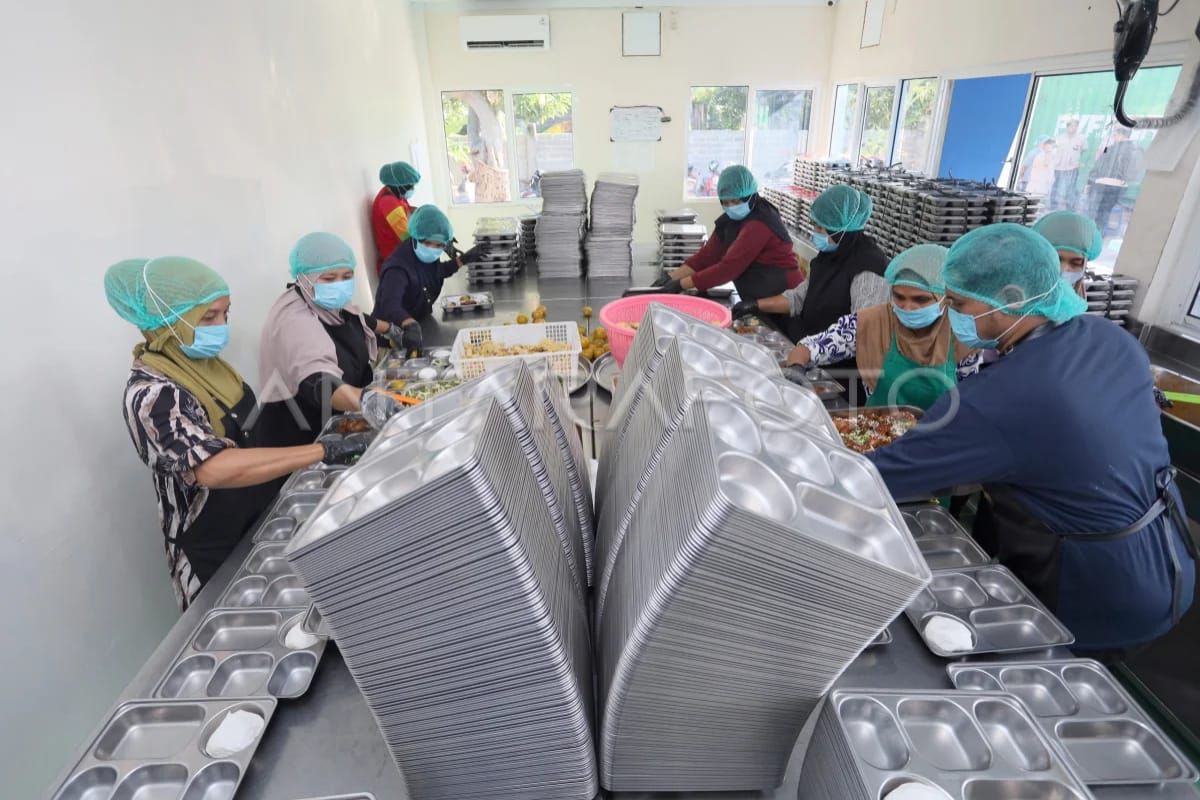
Jakarta (ANTARA) - Instilling an understanding in children that eating is about more than just feeling full is an effort that must be integrated into the Free Nutritious Meal (MBG) programme agenda.
This is because the programme is not merely about distributing food; within a plate of food and a glass of drink, there are requirements for growth, learning, building immunity, and forming eating habits that can last into adulthood.
Therefore, the decision by the National Nutrition Agency (BGN) not to use condensed milk in the MBG menu is an act of healthy food literacy.
This policy can serve as a momentum to strengthen public nutritional literacy, particularly in understanding the difference between foods that provide energy and foods capable of meeting nutritional needs in a more balanced manner.
The policy was decided during a coordination meeting of the BGN with the Coordinating Ministry for Food, the Ministry of Agriculture, the Ministry of Health, the Ministry of Industry, the Indonesian Food and Drug Authority (BPOM), as well as industry associations and milk cooperatives.
The BGN subsequently emphasised that milk products, milk-based drinks, flavoured milk drinks, and condensed milk will not be used in the MBG menu. This decision is vital for meeting the programme’s nutritional standards, rather than being a judgement that such food products should not be consumed at all.
In fact, healthy food education is currently an urgent necessity. This is especially true as every food product has different characteristics, contents, functions, and methods of consumption. The awareness to use a product according to its intended purpose is part of the nutritional literacy that needs to be continuously strengthened.
Technically, condensed milk is made by removing part of the water from a milk mixture and adding sugar until a certain level is reached.
According to BPOM regulations, condensed milk is used as a topping, accompaniment, or raw material in the processing of food and beverages. The product is not intended as a single nutritional beverage for children.
The issue does not lie solely with a specific product, but rather in how the public understands and consumes it.
The word “milk”, which for many years has been synonymous with nutritious food, can create the perception that every product using that term has the same function and nutritional content.
However, the public is now faced with increasingly diverse food choices. The ability to read labels, understand compositions, pay attention to sugar content, and recognise the function of a product is becoming an increasingly essential skill for families.