
Nutrition and Child Milk Education Must Be Sustainable to Prevent Toddlers from Consuming Condensed Milk
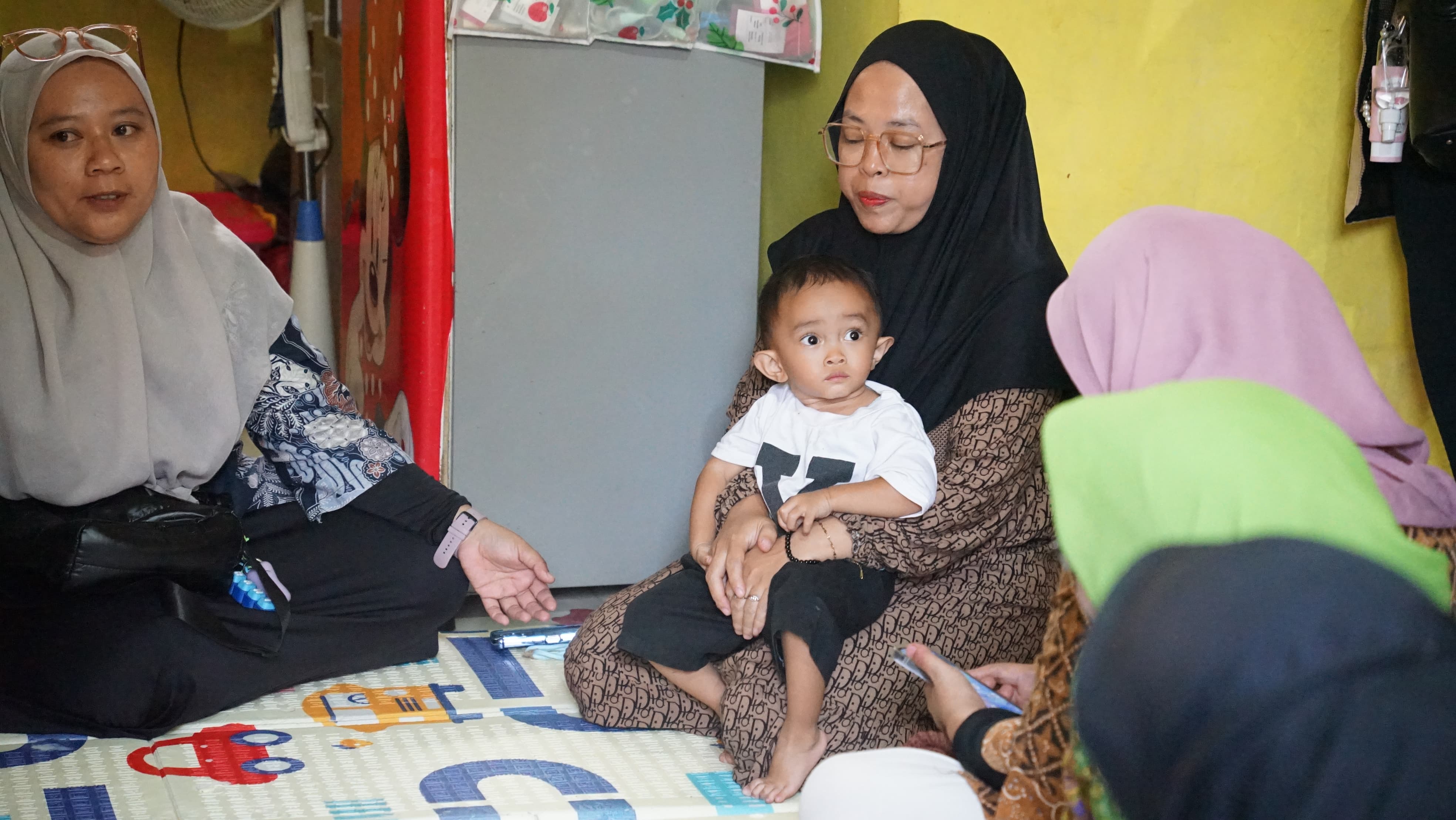
Nutritional and milk education for children must be carried out sustainably to ensure that toddlers no longer consume condensed milk as a beverage or a substitute for growth milk. This was stated by the Head of the Health Division of PP Muslimat NU, Erna Yulia Sofihara, during a meeting with the West Bandung Regency Government.
During the meeting, Erna emphasised Muslimat NU’s commitment to strengthening nutritional education through its cadres, which are spread down to the local branch level. With an organisational network reaching the grassroots level across Indonesia, Muslimat NU hopes its cadres can serve as the spearhead for nutritional education within families and the community.
The concern regarding the incorrect use of milk for children is well-founded, as condensed milk is still widely perceived as a nutritional product for children. This erroneous perception potentially encourages parents to provide condensed milk as a beverage or a replacement for growth milk. The government, through the Indonesian Food and Drug Authority (BPOM), has clarified that condensed milk is not intended to meet the nutritional and growth needs of children.
Field evidence supports these concerns. Ani Maryani, a resident of Pangauban Village, West Bandung Regency, admitted she once gave condensed milk to her child, believing it was a source of nutrition. She noted that her child developed eating difficulties, such as refusing main meals in favour of sweet or savoury foods, and showed no significant physical growth compared to their age.
This issue is widespread. A recent national survey by the Islamic University of Bandung (Unisba) revealed that 67.6% of the population still consumes condensed milk as a substitute for growth milk. Specifically in West Java, 25.8% of respondents admitted to providing condensed milk as a substitute, while 57.90% stated their children still consume it to this day.
Efforts to improve nutritional literacy cannot rely solely on healthcare workers. The younger generation plays a strategic role as agents of change, capable of spreading factual information through social media and community engagement, such as the Student Community Service (KKN) programme. Ahmad Nur Rasyidin, Head of KKN IKIP Siliwangi in Pangauban Village, noted that while some are aware of the risks, the information has not yet reached the wider community.
The Ministry of Health has also expressed concern over low nutritional literacy. Dr Lovely Daisy, Director of Family Health Services at the Ministry of Health, stated that many people still view condensed milk as a healthy drink for children. “This is a cause for concern, as there is minimal knowledge regarding complementary foods for breastfed infants. They believe condensed milk is healthy, whereas the actual milk content is very low and the sugar content is extremely high,” she concluded.
Source: jawawa.id (https://jawawa.id/newsitem/nutrition-and-child-milk-education-must-be-sustainable-to-prevent-toddlers-from-consuming-condensed-milk-1785667995)
Originally published by Media Indonesia (https://mediaindonesia.com/jabar/berita/917426/edukasi-gizi-dan-susu-anak-harus-berkelanjutan-cegah-balita-minum-kental-manis), translated from Indonesian